103Paleozoic
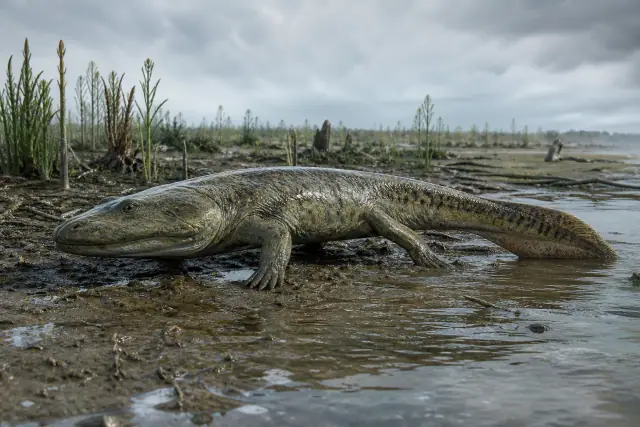
Ichthyostega
Ichthyostega stensioei
Weight-bearing limbs accompanied a fish-like tail in an animal still deeply tied to water.
LIFE ARCHIVE
Browse extinct life from traces nearly 1.9 billion years old to historically recorded extinctions.
Ichthyostega stensioei
Weight-bearing limbs accompanied a fish-like tail in an animal still deeply tied to water.
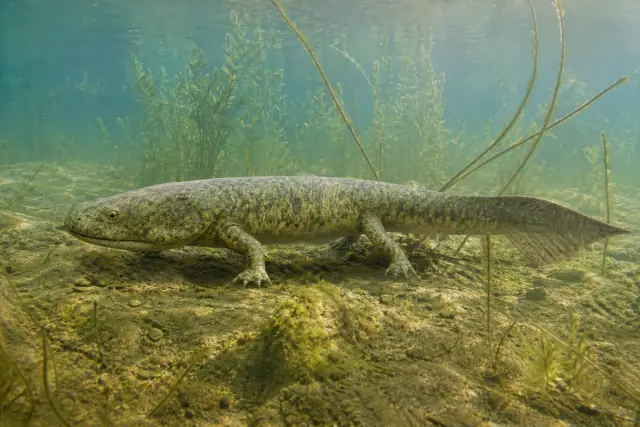
Acanthostega gunnari
Each forelimb carried eight digits, yet the animal was still mainly aquatic—digits evolved before true land walking.
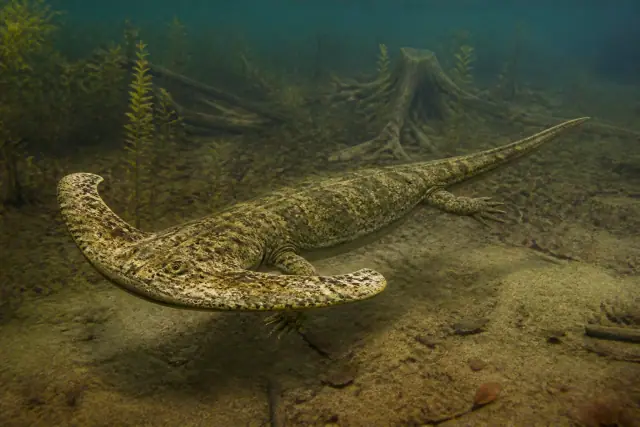
Diplocaulus magnicornis
Its skull spread sideways into a boomerang, perhaps producing lift in current or making it hard to swallow.
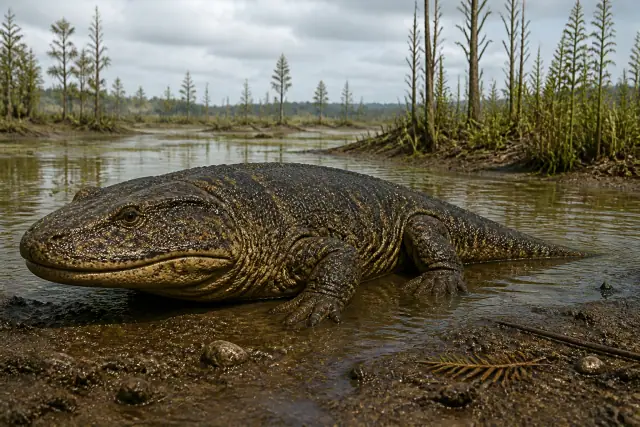
Eryops megacephalus
A broad, heavily sculpted skull and strong limbs carried its massive body through shallow water and onto banks.
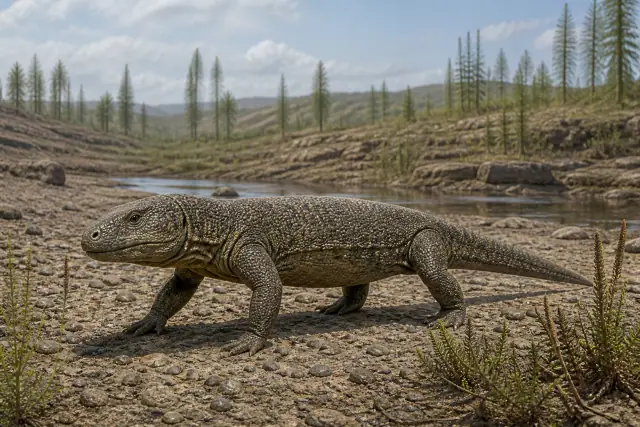
Seymouria baylorensis
Its adult skeleton looked reptile-like, yet it belonged just outside the fully land-breeding amniotes.
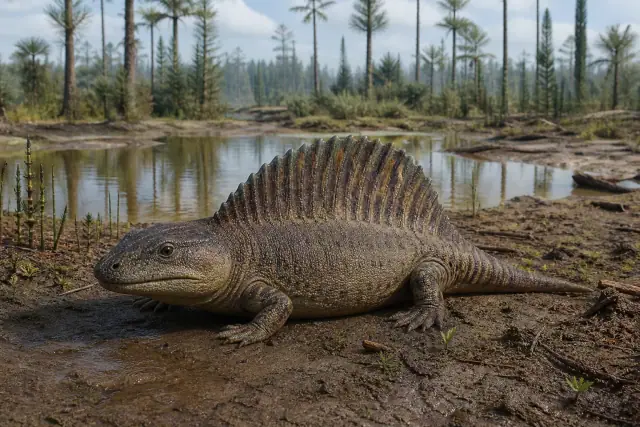
Platyhystrix rugosus
A high bony sail towered above the squat body and may have served display, recognition or heat exchange.
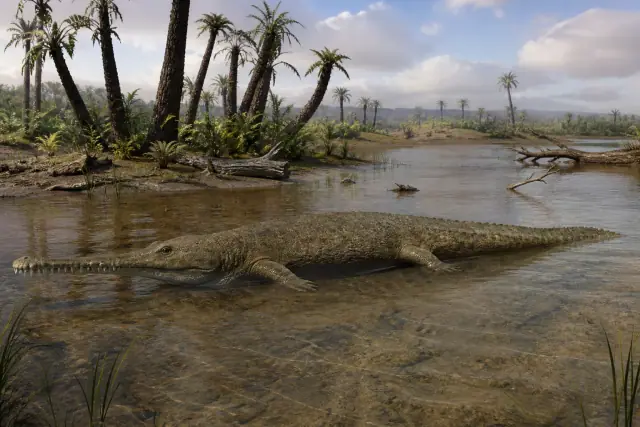
Prionosuchus plummeri
A giant Brazilian amphibian with a crocodile-like snout; its famous 9-metre length is a reconstruction from fragmentary fossils.
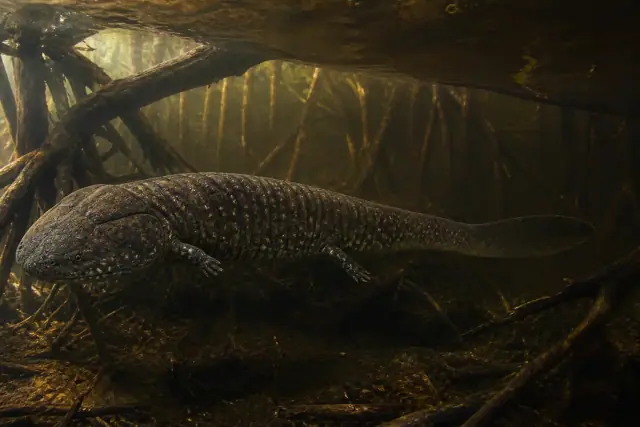
Crassigyrinus scoticus
Tiny limbs and strong jaws show an early tetrapod returning almost completely to water.
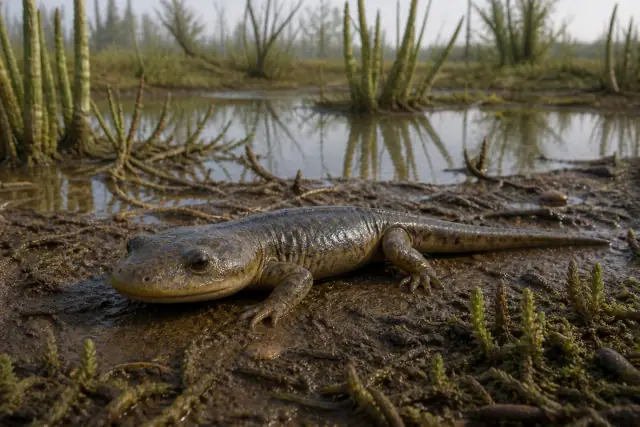
Gerobatrachus hottoni
A frog-like head and salamander-like tail combine traits near the origin of living amphibians.
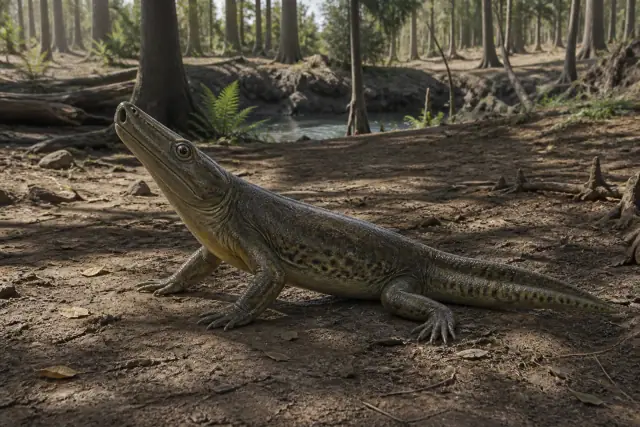
Fedexia striegeli
An elongated nostril region may reflect life in drier upland settings.
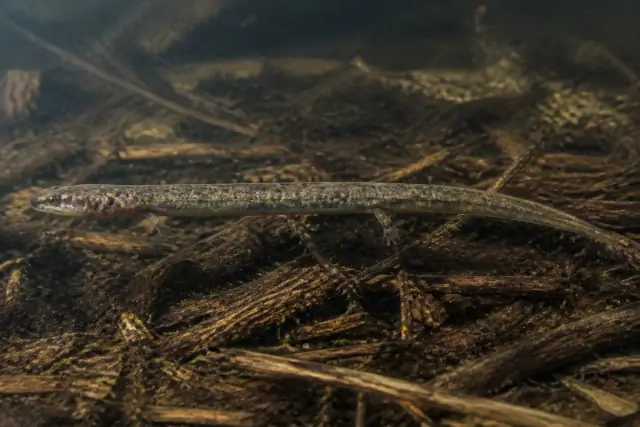
Microbrachis pelikani
More than forty trunk vertebrae formed a long body with extremely small limbs.
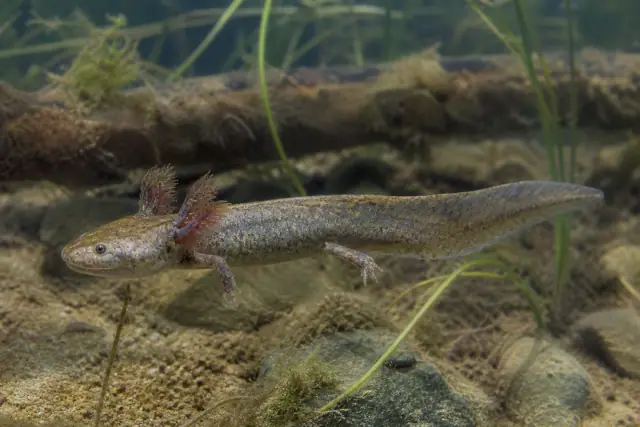
Branchiosaurus salamandroides
Adults retained external gills, extending a juvenile condition through life.
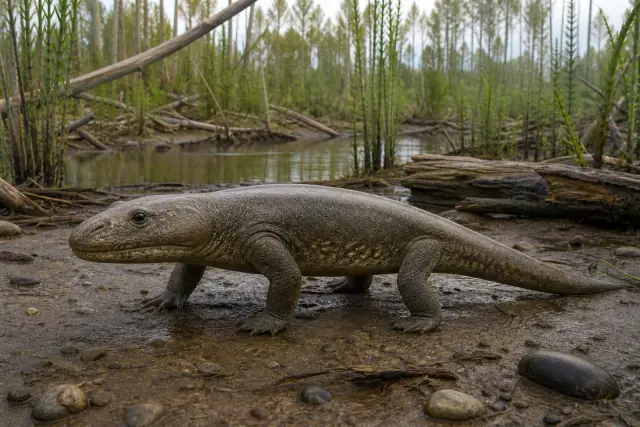
Pederpes finneyae
Forward-facing toes show an early tetrapod using a more effective terrestrial gait.
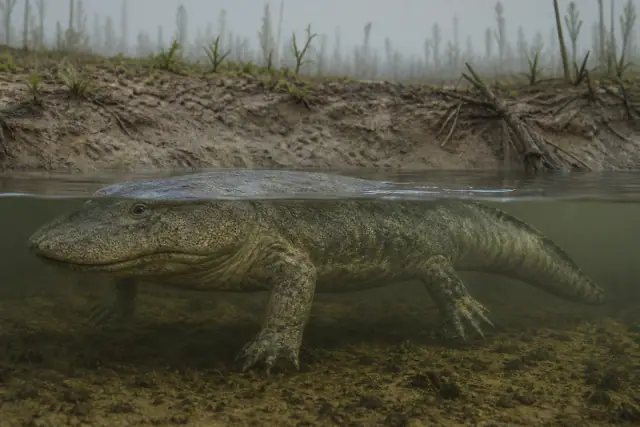
Whatcheeria deltae
A reinforced skull and fang-like teeth belonged to a powerful river predator.
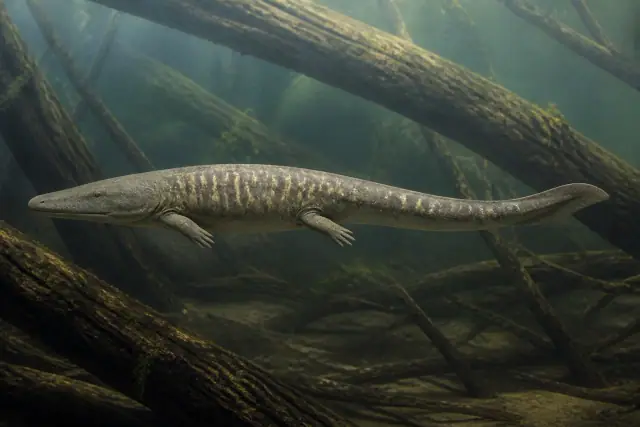
Greererpeton burkemorani
A long trunk and deep tail propelled it through murky water.
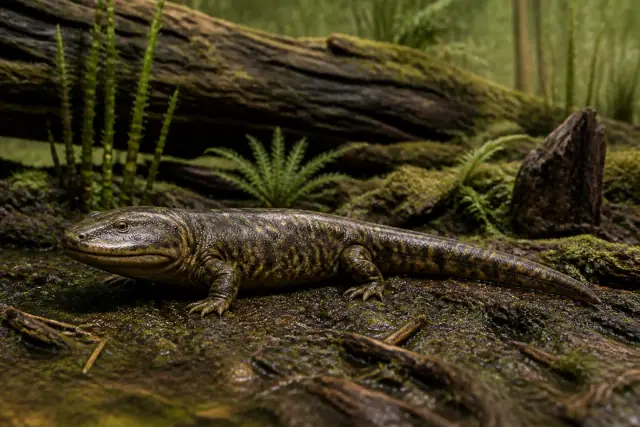
Balanerpeton woodi
The ear region and sturdy limbs suggest more terrestrial activity than in many contemporaries.
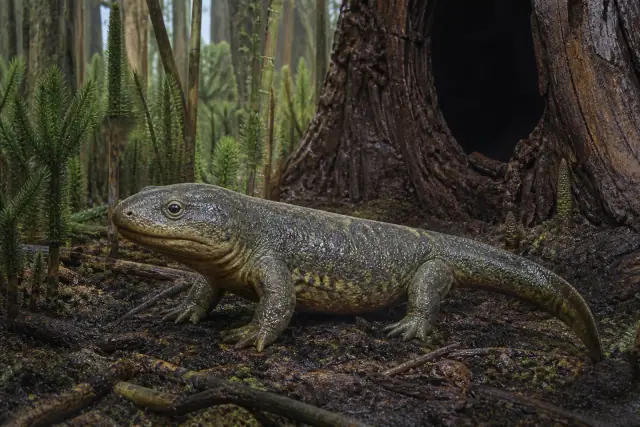
Dendrerpeton acadianum
Many individuals were entombed inside hollow tree stumps.
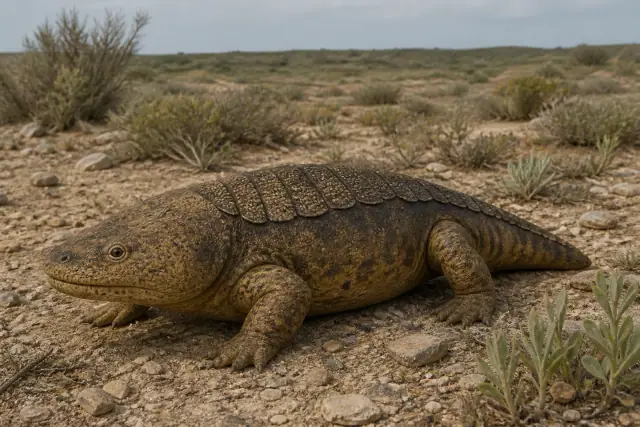
Cacops aspidephorus
A row of bony back plates reinforced this stocky terrestrial amphibian.
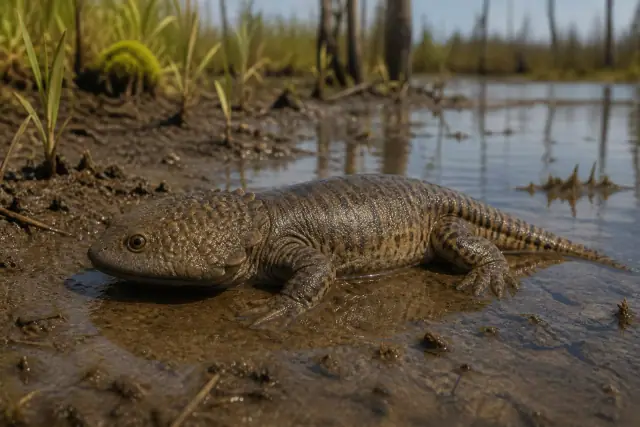
Zatrachys serratus
Its expanded skull margin bears bony projections; their function is unproven.
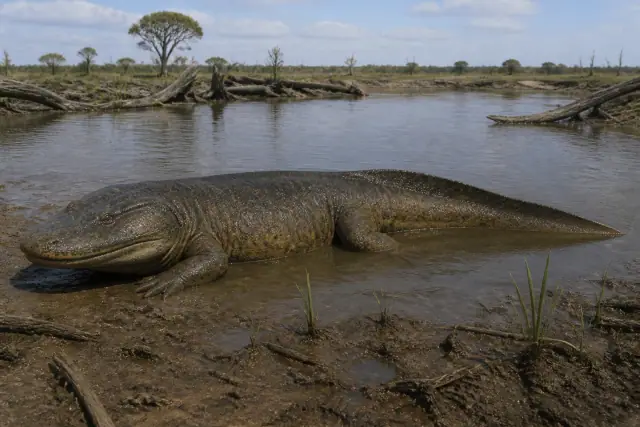
Rhinesuchus whaitsi
This broad-headed aquatic predator was common in southern Late Permian waters.
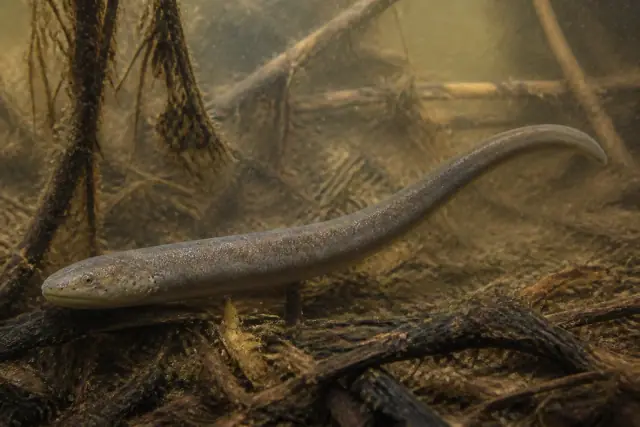
Adelospondylus watsoni
The limbs vanished entirely while the skull and spine retained tetrapod construction.
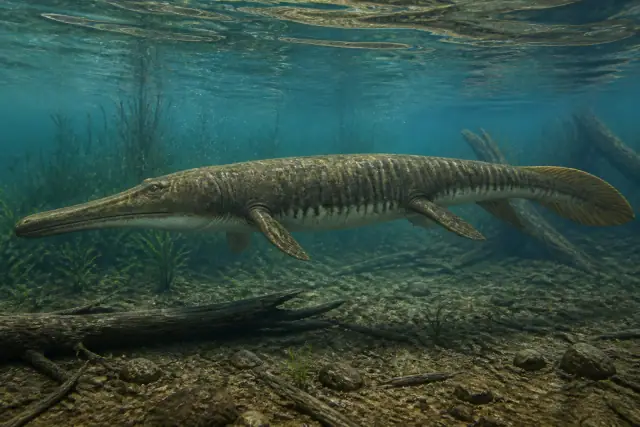
Archegosaurus decheni
A long snout, lateral-line grooves and weak limbs show permanent aquatic dependence.
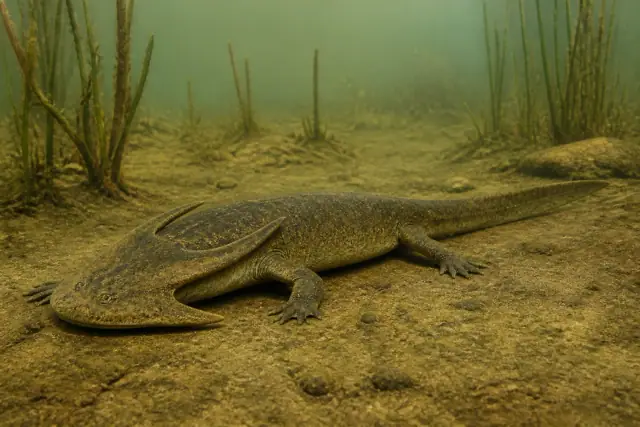
Diploceraspis burkei
Paired backward horns widened the skull of this small diplocaulid.
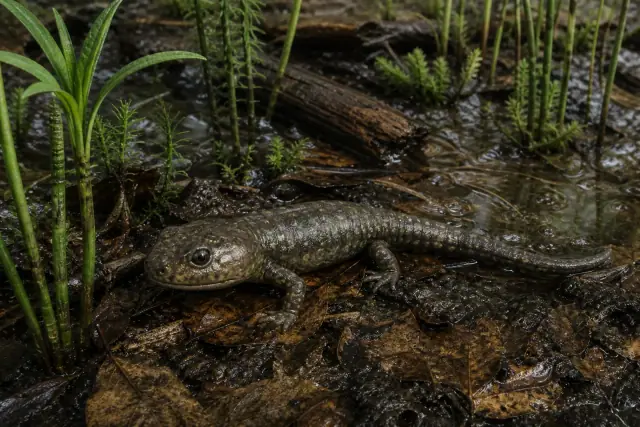
Amphibamus grandiceps
A small light body combined traits near the ancestry of modern amphibians.
Explore the atlas by continent, country and state. Follow fossil localities into regional guides, compare animals across time and return to the evidence in each species profile.
FIELD GUIDES
Giants, strange body plans and lives within human memory. Follow a question into the atlas, then explore the animals behind it.