483Paleozoic
Boltonocosta
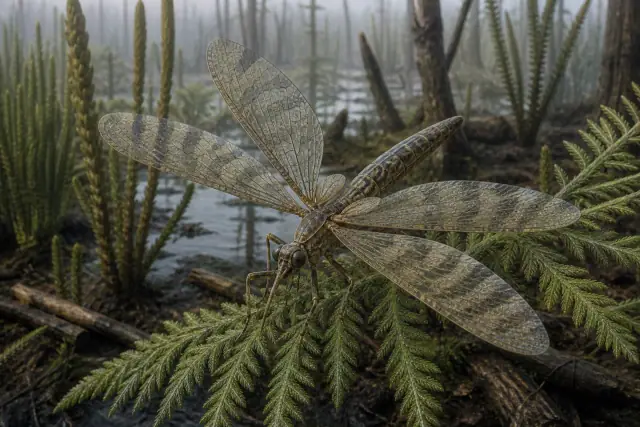
Boltonocosta elongata
A long piercing mouthpart and four patterned wings belonged to the vanished palaeodictyopterans.
LIFE ARCHIVE
Browse extinct life from traces nearly 1.9 billion years old to historically recorded extinctions.
Boltonocosta elongata
A long piercing mouthpart and four patterned wings belonged to the vanished palaeodictyopterans.
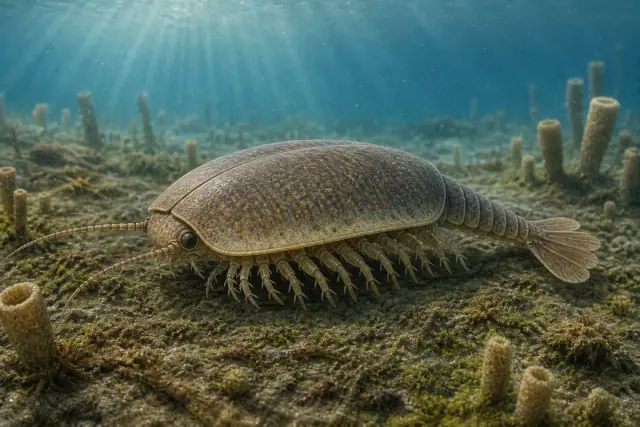
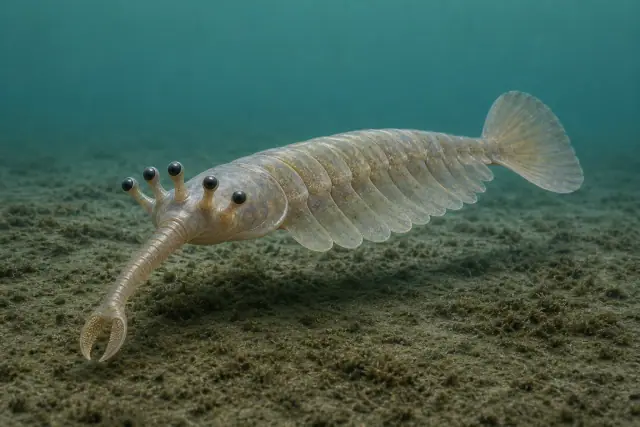
Canadaspis perfecta
Two broad valves enclosed a segmented body while antennae, limbs and a tail fan projected outside.
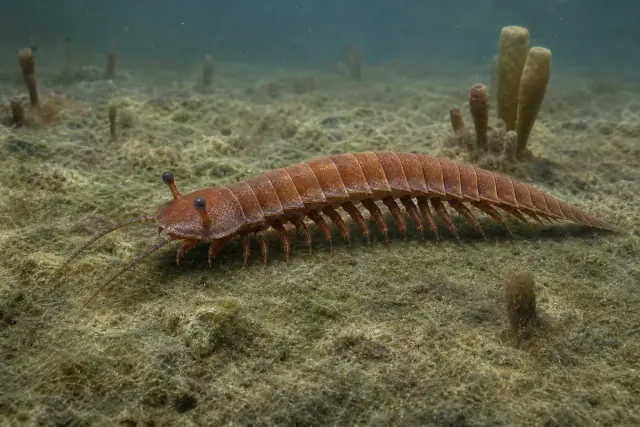
Fuxianhuia protensa
Its nervous, circulatory and limb anatomy makes it central to studies of early arthropod organization.
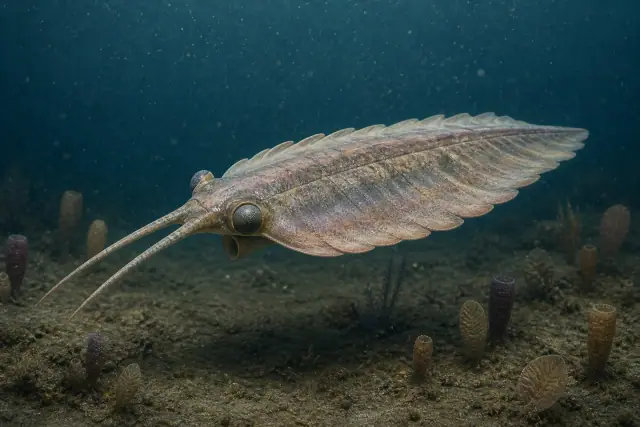
Nectocaris pteryx
Paired fins, a funnel and tentacle-like appendages form one of the Cambrian's most puzzling swimmers.
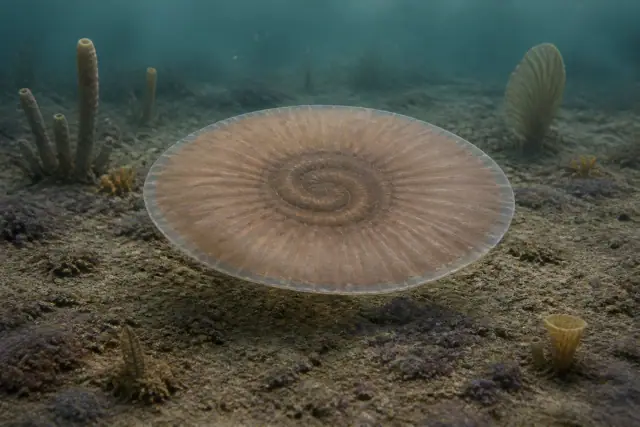
Eldonia ludwigi
A coiled gut lay inside a soft circular disc that may have drifted or lived near the bottom.
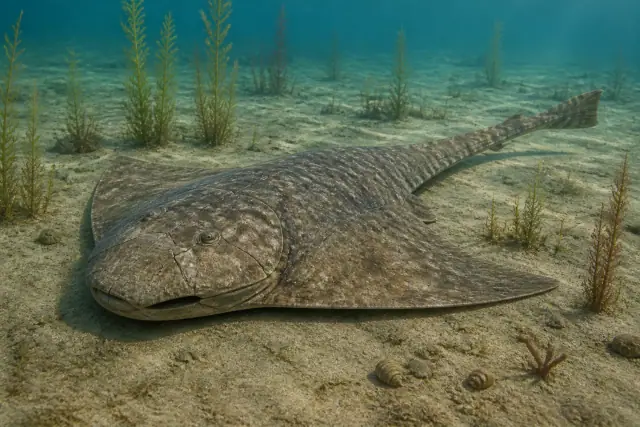
Gemuendina stuertzi
A broad flat placoderm independently converged on the body shape of a ray.
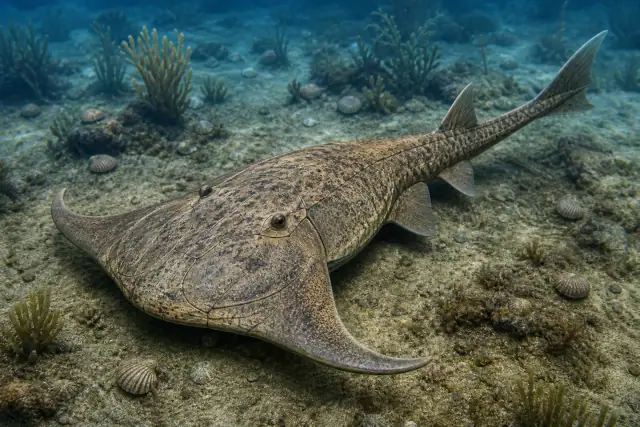
Lunaspis broilii
Crescent-shaped lateral horns widened the head armor of a small bottom-dwelling placoderm.
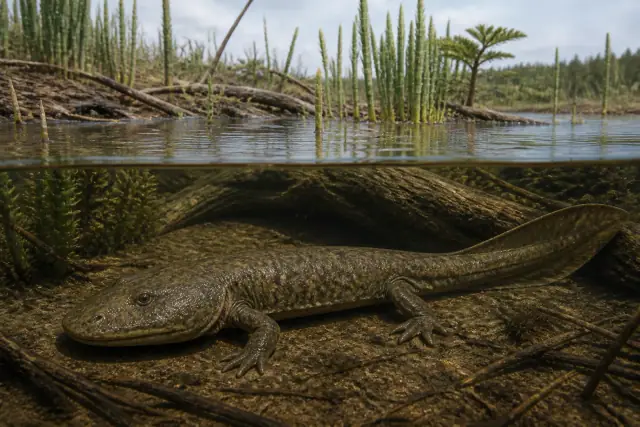
Trimerorhachis insignis
External gills and a long body show a temnospondyl that remained aquatic throughout life.
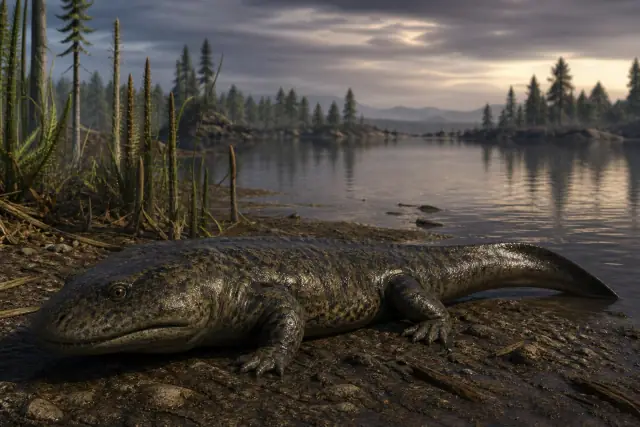
Sclerocephalus haeuseri
A broad head, strong trunk and compressed tail belonged to a large freshwater predator.
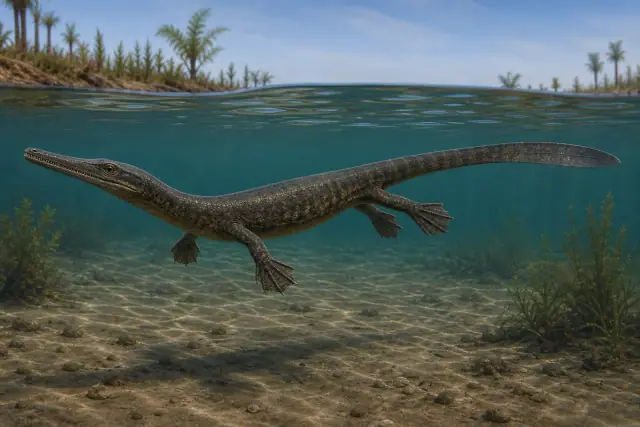
Mesosaurus tenuidens
Needle teeth and a flattened tail mark one of the earliest amniotes to return to water.
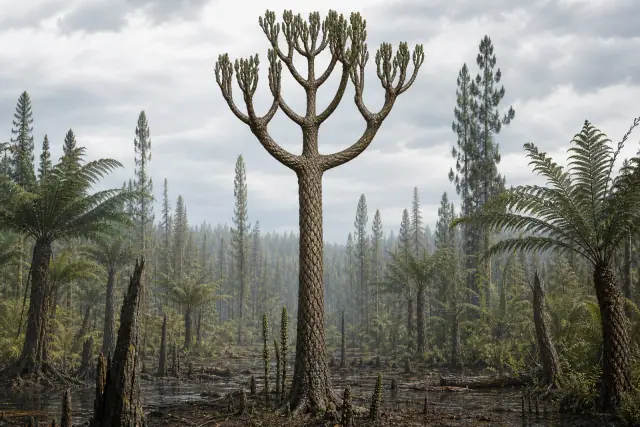
Lepidophloios laricinus
Diamond leaf cushions and a repeatedly forked crown marked a tall tree-sized lycopsid.
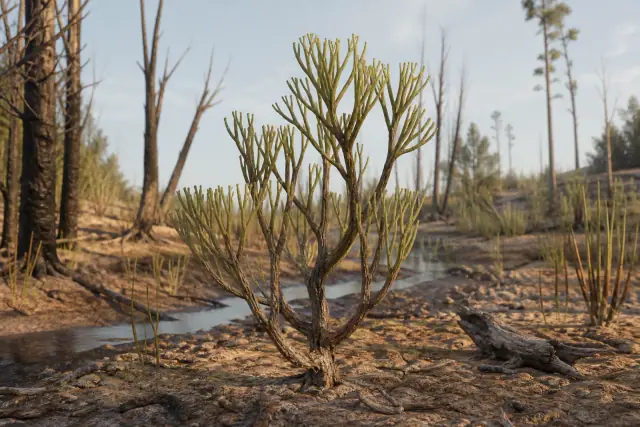
Dicranophyllum gallicum
Narrow leaves repeatedly forked at their tips on an extinct seed-plant relative.
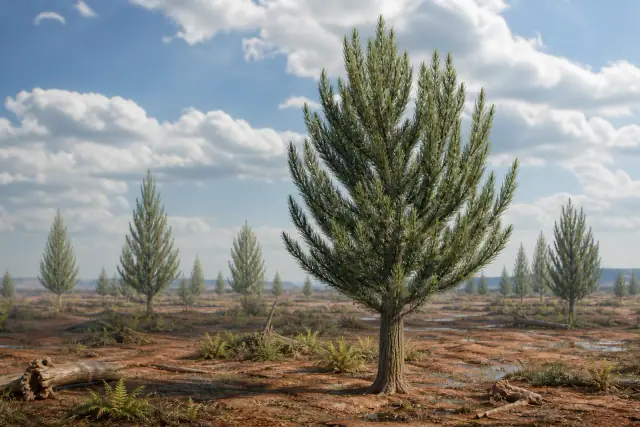
Walchia piniformis
Needle-like leaves crowded the shoots of an early conifer-like tree.
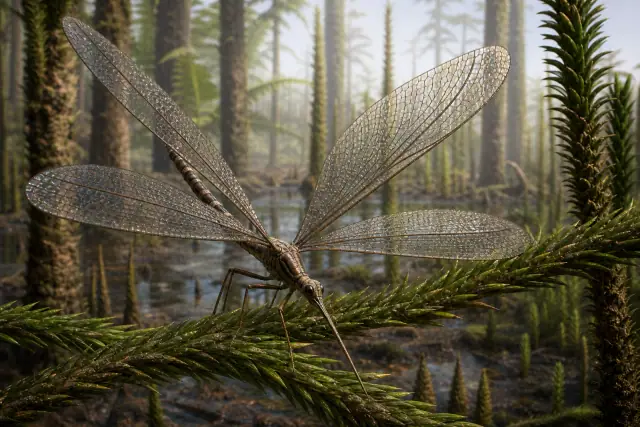
Lithoneura lameerei
Four broad net-veined wings belonged to the completely vanished palaeodictyopterans.
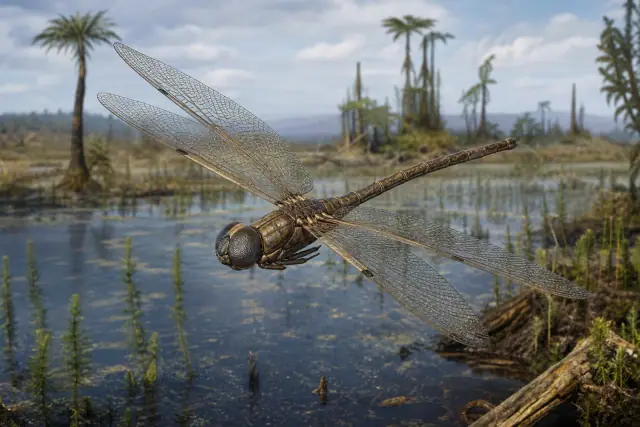
Eugeropteron lunatum
A basal odonatopteran retained a more primitive wing base than modern dragonflies.
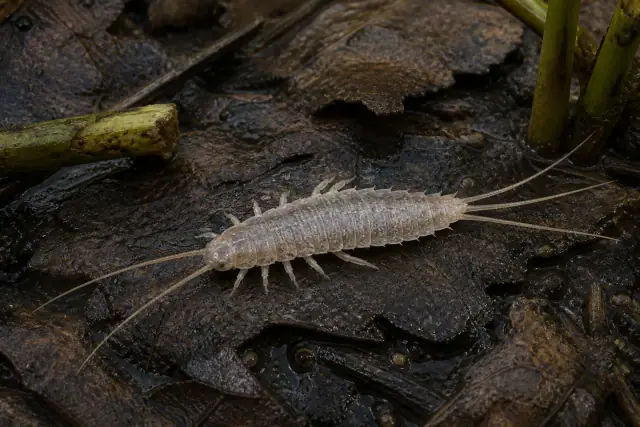
Carbotriplura kukalovae
A wingless body ended in three tail filaments and combined traits of early silverfish-like insects.
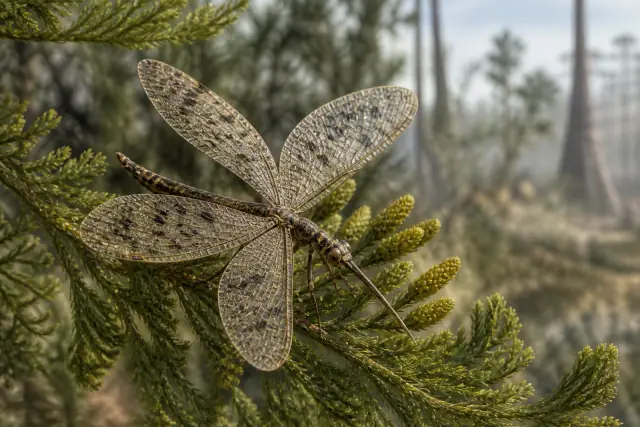
Tchirkovaea guttata
Spotted wings and fine venation record Permian palaeodictyopteran diversity.
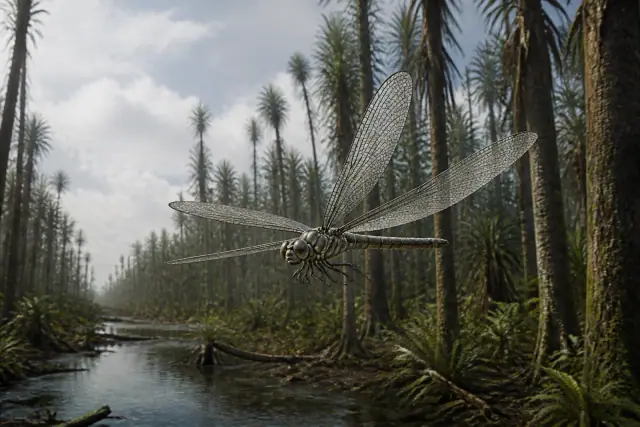
Brodioptera stricklani
Long transparent net-veined wings record an early radiation of large flying insects.
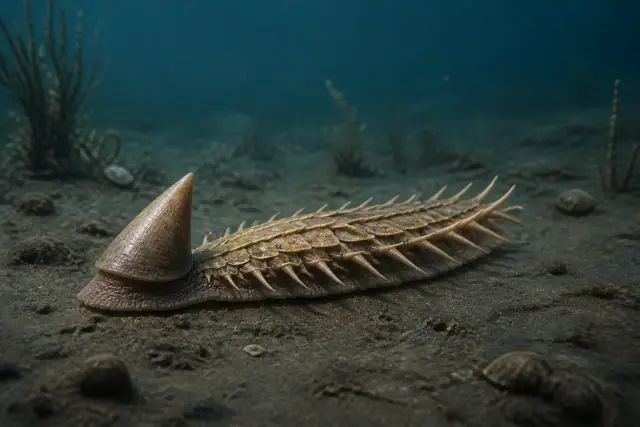
Orthrozanclus reburrus
Scales, long spines and a small front shell combined several Cambrian body plans.
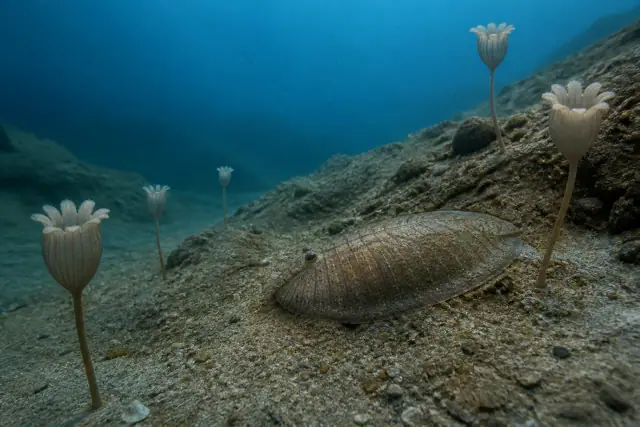
Dinomischus isolatus
A cup-shaped body attached by a long stalk and opened through a petal-ringed top.
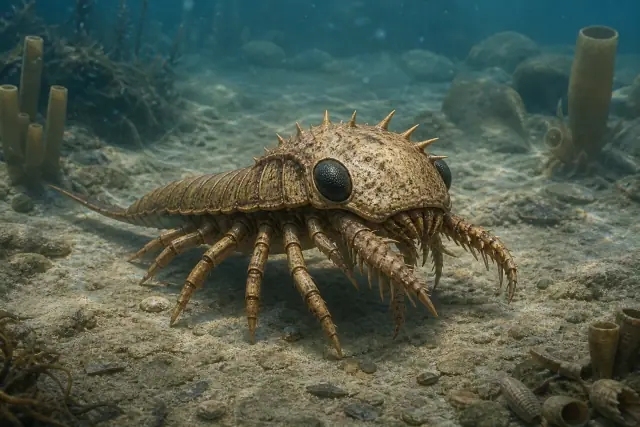
Habelia optata
A spiny head shield and specialized appendages belonged near the chelicerate stem.
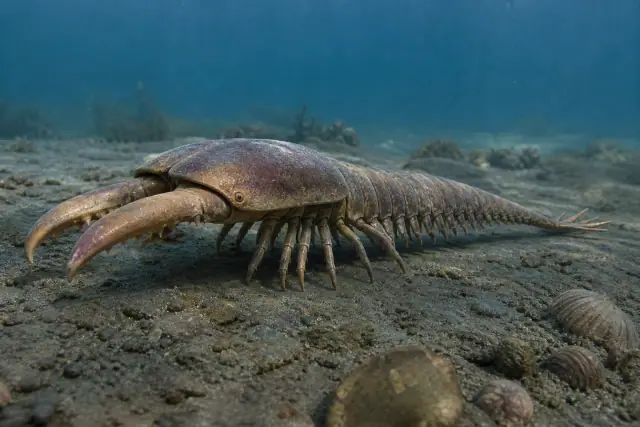
Tokummia katalepsis
Large pincer-like mandibles projected beneath a bivalved shell on an early mandibulate.
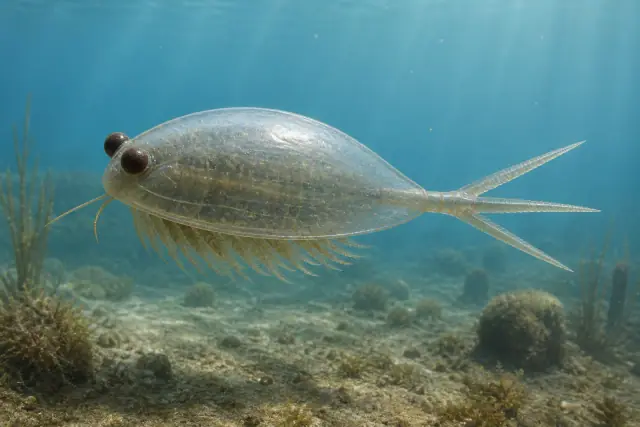
Odaraia alata
A broad bivalved shell enclosed most of the body and a three-pronged tail steered it.
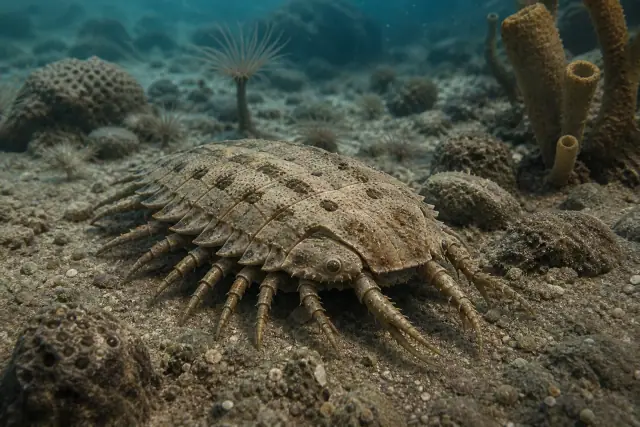
Mollisonia symmetrica
A tiny armored body and pincer-like front appendages suggest an early chelicerate relative.
Explore the atlas by continent, country and state. Follow fossil localities into regional guides, compare animals across time and return to the evidence in each species profile.
FIELD GUIDES
Giants, strange body plans and lives within human memory. Follow a question into the atlas, then explore the animals behind it.