377Mesozoic
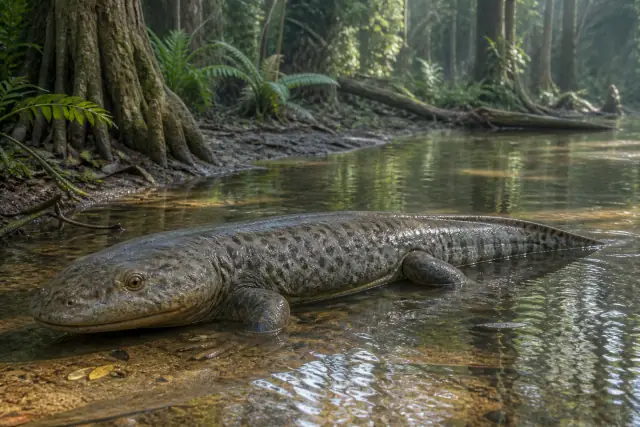
Paracyclotosaurus
Paracyclotosaurus davidi
A near-complete skeleton reveals the full proportions of a giant Triassic amphibian.
LIFE ARCHIVE
Browse extinct life from traces nearly 1.9 billion years old to historically recorded extinctions.
Paracyclotosaurus davidi
A near-complete skeleton reveals the full proportions of a giant Triassic amphibian.
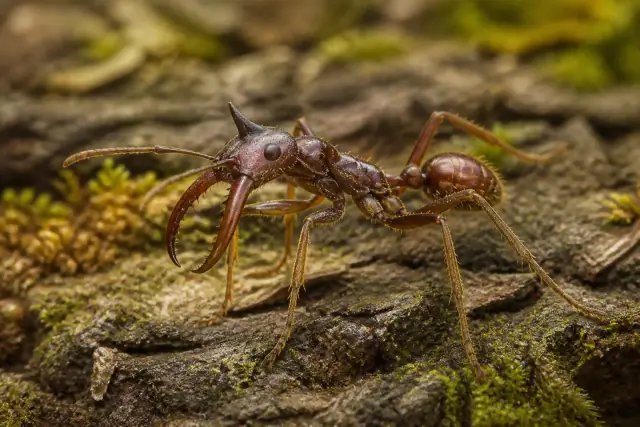
Haidomyrmex cerberus
Its sickle mandibles closed upward against the head instead of sideways.
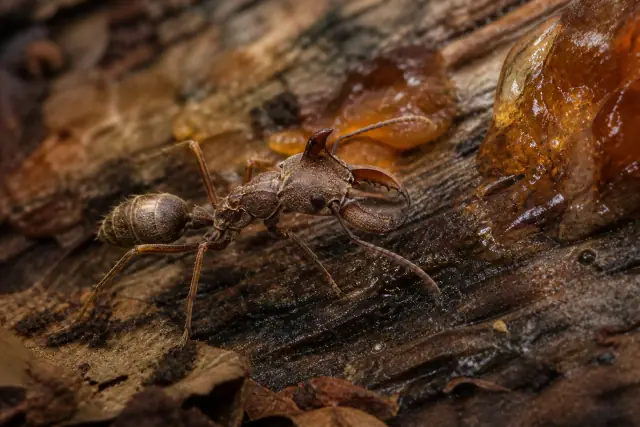
Linguamyrmex vladi
A metal-reinforced head horn and rising jaws formed a specialized clamp.
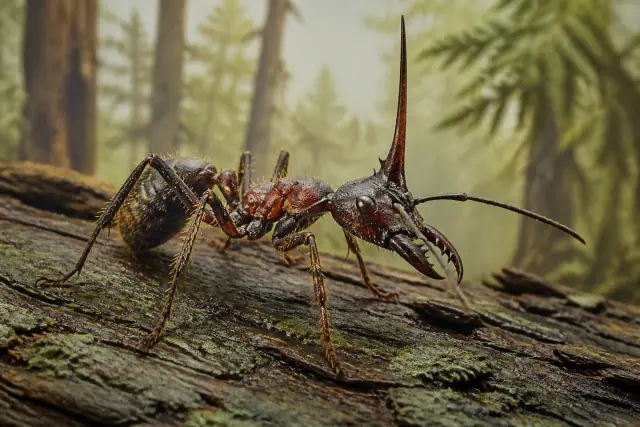
Ceratomyrmex ellenbergeri
A long forehead horn opposed upward-curving mandibles.
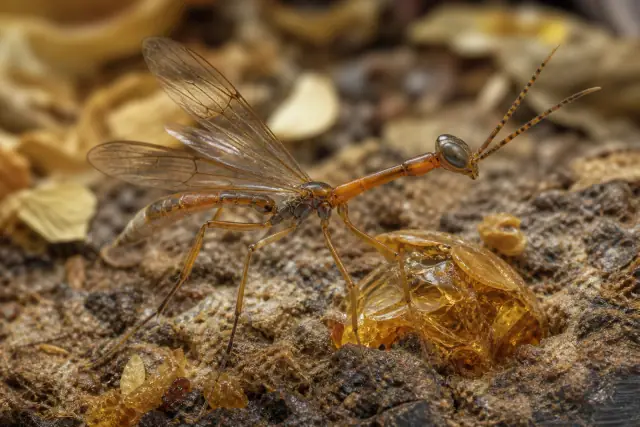
Camelomecia janovitzi
An elongated prothorax gave this aculeate relative a neck-like outline.
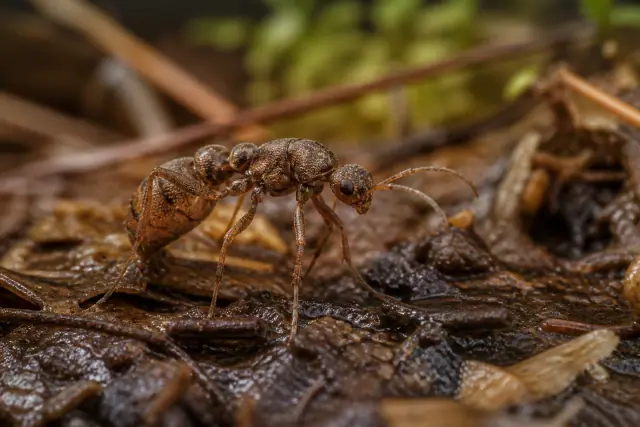
Aptenoperissus burmanicus
Wingless females combined a wasp waist with enlarged jumping hind legs.
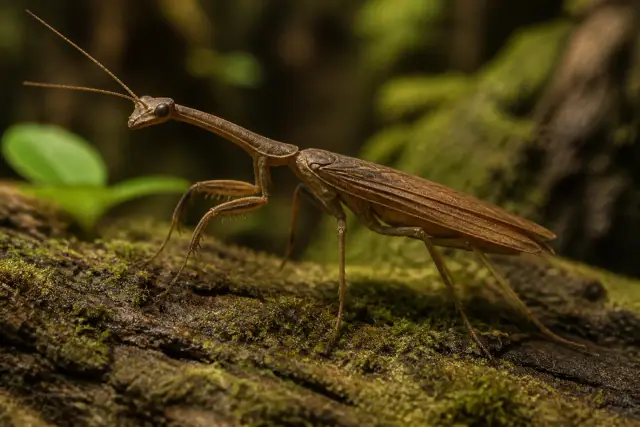
Manipulator modificaputis
A long neck and grasping forelegs converged on the mantis body plan.
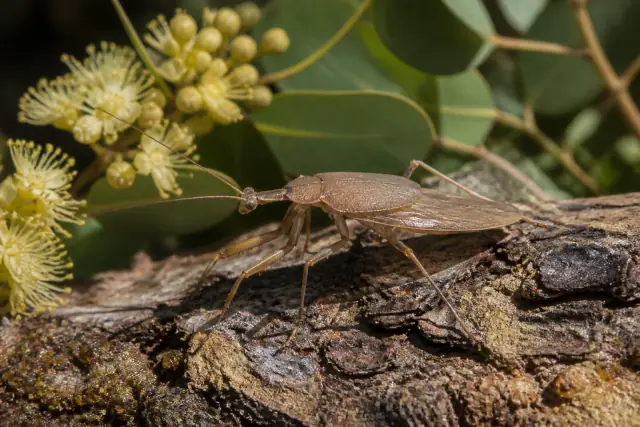
Alienopterus brachyelytrus
Short leathery forewings covered folded membranous hindwings.
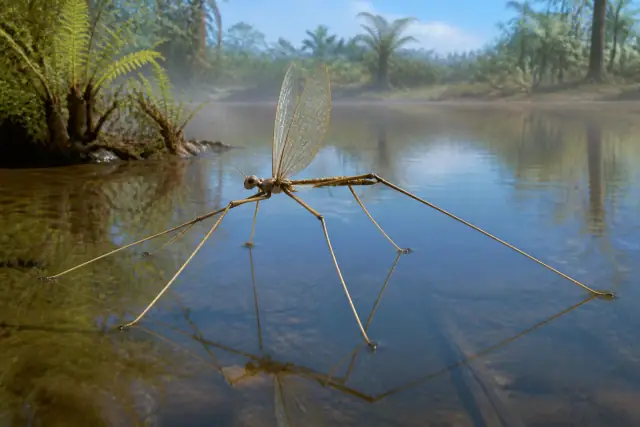
Chresmoda obscura
Six extremely long legs may have spread its weight across the water surface.
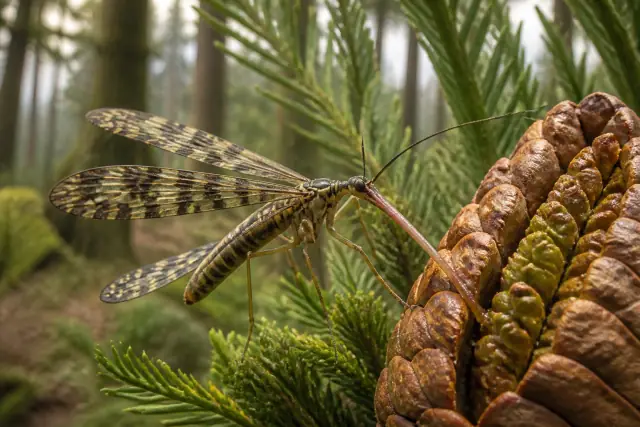
Mesopsyche dobrokhotovae
A long siphon accessed sugary secretions before flowers evolved.
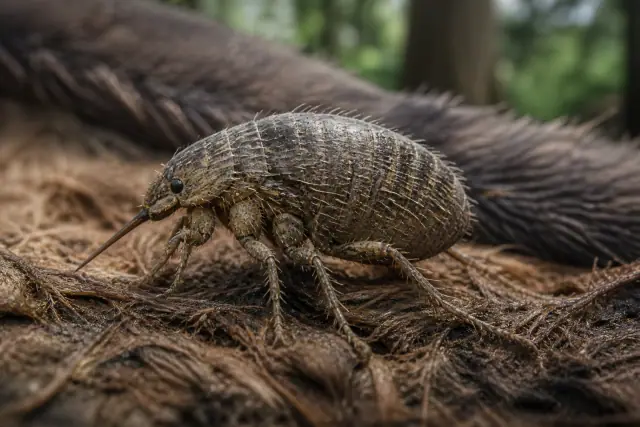
Tarwinia australis
It resembled a giant primitive flea but may not be a direct flea ancestor.
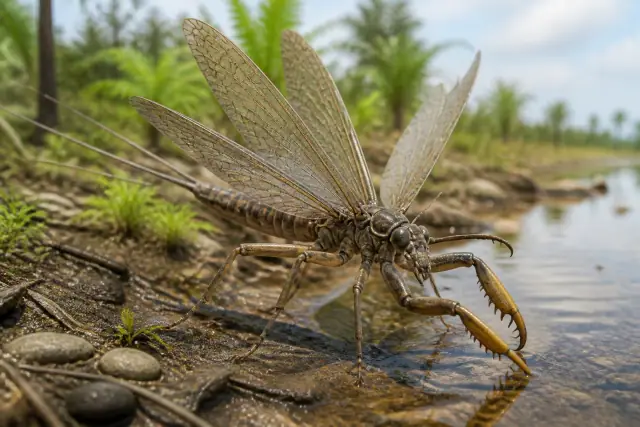
Mickoleitia longimanus
Raptorial forelegs and three tail filaments formed a lost mayfly body plan.
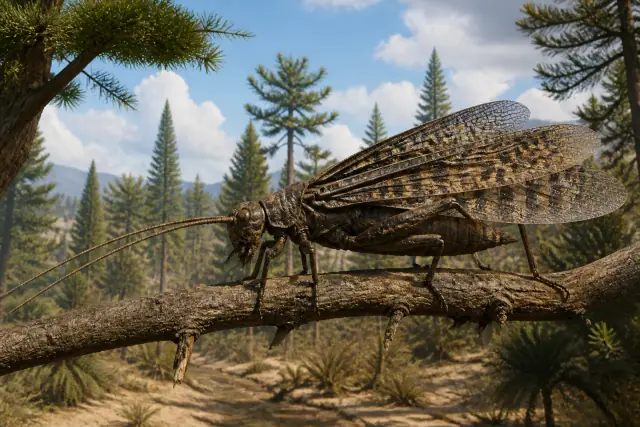
Mesotitan giganteus
Large wings and robust mouthparts belonged to the spectacular titanopterans.
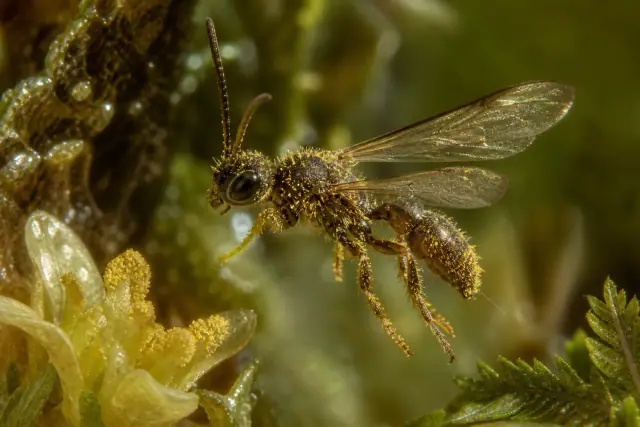
Discoscapa apicula
Pollen on the legs and body records an early pollination relationship.
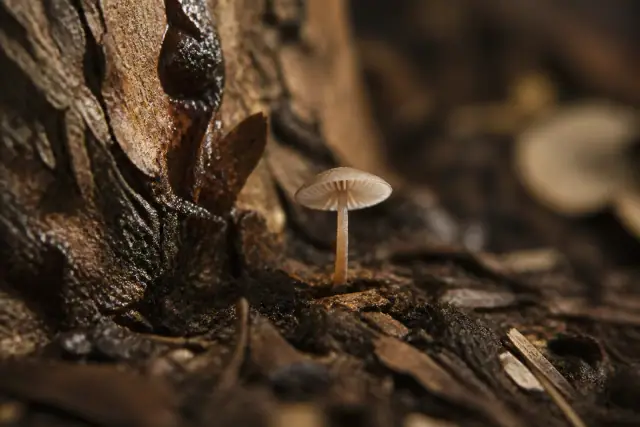
Palaeoagaracites antiquus
A millimeter-scale cap and gills show agaric mushrooms in the dinosaur era.
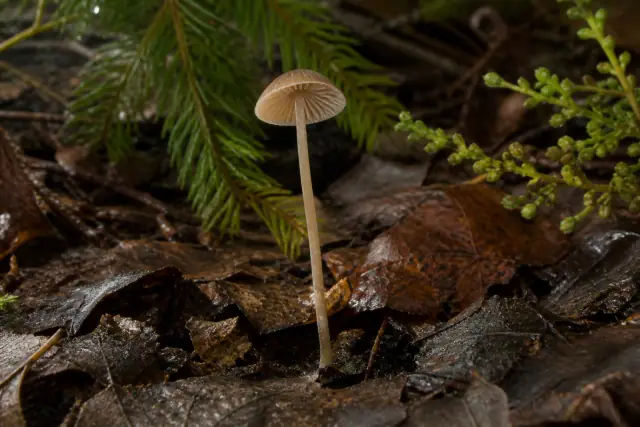
Archaeomarasmius leggettii
A slender stem and tiny cap already resembled marasmioid mushrooms.
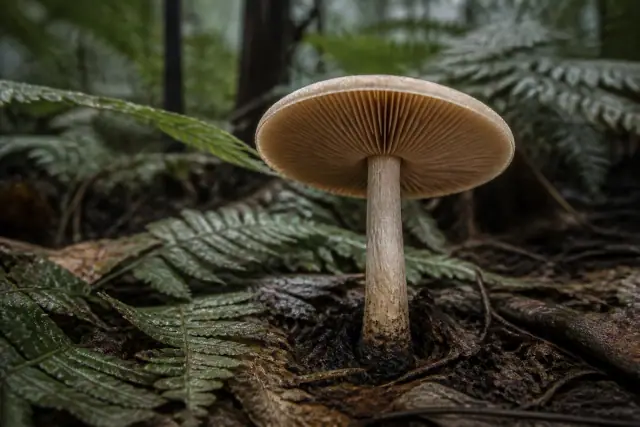
Gondwanagaricites magnificus
A mineralized cap brings early agaric evidence to the southern continents.
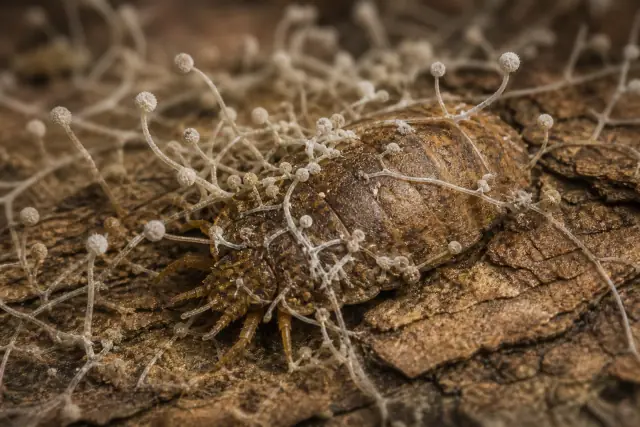
Gerontomyces lepidotus
Hyphae surrounding a scale insect preserve a tiny Cretaceous association.
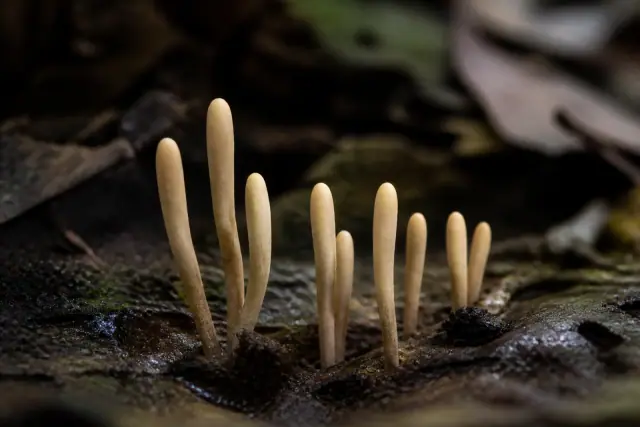
Palaeoclavaria burmitis
Simple club-shaped fruiting bodies show non-gilled fungi in Cretaceous forests.
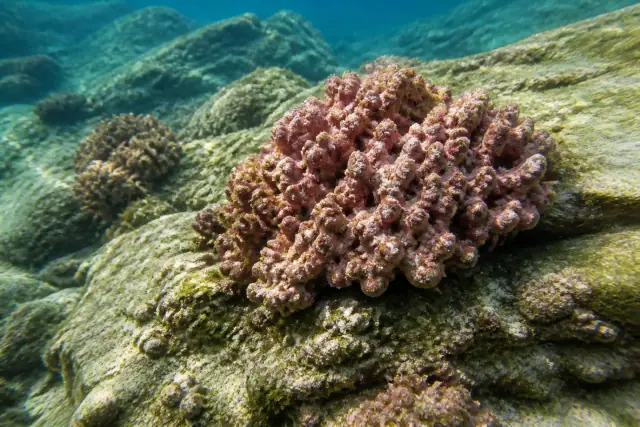
Solenopora jurassica
Pink calcified masses were long assigned to red algae, but their identity is being reassessed.
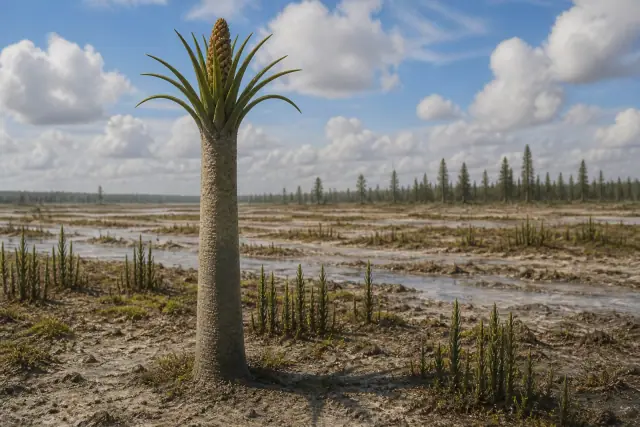
Pleuromeia sternbergii
Columnar lycophytes formed pioneer stands after the end-Permian catastrophe.
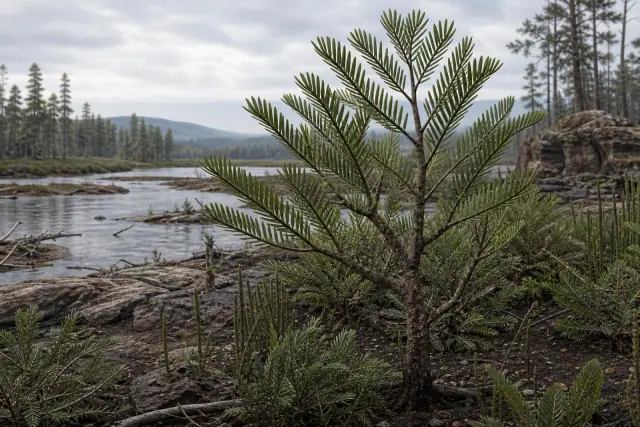
Dicroidium odontopteroides
Paired forked fronds became an emblem of Triassic southern vegetation.
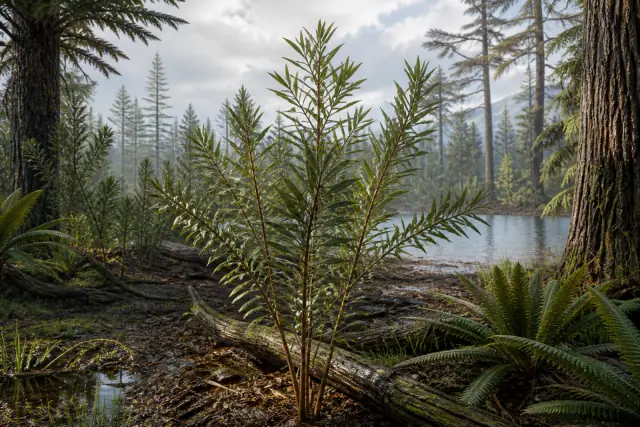
Podozamites lanceolatus
Orderly lance-shaped leaves lined stems of a widespread but enigmatic plant.
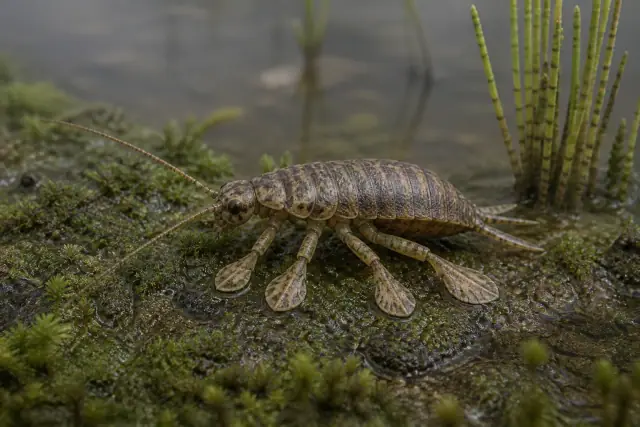
Strashila incredibilis
Once imagined as a parasite, it was later shown to have an aquatic juvenile stage.
Explore the atlas by continent, country and state. Follow fossil localities into regional guides, compare animals across time and return to the evidence in each species profile.
FIELD GUIDES
Giants, strange body plans and lives within human memory. Follow a question into the atlas, then explore the animals behind it.