275Mesozoic
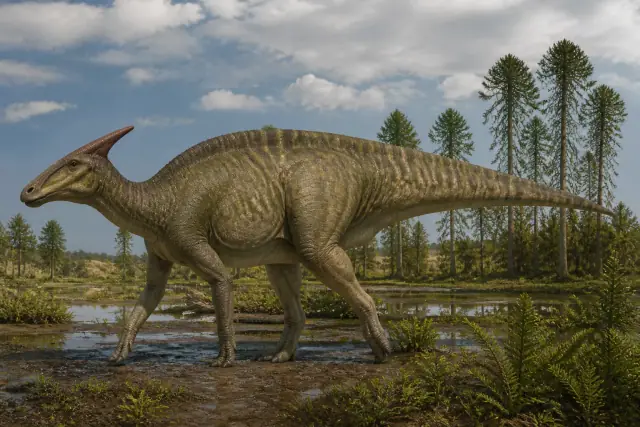
Saurolophus
Saurolophus osborni
A solid spike-like crest projected behind the skull and probably carried a strong visual signal.
LIFE ARCHIVE
Browse extinct life from traces nearly 1.9 billion years old to historically recorded extinctions.
Saurolophus osborni
A solid spike-like crest projected behind the skull and probably carried a strong visual signal.
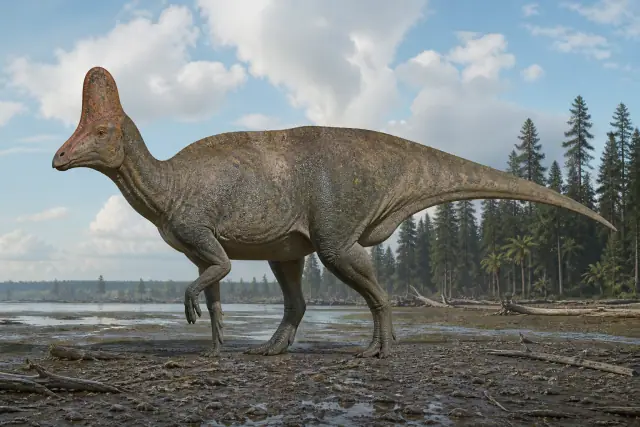
Corythosaurus casuarius
A helmet-shaped hollow crest contained looping nasal passages that could shape resonant calls.
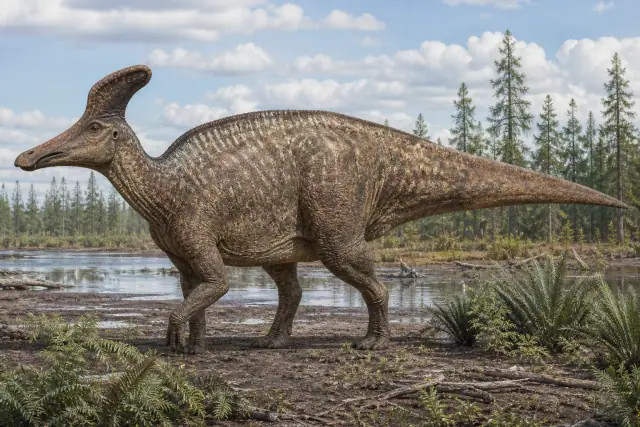
Lambeosaurus lambei
Its hatchet-shaped hollow crest changed dramatically as the animal matured.
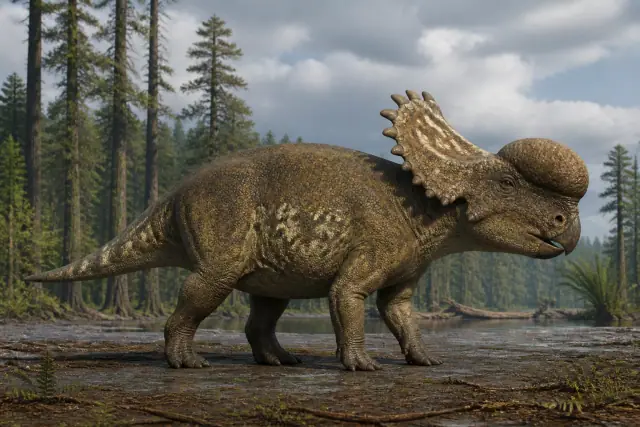
Pachyrhinosaurus canadensis
A massive nasal boss replaced the long horn seen in many ceratopsians.
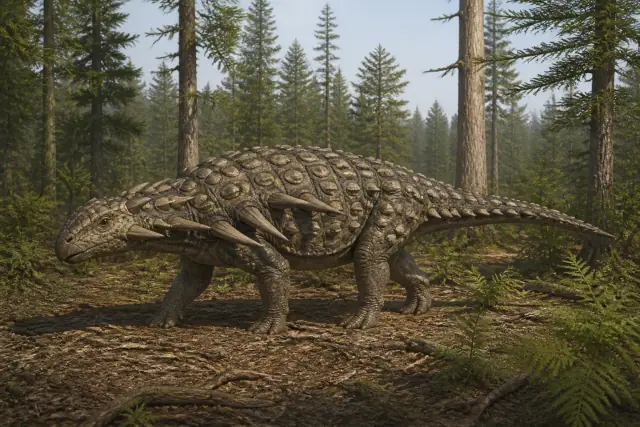
Sauropelta edwardsorum
Long shoulder spikes and dense armor protected one of the largest nodosaurids.
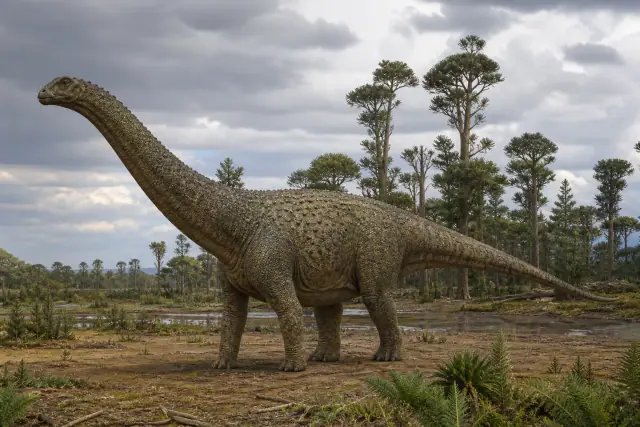
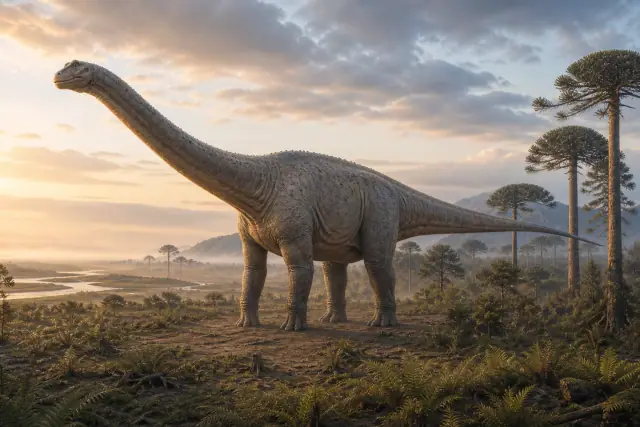
Saltasaurus loricatus
Small bony plates embedded in the skin showed that some titanosaurs carried armor.
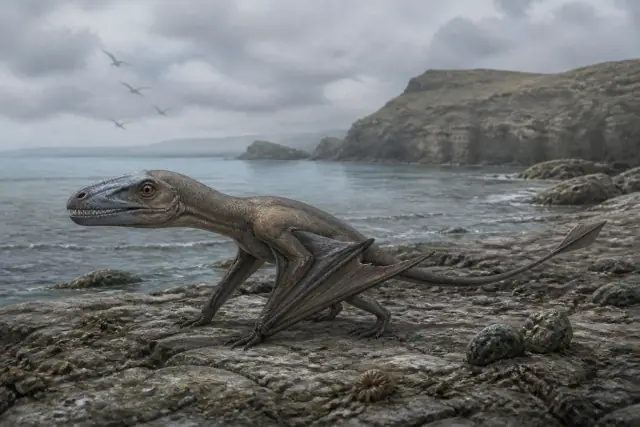
Dimorphodon macronyx
Two distinct tooth shapes gave this early pterosaur its name.
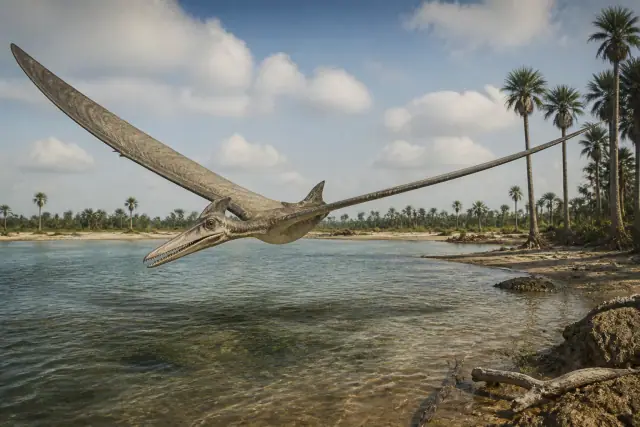
Anhanguera blittersdorffi
A toothed beak with matching crests helped seize slippery fish near the water surface.
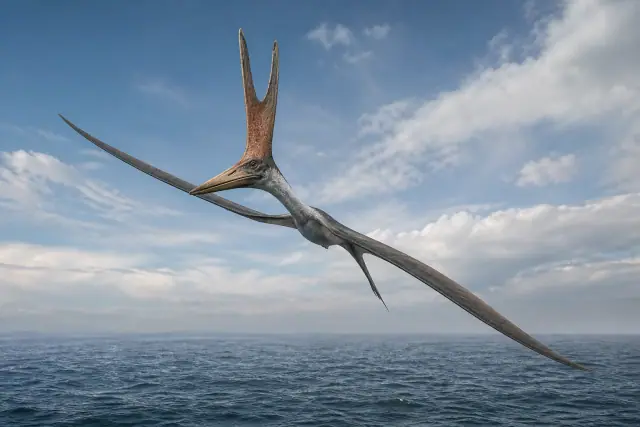
Nyctosaurus gracilis
An enormous branching crest crowned some adults, but there is no fossil evidence for a sail between its prongs.
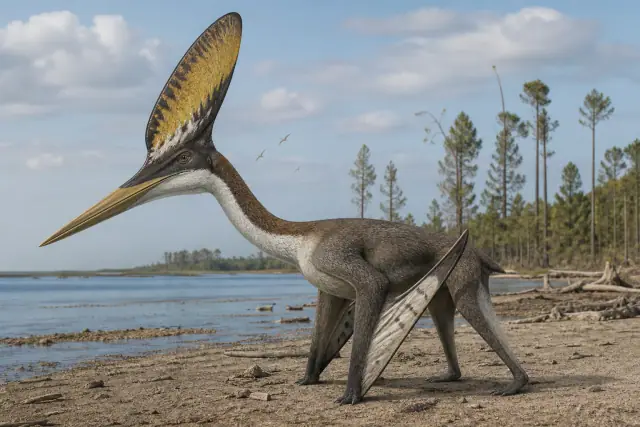
Thalassodromeus sethi
A vast sail-like skull crest dominated the profile of this large toothless pterosaur.
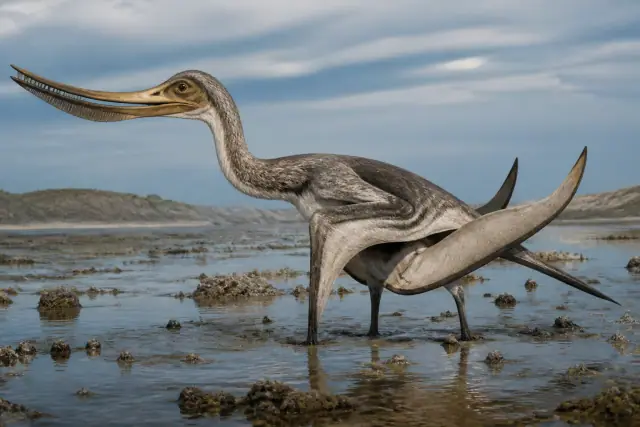
Pterodaustro guinazui
More than a thousand bristle-like lower teeth formed a filter basket.
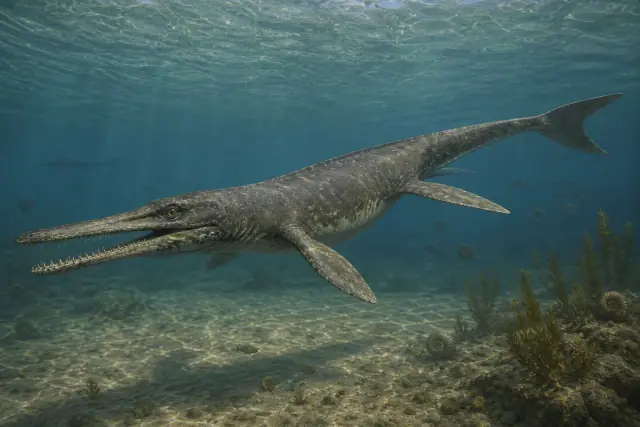
Metriorhynchus superciliosus
Flippers, a downturned tail fin and reduced armor transformed a crocodile relative into a pelagic swimmer.
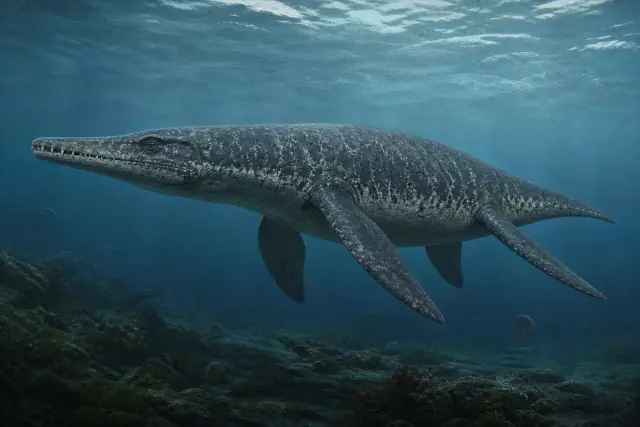
Pliosaurus funkei
A skull nearly two meters long and huge teeth formed an apex-predator bite apparatus.
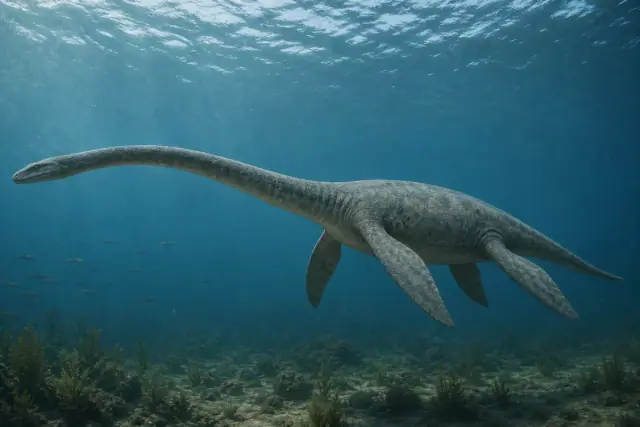
Styxosaurus snowii
More than sixty neck vertebrae formed an exceptionally long neck, while gastroliths filled the abdomen.
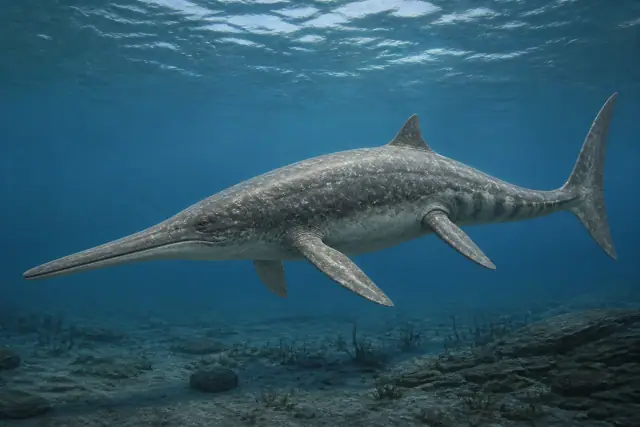
Cymbospondylus youngorum
Only a few million years after the great extinction, ichthyosaurs had already reached whale-like scale.
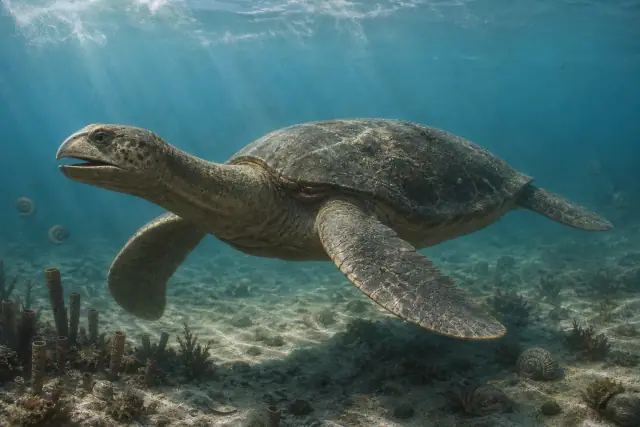
Protostega gigas
A reduced shell and giant front flippers made it one of the largest Cretaceous sea turtles.
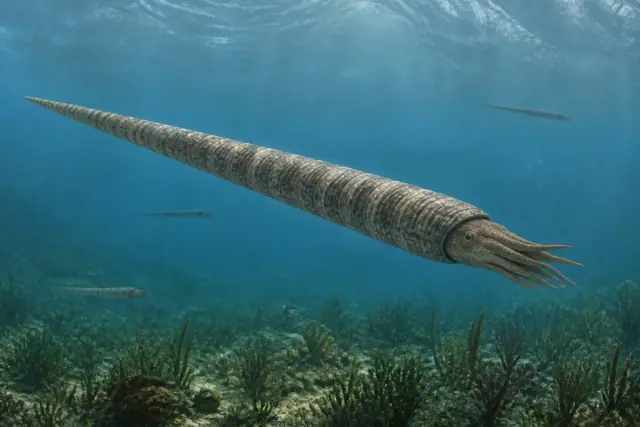
Baculites compressus
Its adult shell stretched into a near-straight rod while retaining ammonite sutures.
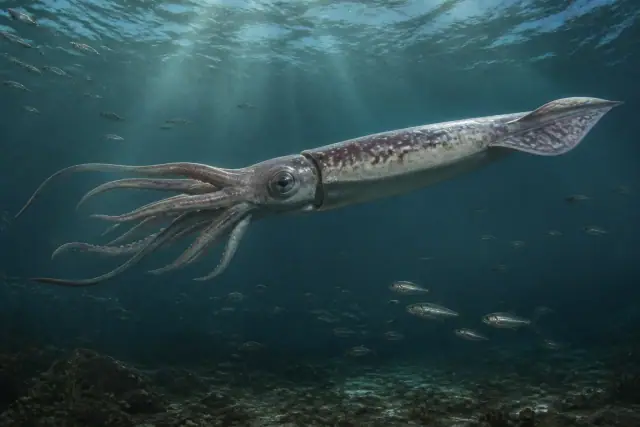
Tusoteuthis longa
A huge internal shell identifies a large coleoidean, though total length remains uncertain.
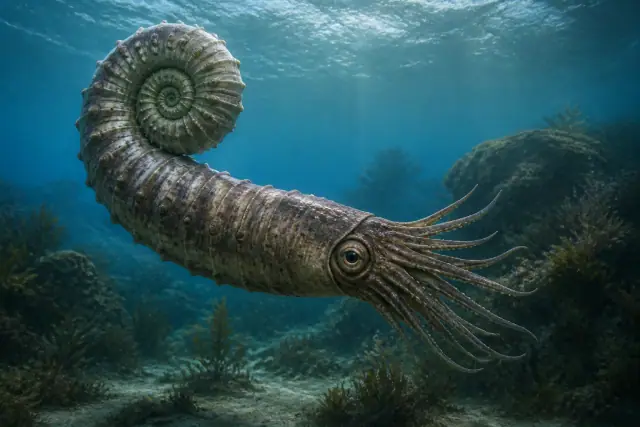
Scaphites nodosus
The juvenile shell coiled tightly before the adult chamber uncoiled and hooked back.
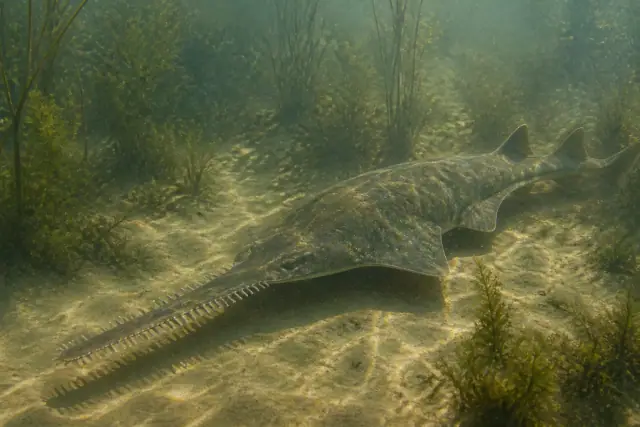
Onchopristis numidus
Barbed teeth armed a long rostrum used to sense and sweep through bottom prey.
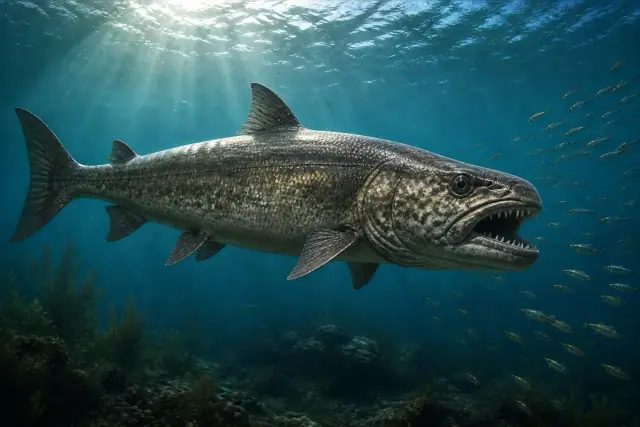
Xiphactinus audax
Its huge upturned mouth could swallow fish nearly half its own length.
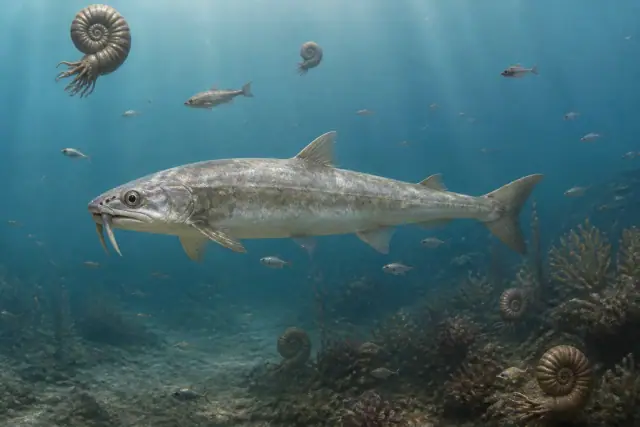
Enchodus petrosus
Oversized palatine fangs made a modest fish into a formidable midwater hunter.
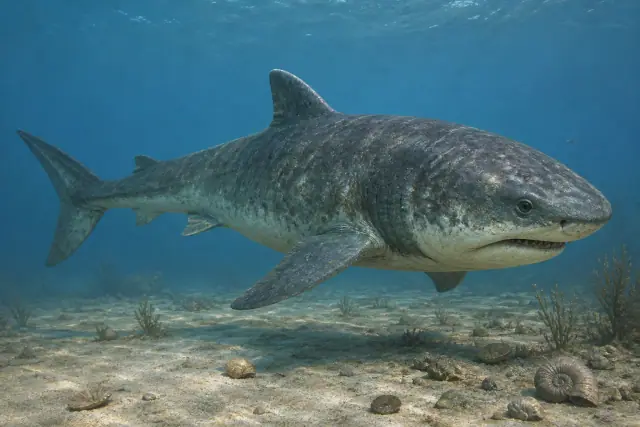
Ptychodus mortoni
Broad crushing teeth paved its mouth for ammonites and shellfish.
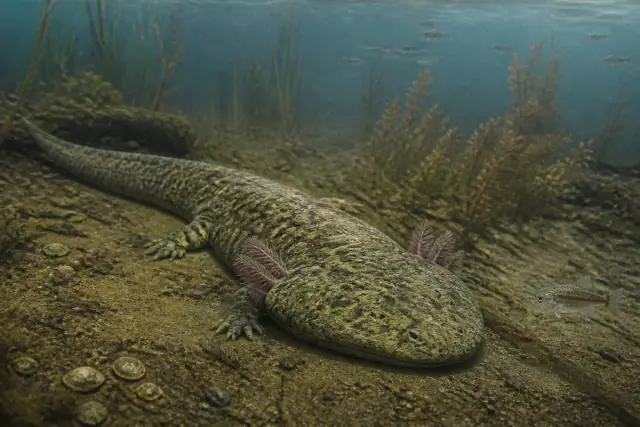
Gerrothorax pulcherrimus
A shovel-flat skull may have opened by lifting the upper jaw.
Explore the atlas by continent, country and state. Follow fossil localities into regional guides, compare animals across time and return to the evidence in each species profile.
FIELD GUIDES
Giants, strange body plans and lives within human memory. Follow a question into the atlas, then explore the animals behind it.