540Cenozoic
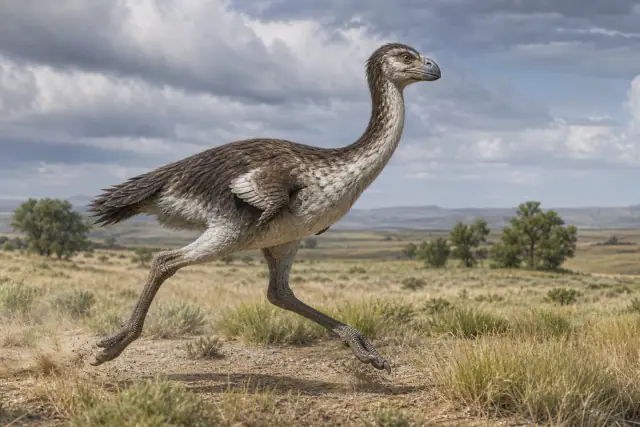
Bathornis
Bathornis grallator
Long legs and a strong beak belonged to a terrestrial bird with little or no flight.
LIFE ARCHIVE
Browse extinct life from traces nearly 1.9 billion years old to historically recorded extinctions.
Bathornis grallator
Long legs and a strong beak belonged to a terrestrial bird with little or no flight.
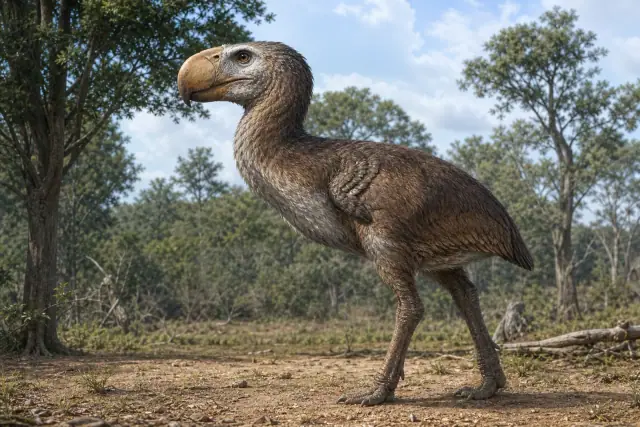
Paraphysornis brasiliensis
A deep beak and massive legs made a heavyweight South American terror bird.
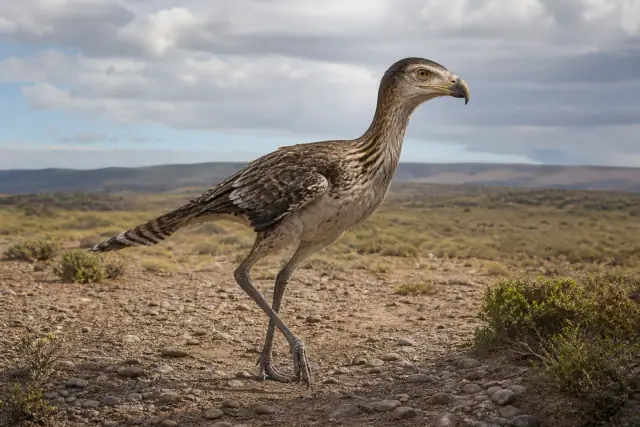
Psilopterus bachmanni
A lighter terror bird had long toes suited to rapid pursuit.
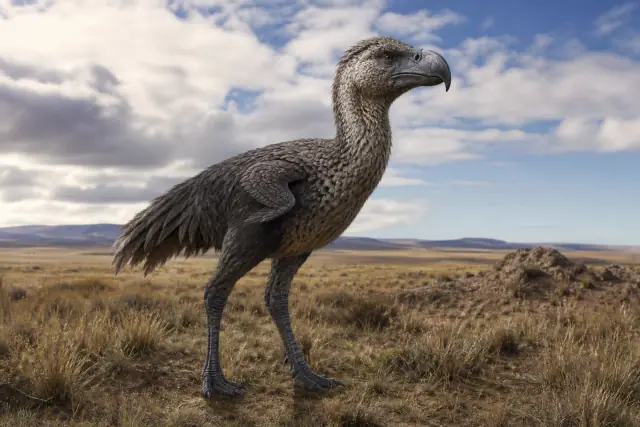
Llallawavis scagliai
Its complete inner ear reveals sensitivity to relatively low-frequency sound.
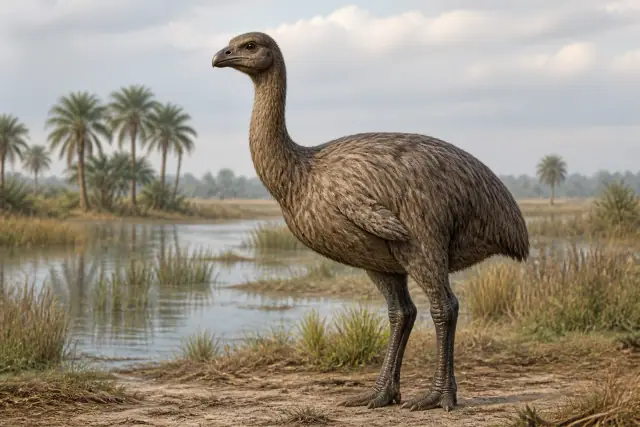
Eremopezus eocaenus
Robust leg bones belonged to a giant flightless African bird whose skull remains unknown.
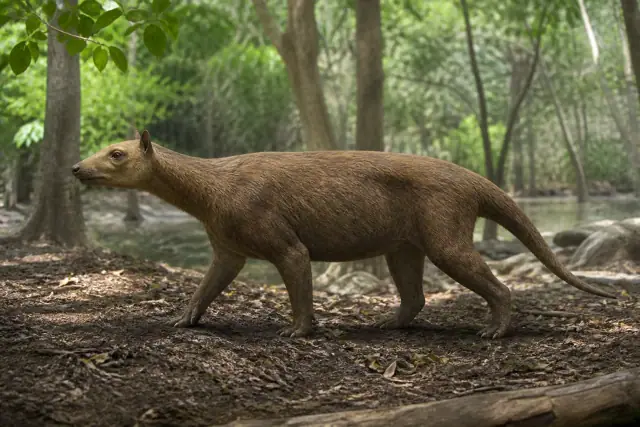
Phenacodus primaevus
Five-toed feet and generalized teeth record an early radiation of hoofed-mammal relatives.
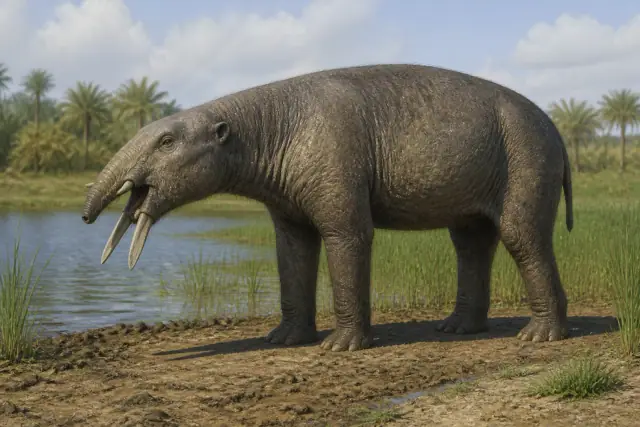
Palaeomastodon beadnelli
A short trunk and upper and lower tusks mark an early stage of proboscidean evolution.
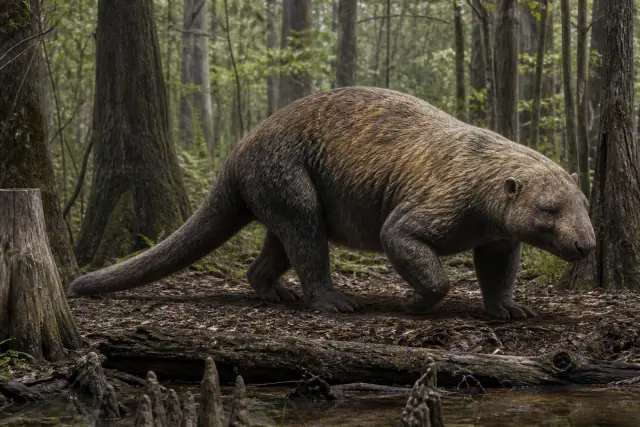
Barylambda faberi
A bear-sized heavy body and five-toed feet belonged to a pantodont herbivore.
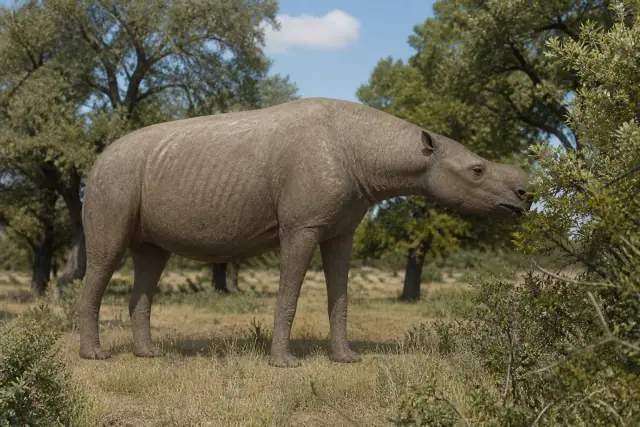
Aphelops mutilus
A hornless, long-limbed rhinoceros was built for travel across open woodland.
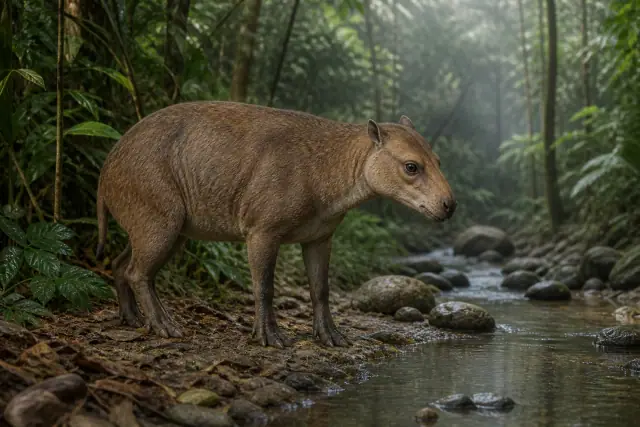
Hyrachyus modestus
A small hornless body combined traits near the early split of rhinos and tapirs.
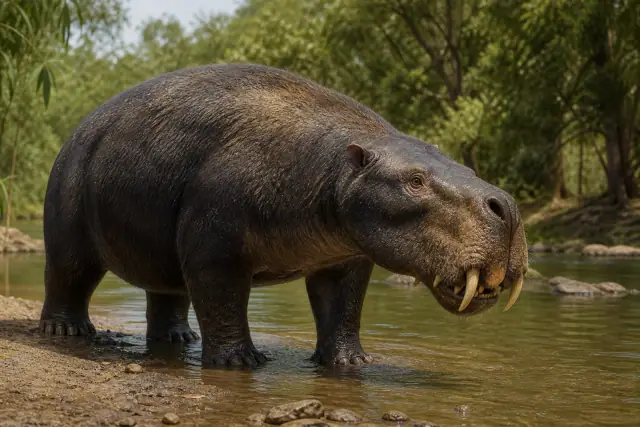
Coryphodon eocaenus
A barrel body, short legs and large canines marked one of the first widespread large mammals.
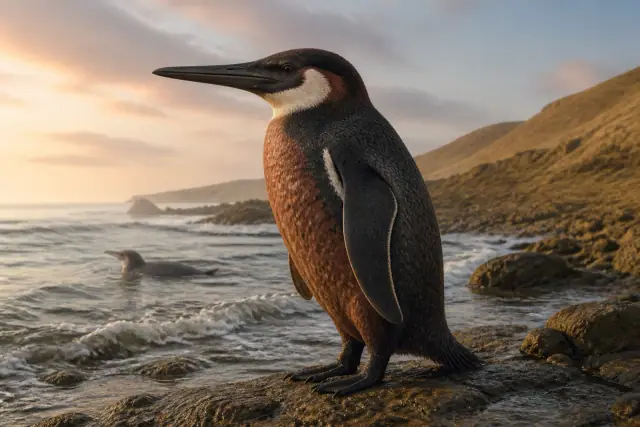
Inkayacu paracasensis
A near-human-height diving bird preserves feathers and melanosomes that opened direct study of ancient penguin color.
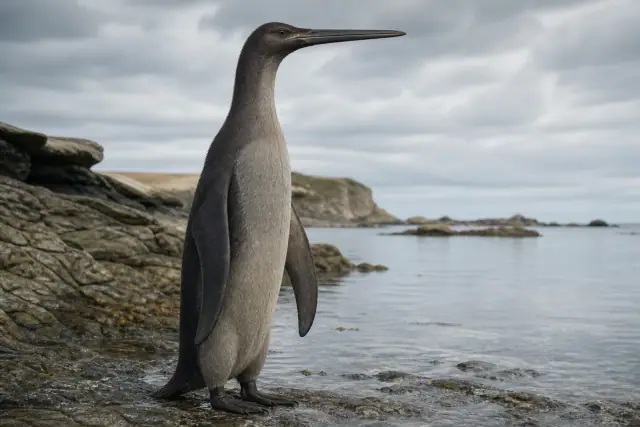
Kairuku grebneffi
A slender trunk, long bill and large flippers produced a taller silhouette than modern penguins.
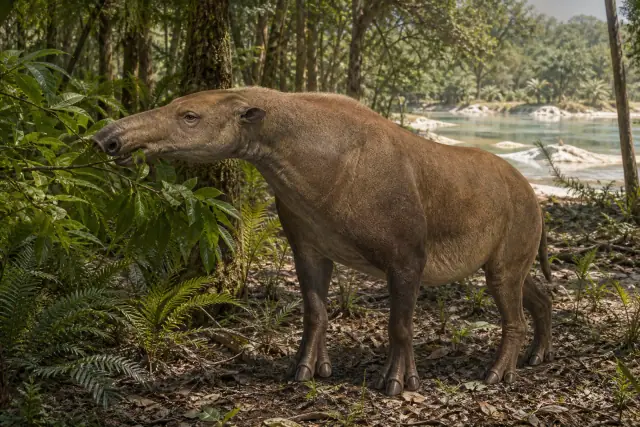
Palaeotherium magnum
A short face, low-crowned teeth and three-toed feet belonged to a European herbivore near horse relatives.
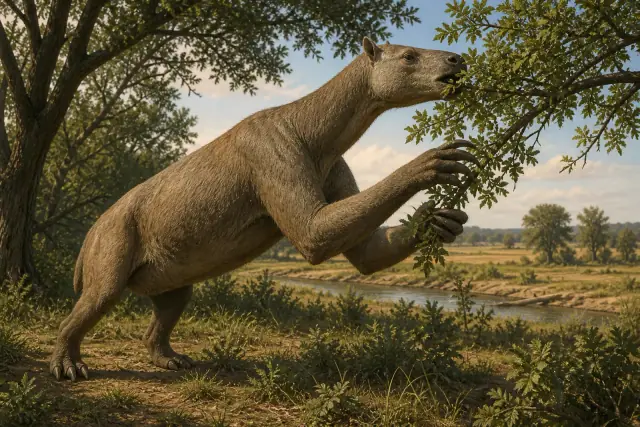
Moropus elatus
A horse-like head and enormous curved claws belonged to a herbivorous perissodactyl walking on its knuckles.
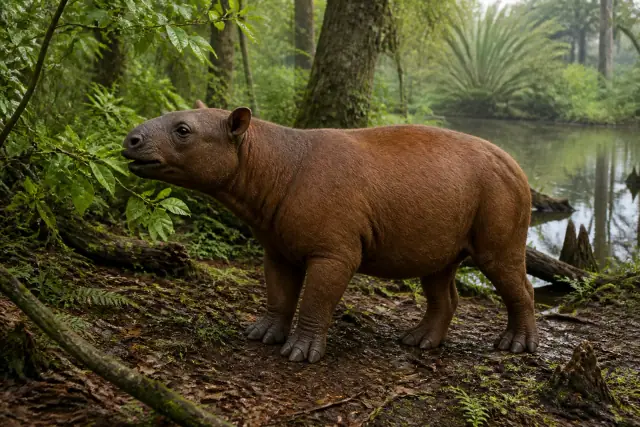
Eotitanops borealis
Only tapir-sized and hornless, it already possessed the short face and teeth of early brontotheres.
Explore the atlas by continent, country and state. Follow fossil localities into regional guides, compare animals across time and return to the evidence in each species profile.
FIELD GUIDES
Giants, strange body plans and lives within human memory. Follow a question into the atlas, then explore the animals behind it.