79Recently extinct
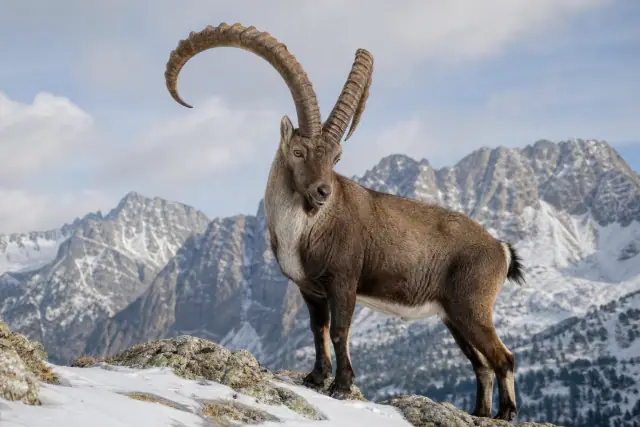
Pyrenean Ibex
Capra pyrenaica pyrenaica
The bucardo was the first extinct animal briefly brought back as a clone—and the first to go extinct twice.
LIFE ARCHIVE
Browse extinct life from traces nearly 1.9 billion years old to historically recorded extinctions.
Capra pyrenaica pyrenaica
The bucardo was the first extinct animal briefly brought back as a clone—and the first to go extinct twice.
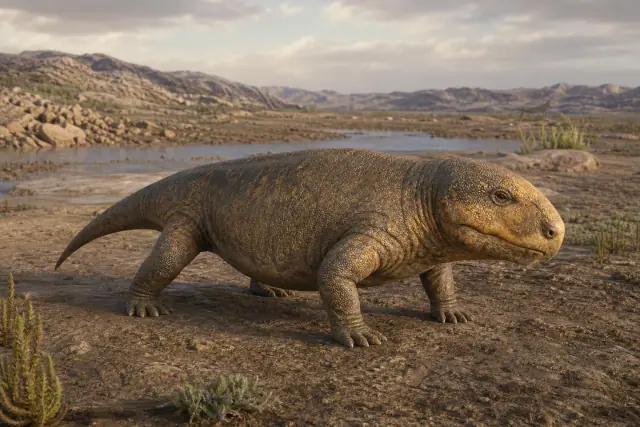
Moschops capensis
A thick skull roof capped this heavy plant-eating mammal relative.
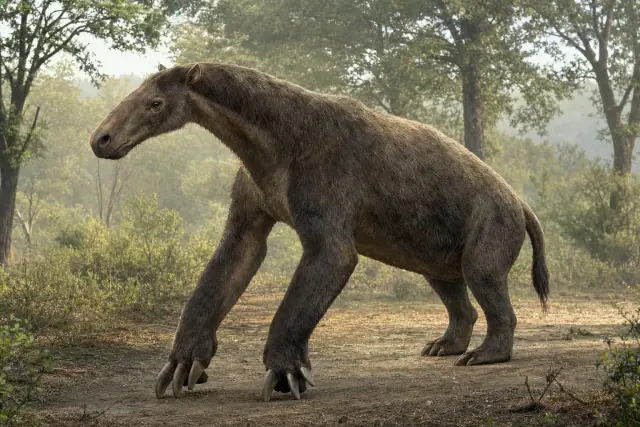
Chalicotherium goldfussi
Long clawed forelimbs made this horse relative walk on its knuckles.
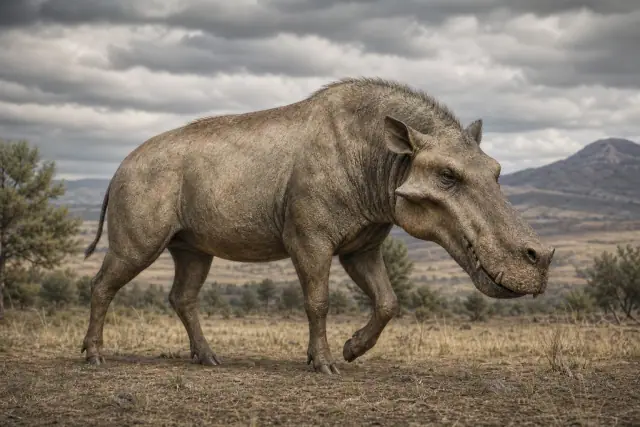
Daeodon shoshonensis
A huge deep-skulled omnivore belonged to the entelodonts, not to true pigs.
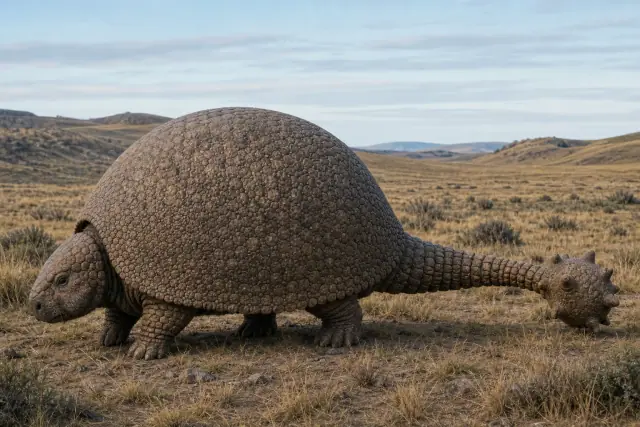
Doedicurus clavicaudatus
A spiked tail club completed the armor of this giant glyptodont.
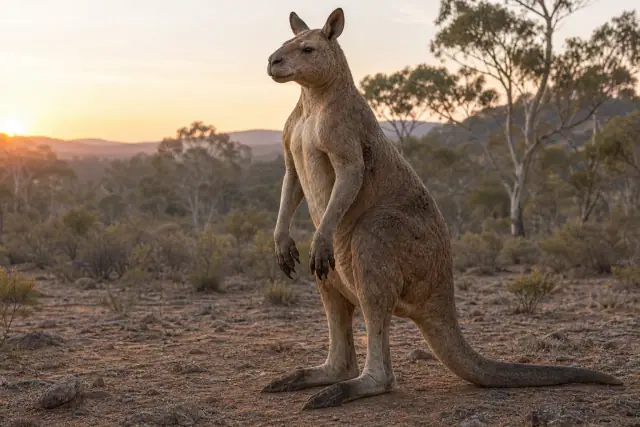
Procoptodon goliah
A broad face, forward-looking eyes and single-toed feet distinguished this giant kangaroo.
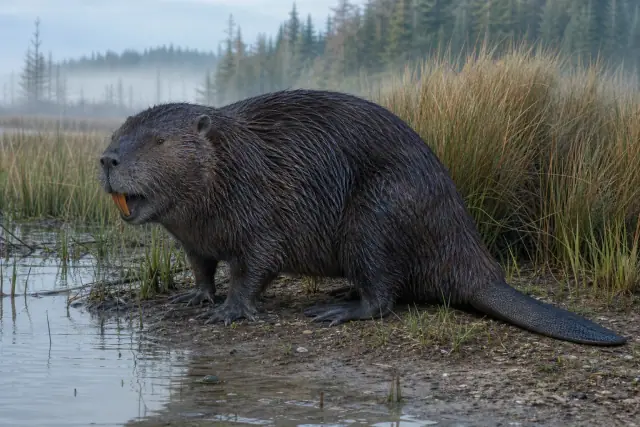
Castoroides ohioensis
This black-bear-sized beaver had ridged teeth and depended on extensive wetlands.
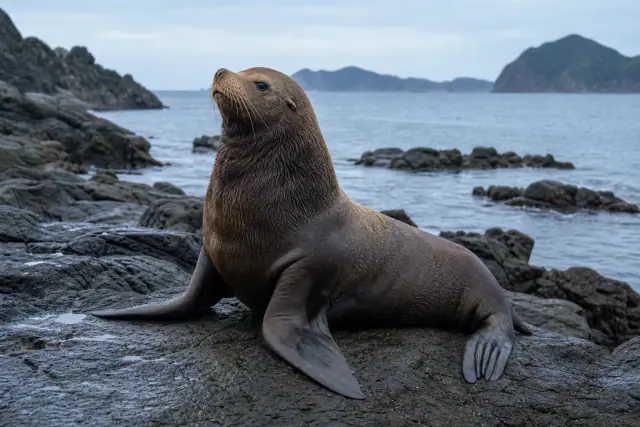
Zalophus japonicus
This large coastal sea lion bred on rocky islands across the Sea of Japan.
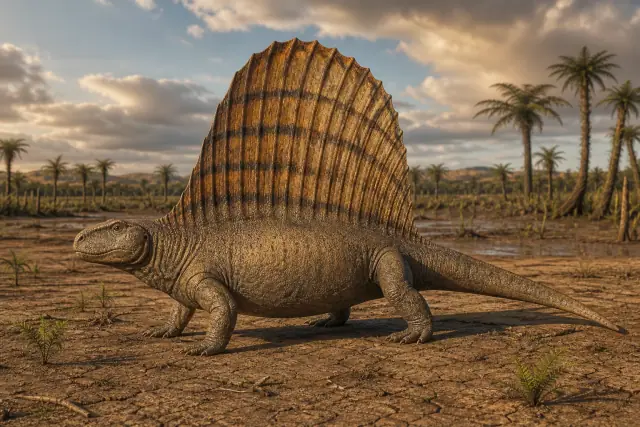
Edaphosaurus pogonias
Crossbars projected from the spines of its tall sail above a broad plant-processing body.
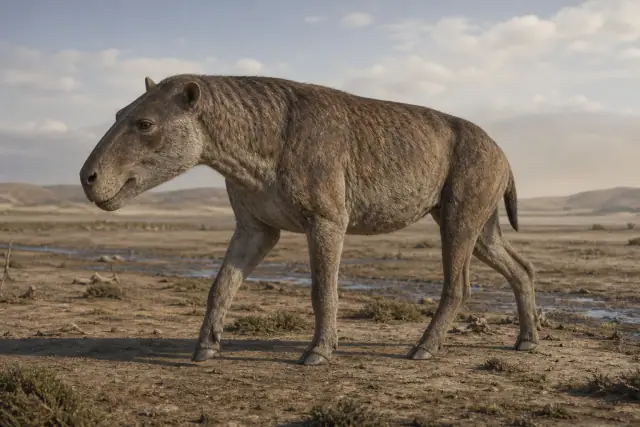
Andrewsarchus mongoliensis
Nearly everything known directly comes from one enormous skull, leaving the body unusually uncertain.
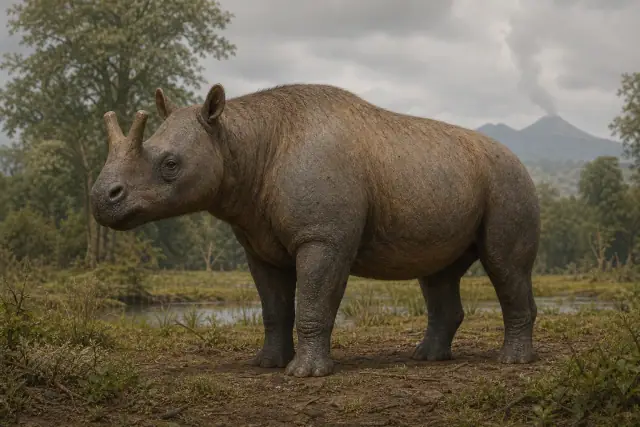
Megacerops coloradensis
It resembled a rhinoceros but belonged to the extinct brontotheres and carried paired nasal horns.
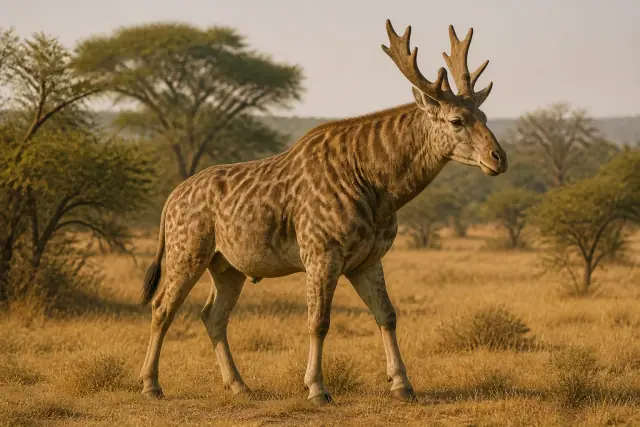
Sivatherium giganteum
A massive body, broad feet and four ossicones made this giraffid resemble both deer and cattle.
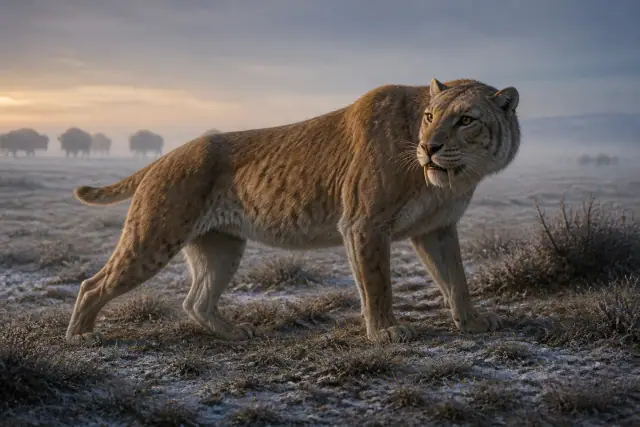
Homotherium serum
Short blade-like canines, long forelimbs and a sloping back suited pursuit of large prey.
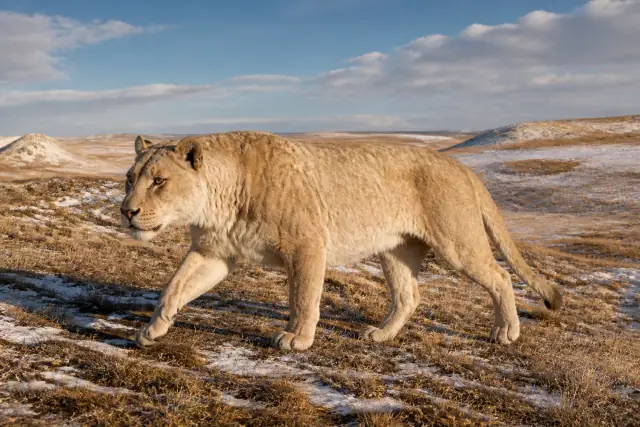
Panthera spelaea
Ice Age art usually shows this immense cat without the heavy mane of many modern male lions.
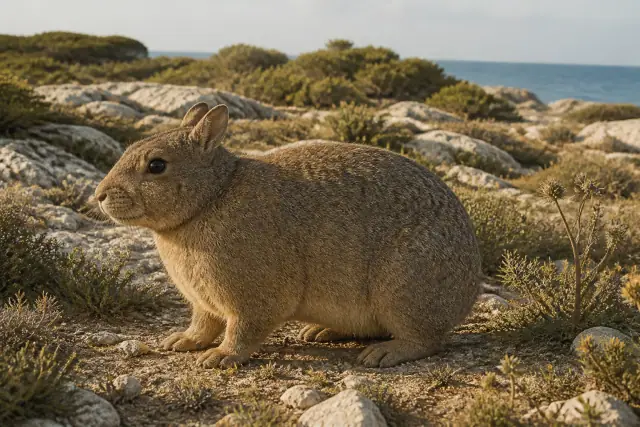
Nuralagus rex
Without large predators, this heavy island rabbit evolved small ears and lost efficient hopping.
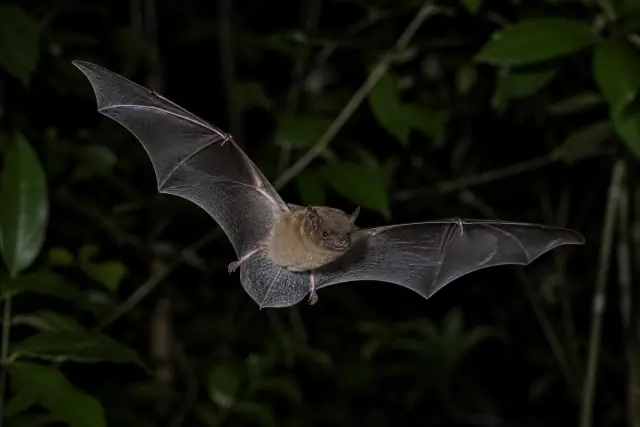
Pipistrellus murrayi
This palm-sized insect bat fell from island-wide abundance to a final acoustic signal in 2009.
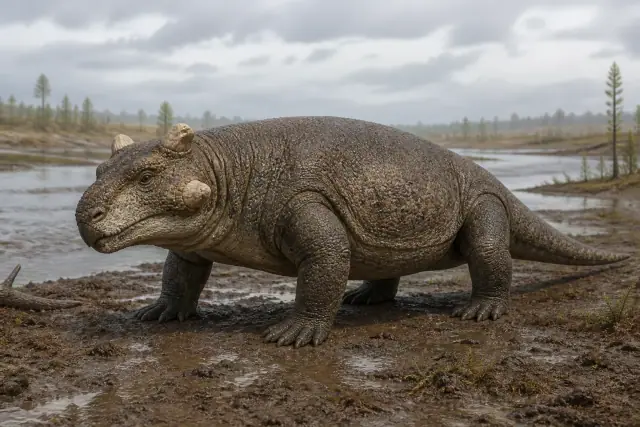
Estemmenosuchus uralensis
Paired bony bosses formed a rough crown on the skull of this large, probably plant-eating therapsid.
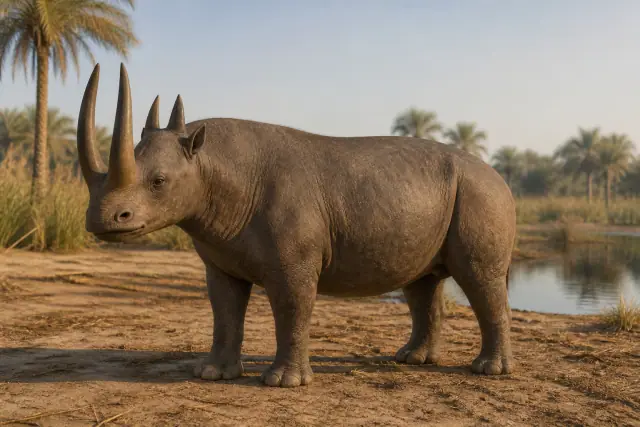
Arsinoitherium zitteli
Two enormous hollow nasal horns and a smaller rear pair belonged to an embrithopod, not a rhinoceros.
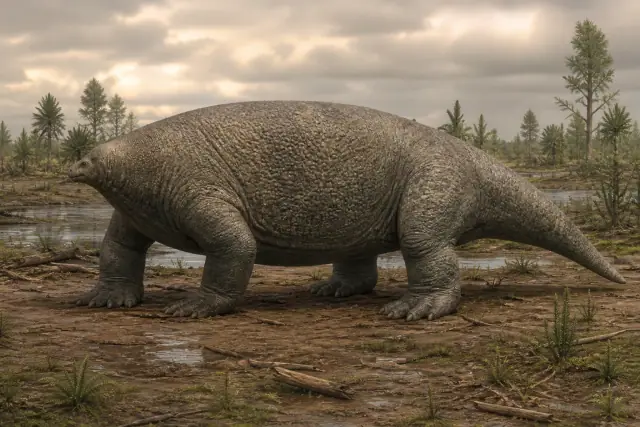
Cotylorhynchus romeri
A tiny head joined a barrel-shaped giant body whose broad ribs enclosed a vast plant-fermenting digestive system.
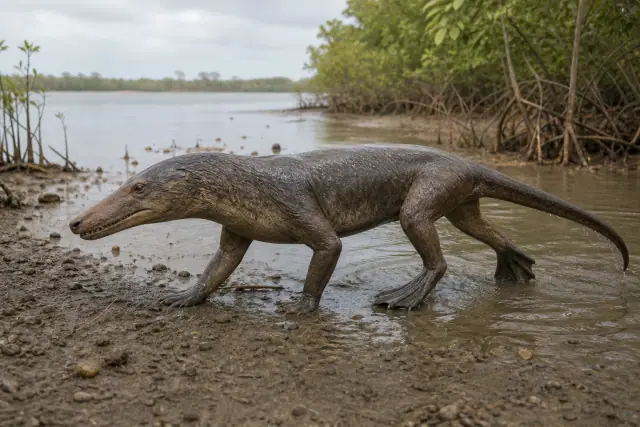
Ambulocetus natans
Strong limbs could still bear weight, yet long feet paddled through water and the ear region was adapting to underwater sound.
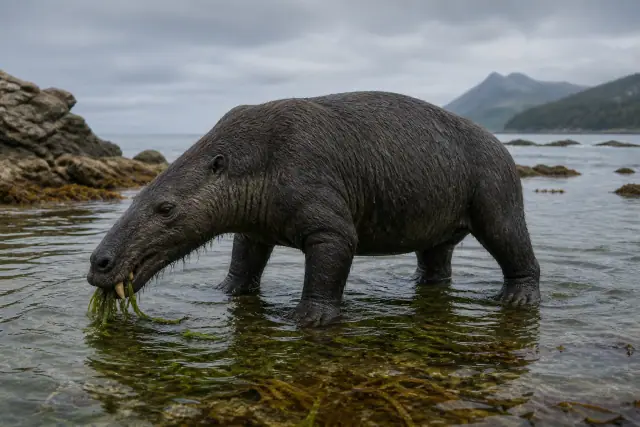
Desmostylus hesperus
Bundles of enamel-wrapped tooth columns and broad limbs helped it crop aquatic plants in tidal flats and shallow water.
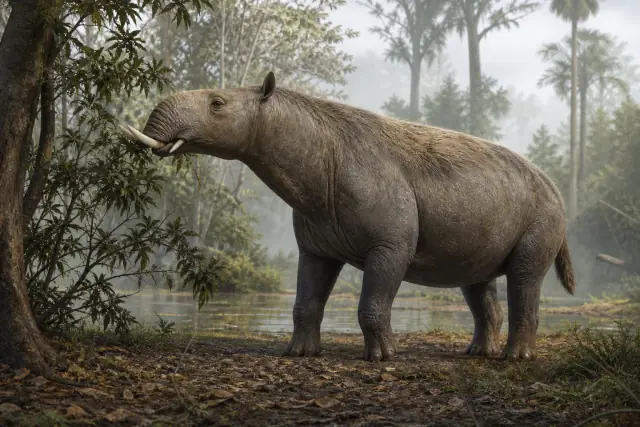
Astrapotherium magnum
Rear-shifted nostrils and four tusks document a distinctive skull; a short trunk is a soft-tissue reconstruction inferred from the bones.
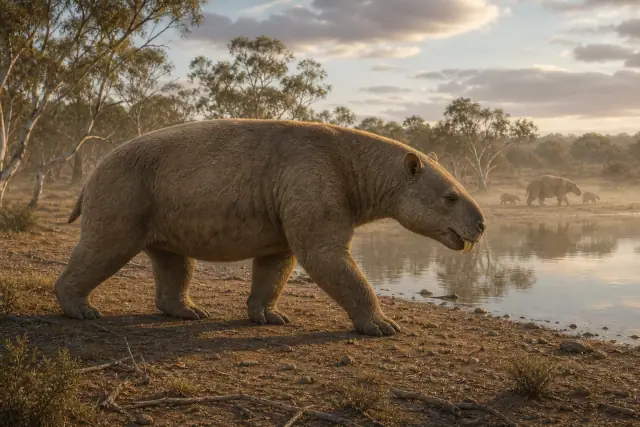
Diprotodon optatum
This rhinoceros-sized marsupial clipped plants with two forward incisors and moved between seasonal water sources.
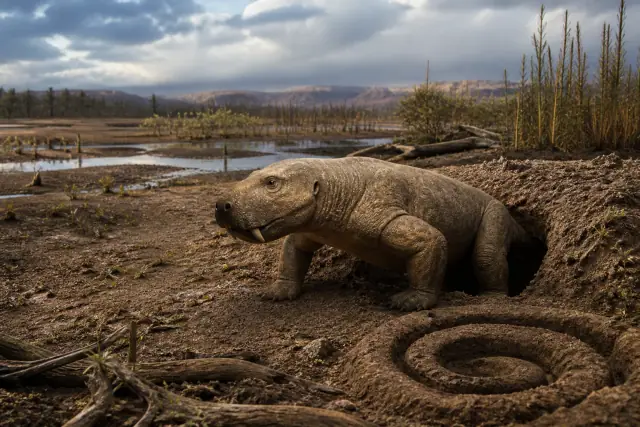
Diictodon feliceps
A beak, short tusks and powerful forelimbs made this one of the most common burrowing herbivores of the Late Permian.
Explore the atlas by continent, country and state. Follow fossil localities into regional guides, compare animals across time and return to the evidence in each species profile.
FIELD GUIDES
Giants, strange body plans and lives within human memory. Follow a question into the atlas, then explore the animals behind it.