86Mesozoic
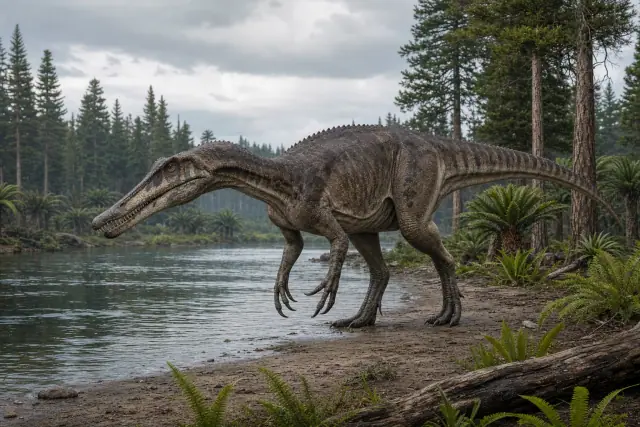
Baryonyx
Baryonyx walkeri
A crocodile-like snout and huge thumb claw equipped this theropod to catch fish and other prey.
LIFE ARCHIVE
Browse extinct life from traces nearly 1.9 billion years old to historically recorded extinctions.
Baryonyx walkeri
A crocodile-like snout and huge thumb claw equipped this theropod to catch fish and other prey.
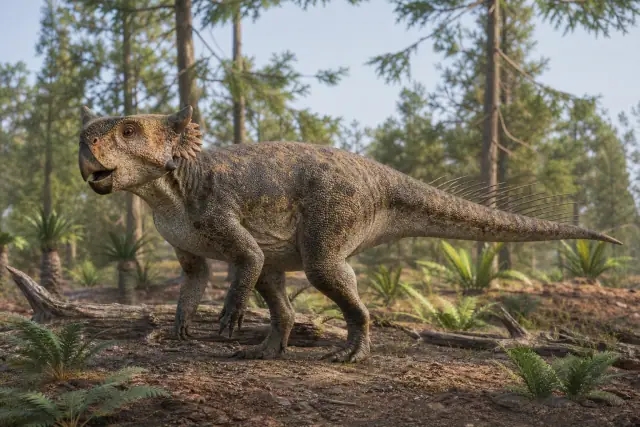
Psittacosaurus mongoliensis
A deep parrot-like beak helped this early horned dinosaur process plants; this record distinguishes P. mongoliensis from other specimens of the genus.
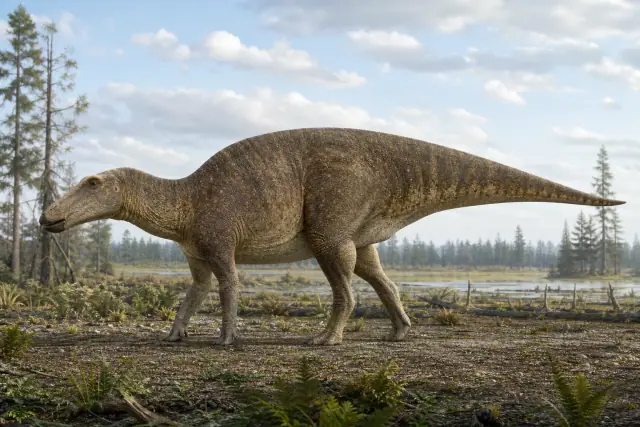
Edmontosaurus annectens
A broad duck bill and dense dental batteries processed huge amounts of vegetation.
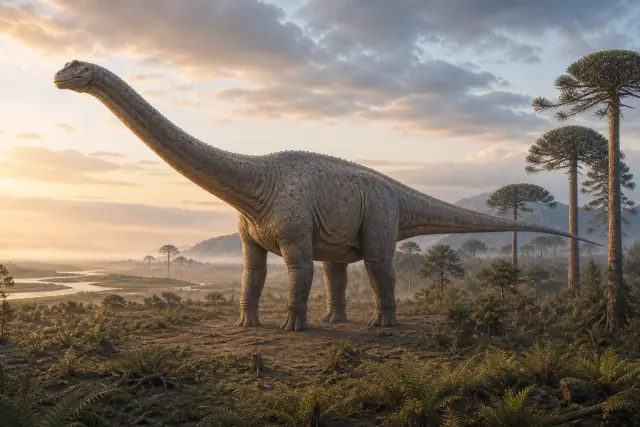
Argentinosaurus huinculensis
A handful of colossal vertebrae and limb bones indicate one of the largest land animals known.
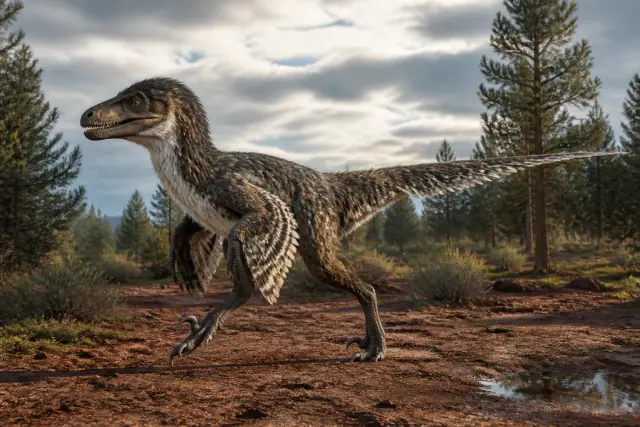
Utahraptor ostrommaysorum
This huge, robust dromaeosaur used strength and a curved second-toe claw to control prey.
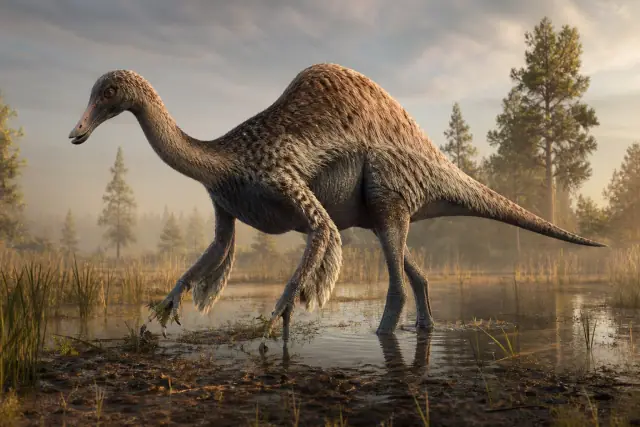
Deinocheirus mirificus
Huge arms, a broad bill, a tall back and wide feet formed one of the strangest dinosaur silhouettes.
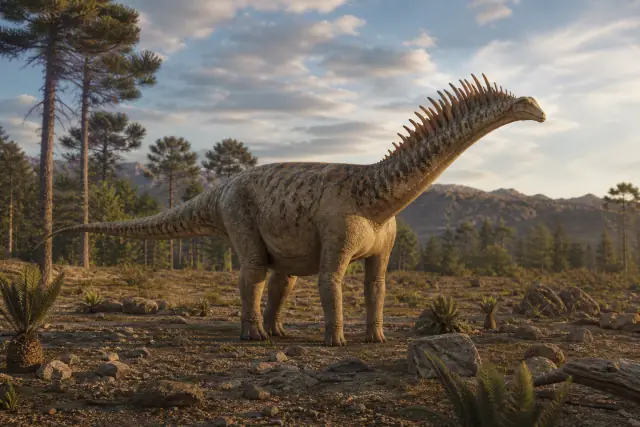
Amargasaurus cazaui
Two rows of elongated neck spines made its profile unique, though their soft-tissue covering remains debated.
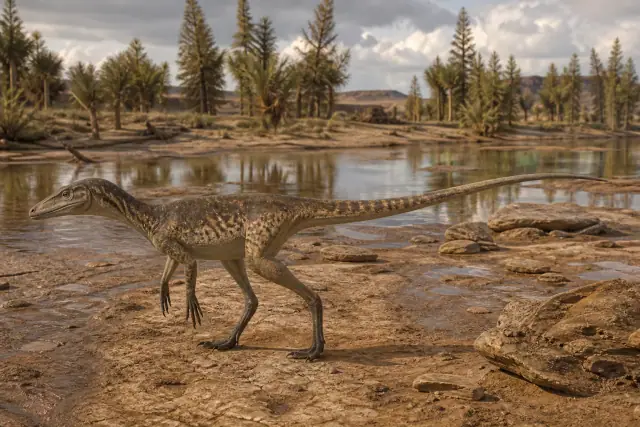
Eoraptor lunensis
A lightly built one-meter animal ran on two legs with both sharp and leaf-shaped teeth in its jaws.
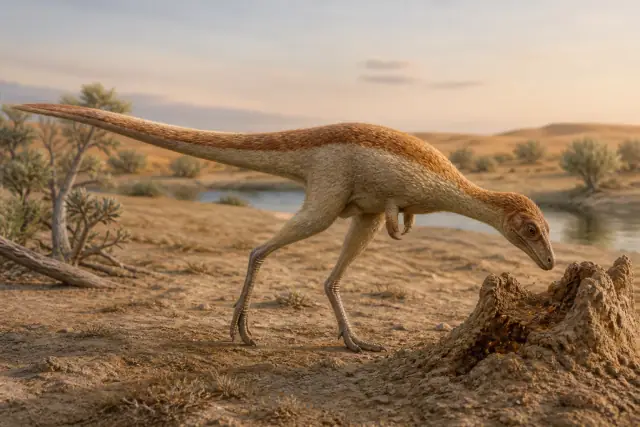
Mononykus olecranus
Each tiny forearm ended in one stout main claw, perhaps used to tear open insect nests like a modern anteater.
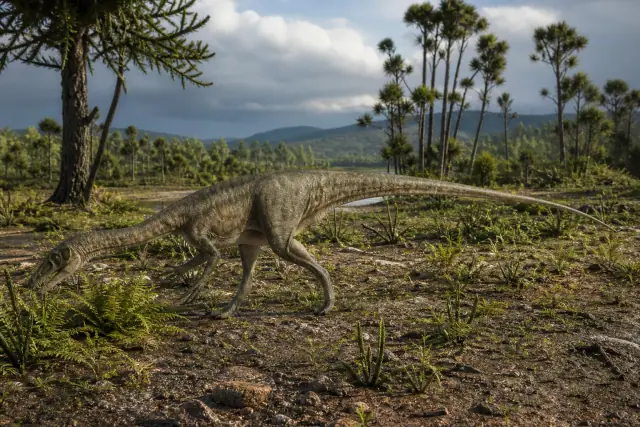
Massospondylus carinatus
A long neck, small head and grasping hands mark a stage between bipedal ancestors and giant quadrupedal sauropods.
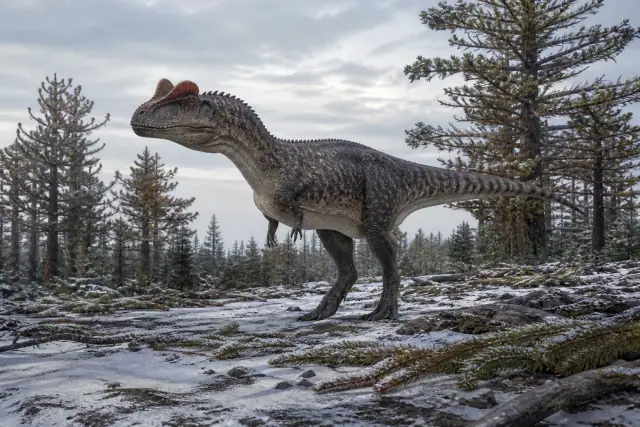
Cryolophosaurus ellioti
A curved transverse crest across its skull gives this large Antarctic theropod an unmistakable profile.
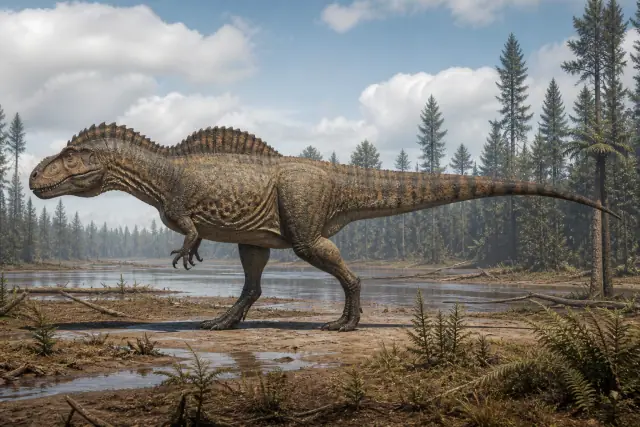
Acrocanthosaurus atokensis
Tall neural spines along the neck and back supported a muscular ridge rather than a paper-thin sail.
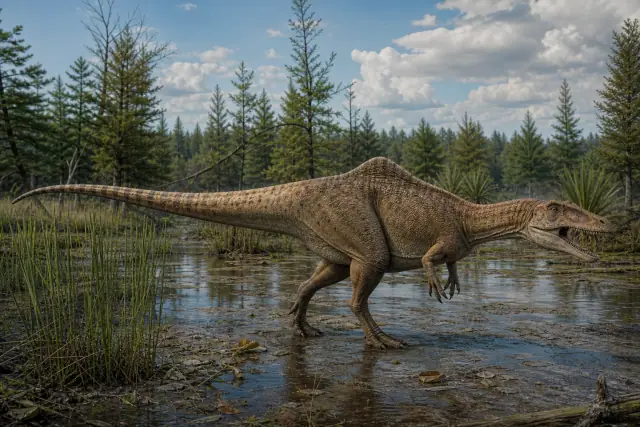
Concavenator corcovatus
Two very tall vertebrae ahead of the hips formed a short steep back crest, while the forearm carried unusual knobs.
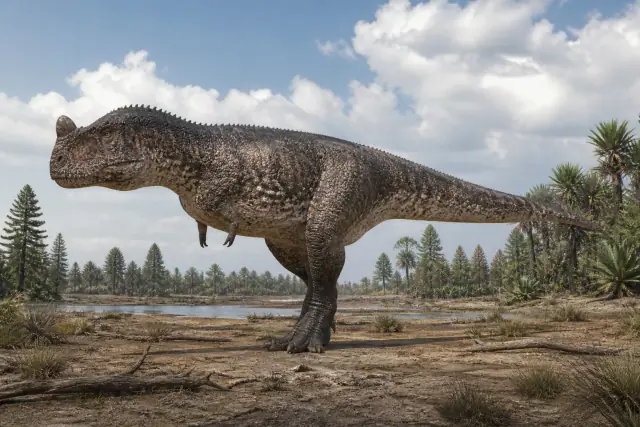
Majungasaurus crenatissimus
A short deep skull carried a rounded horn, while tooth marks on its own species provide rare scavenging evidence.
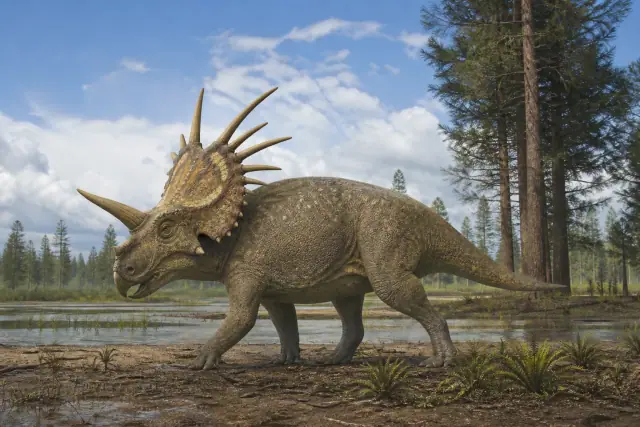
Styracosaurus albertensis
A huge nasal horn and long spikes radiating from the frill made one of the most dramatic ceratopsian heads.
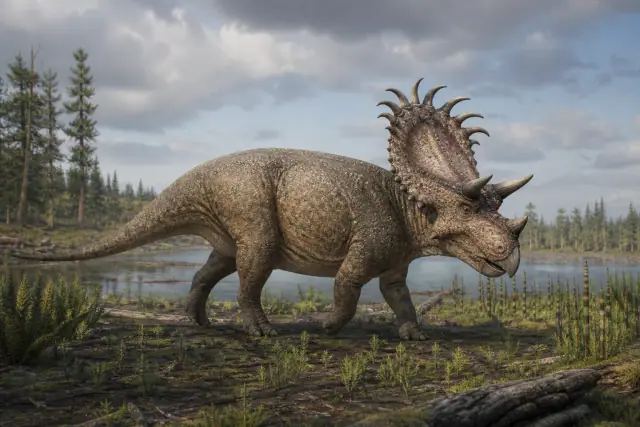
Kosmoceratops richardsoni
Fifteen horn-like ornaments across the nose, brows and broad frill formed a folded crown around the skull.
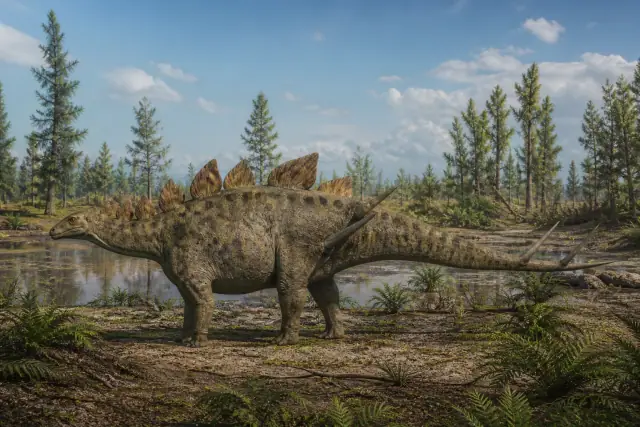
Kentrosaurus aethiopicus
Plates covered the front body while long paired spikes armed the hips and tail, concentrating defense behind it.
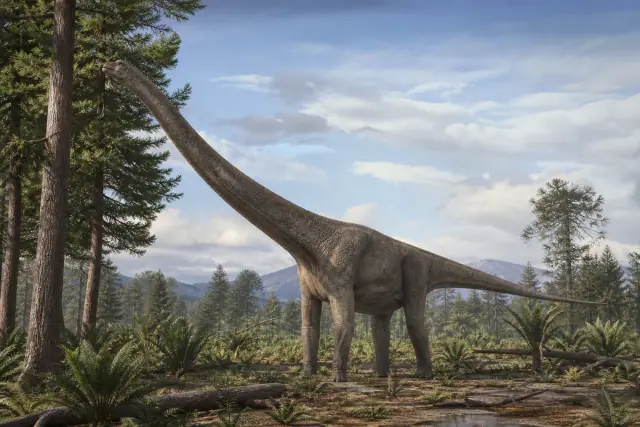
Mamenchisaurus hochuanensis
Nineteen elongated neck vertebrae placed nearly half the body's length in the neck, lightened internally by air spaces.
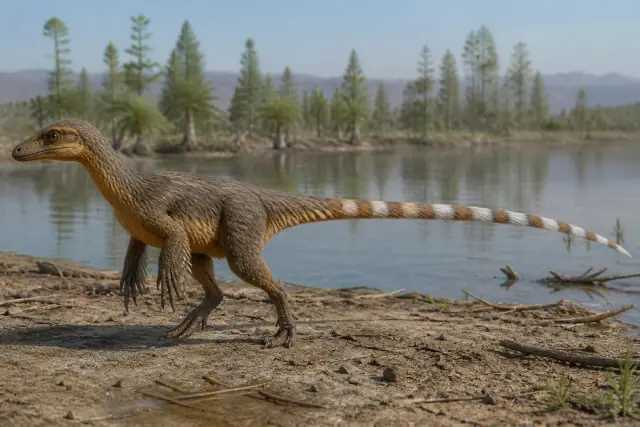
Sinosauropteryx prima
Simple filamentous feathers and tail color bands made it the first dinosaur restored with evidence-based coloration.
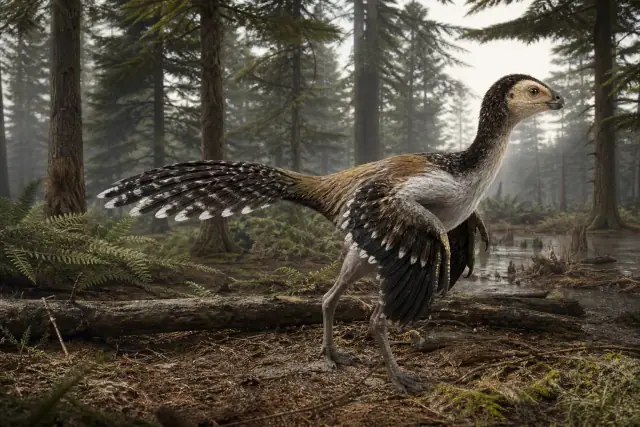
Caudipteryx zoui
Orderly vaned feathers covered its arms and short tail, but symmetric feathers and body proportions prevented powered flight.
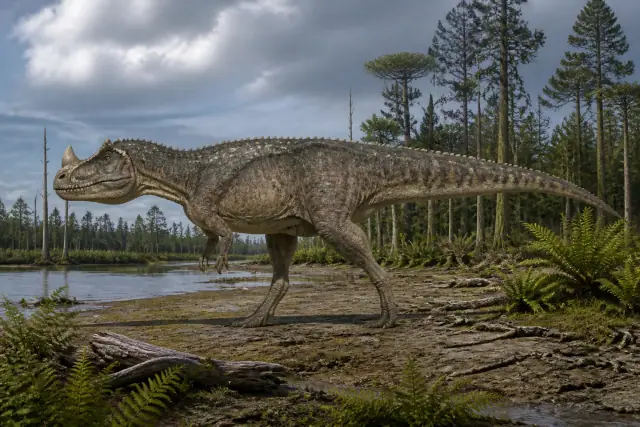
Ceratosaurus nasicornis
A nasal horn, brow ridges and small midline osteoderms made this predator unmistakable.
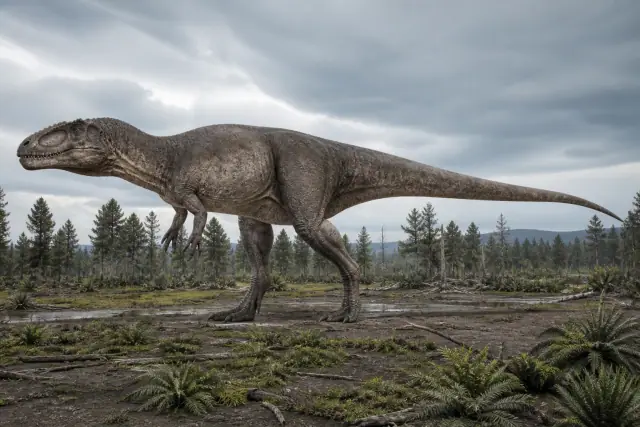
Torvosaurus tanneri
A huge skull and unusually powerful three-fingered arms marked one of the largest megalosaurids.
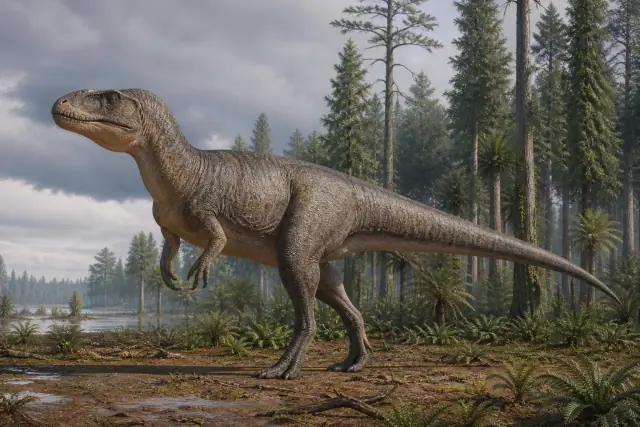
Megalosaurus bucklandii
The first formally named non-avian dinosaur later became a wastebasket for unrelated theropod bones.
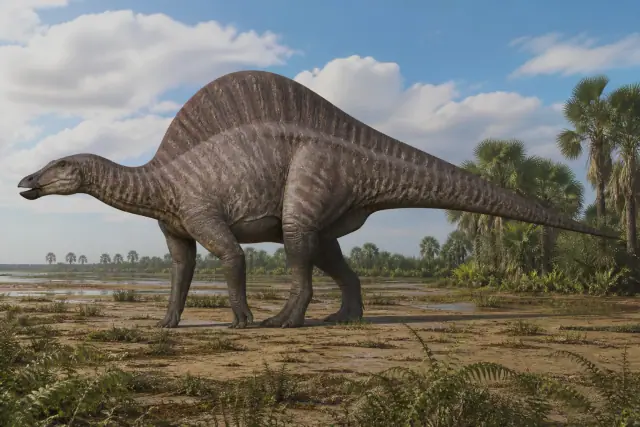
Ouranosaurus nigeriensis
Tall neural spines supported a sail, ridge or fatty hump whose soft-tissue shape remains uncertain.
Explore the atlas by continent, country and state. Follow fossil localities into regional guides, compare animals across time and return to the evidence in each species profile.
FIELD GUIDES
Giants, strange body plans and lives within human memory. Follow a question into the atlas, then explore the animals behind it.