299Cenozoic
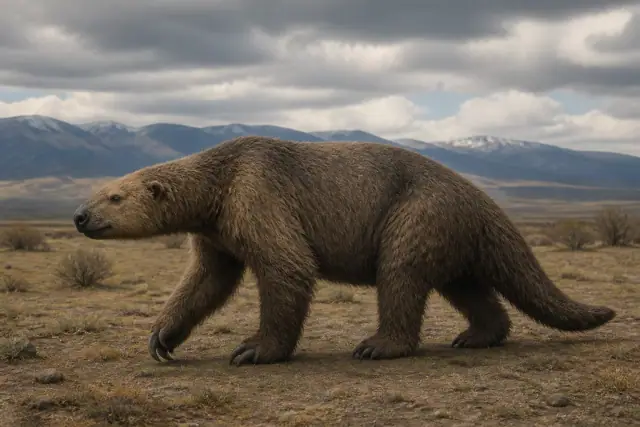
Mylodon
Mylodon darwinii
Thick hide reinforced by tiny bony nodules protected this large ground sloth.
LIFE ARCHIVE
Browse extinct life from traces nearly 1.9 billion years old to historically recorded extinctions.
Mylodon darwinii
Thick hide reinforced by tiny bony nodules protected this large ground sloth.
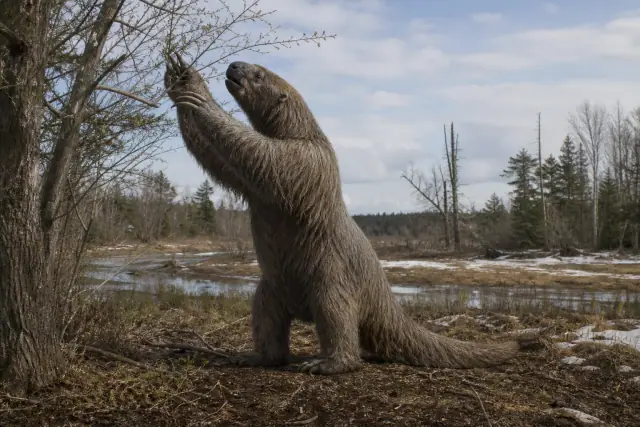
Megalonyx jeffersonii
Huge curved claws belonged to a forest browser whose name is tied to Thomas Jefferson.
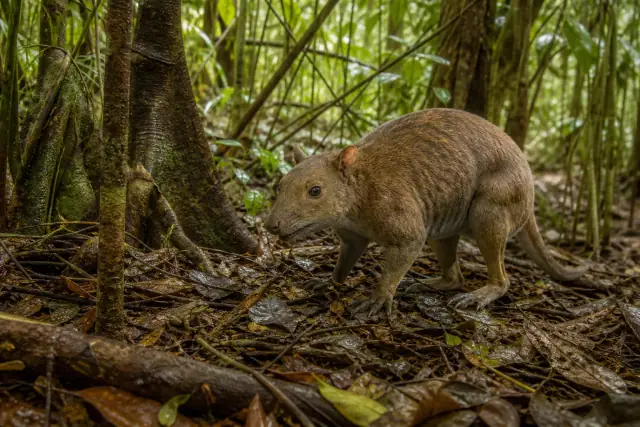
Ekaltadeta ima
Deep jaws and slicing teeth suggest an ancient kangaroo relative that ate meat.
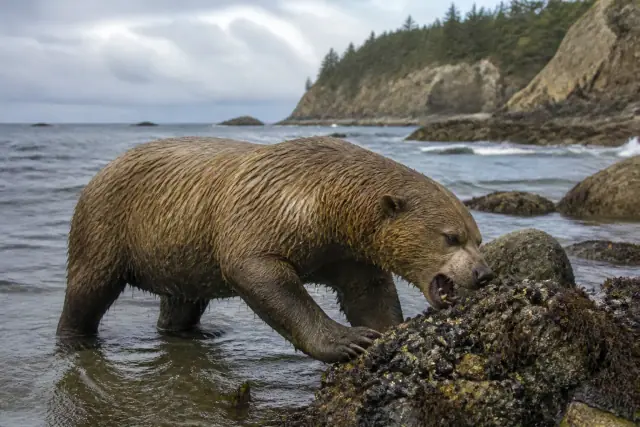
Kolponomos newportensis
A bear-like carnivore used powerful jaws to pry and crush shellfish.
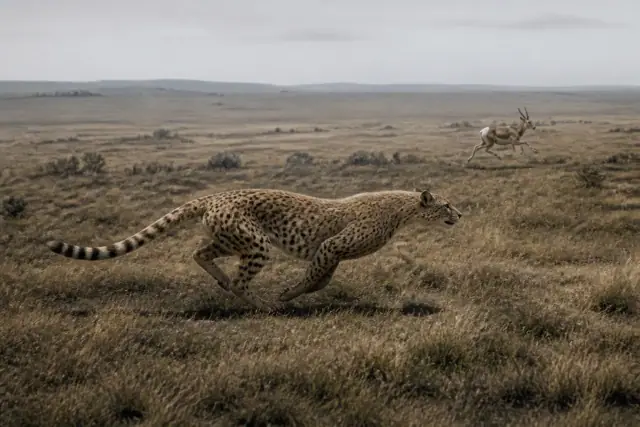
Miracinonyx trumani
Long limbs converged on cheetah proportions, but its closest ties were to cougars.
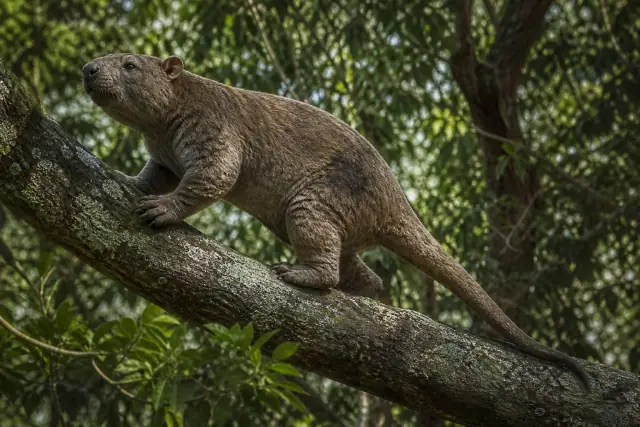
Nimbadon lavarackorum
Grasping feet and flexible shoulders reveal a large climbing marsupial.
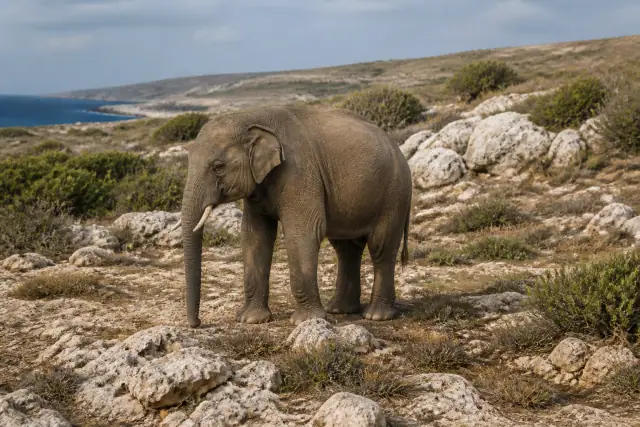
Palaeoloxodon cypriotes
Island scarcity shrank a giant-elephant lineage to about one meter at the shoulder.
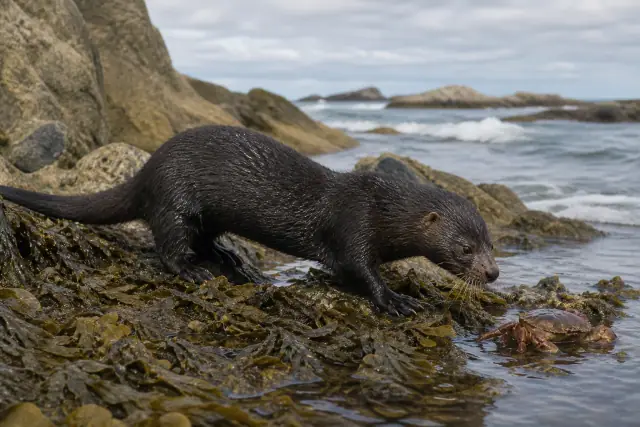
Neogale macrodon
It was hunted out for fur before scientists could describe a living animal.
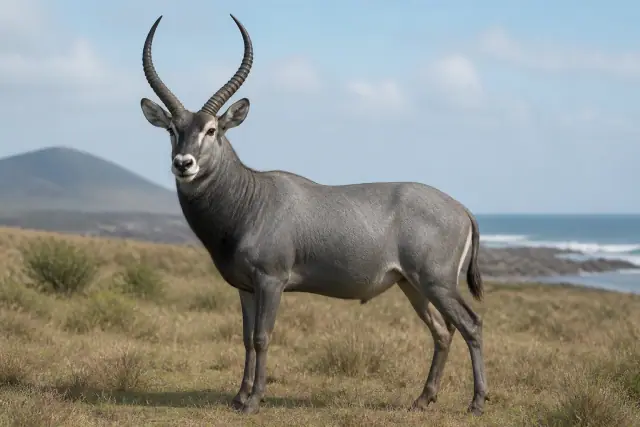
Hippotragus leucophaeus
Its blue cast likely came from gray hair over dark skin rather than bright fur.
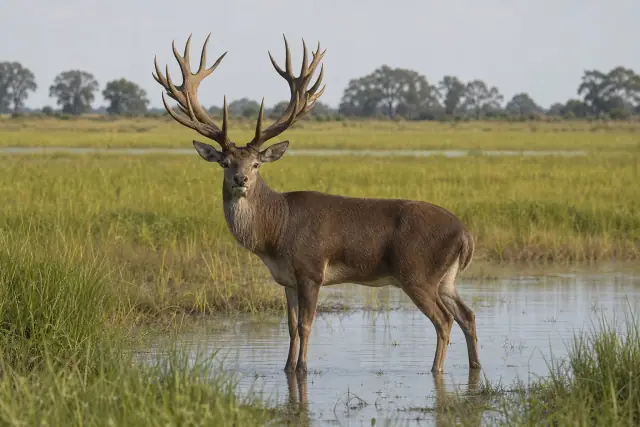
Rucervus schomburgki
Broad multi-tined antlers formed a crown above floodplain grasslands.
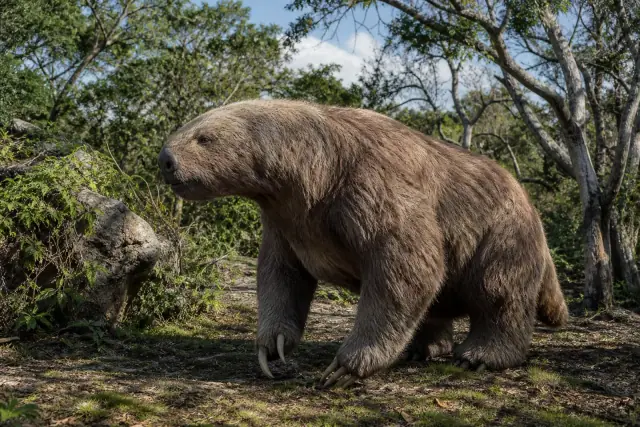
Megalocnus rodens
Megalocnus rodens was a large Cuban ground sloth that survived into the Holocene.
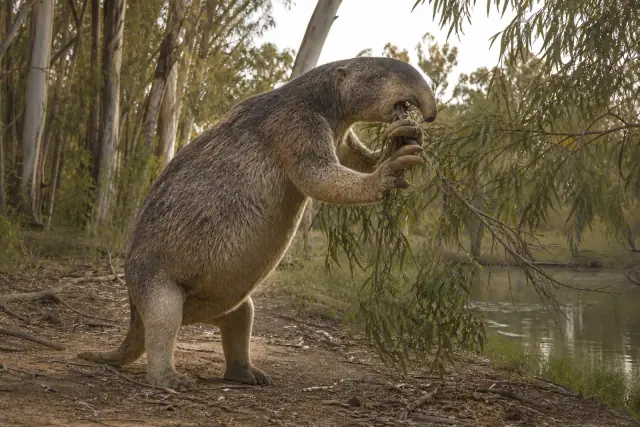
Palorchestes azael
A mobile snout, huge claws and strange forelimbs belonged to a marsupial unlike any tapir.
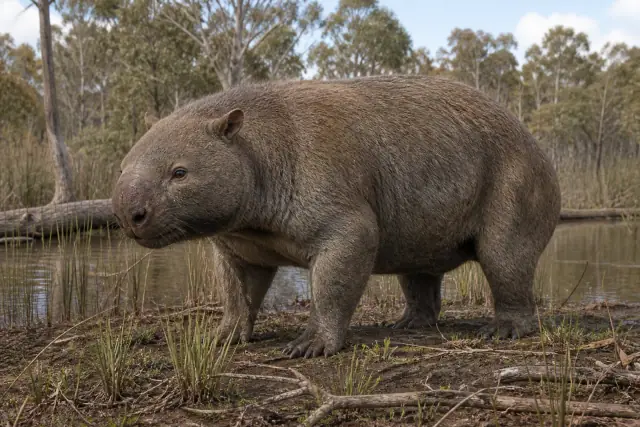
Zygomaturus trilobus
A cow-sized wombat relative carried a broad snout and heavy limbs.
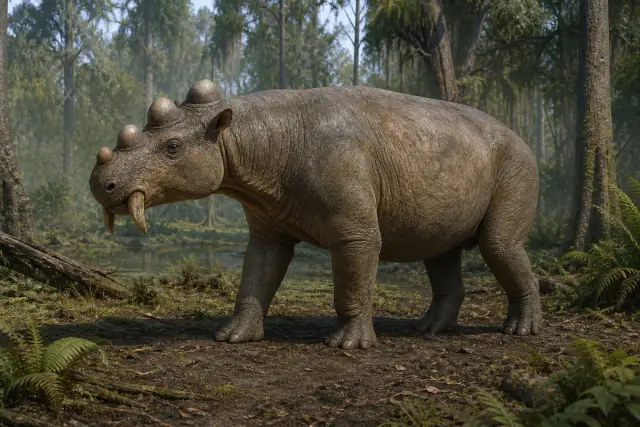
Eobasileus cornutus
Three pairs of skull bosses and long canines crowned a rhino-sized herbivore.
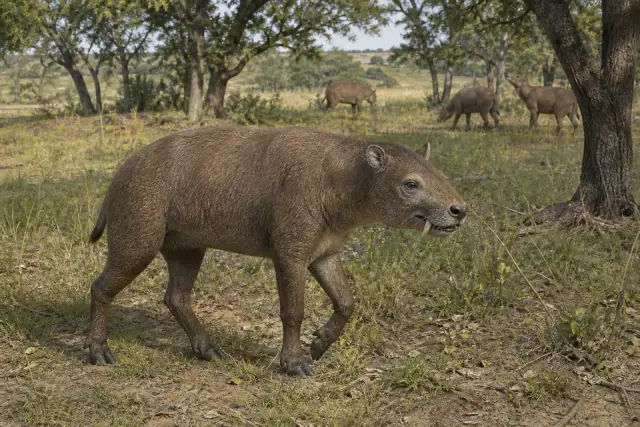
Merycoidodon culbertsonii
A short face, tusk-like canines and grinding cheeks marked a herd-forming artiodactyl relative.
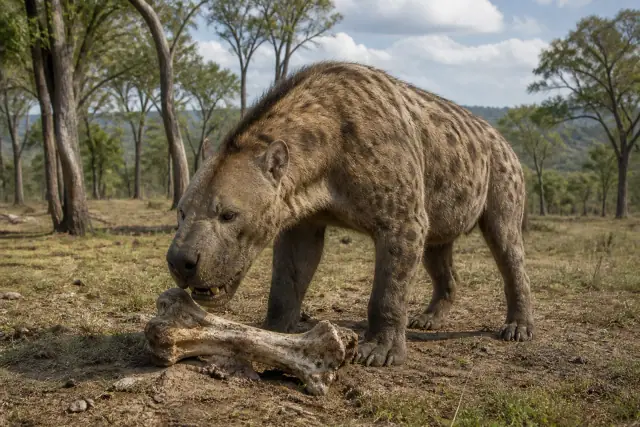
Dinocrocuta gigantea
Massive jaws and rounded carnassials crushed bone, though it was not a modern hyena.
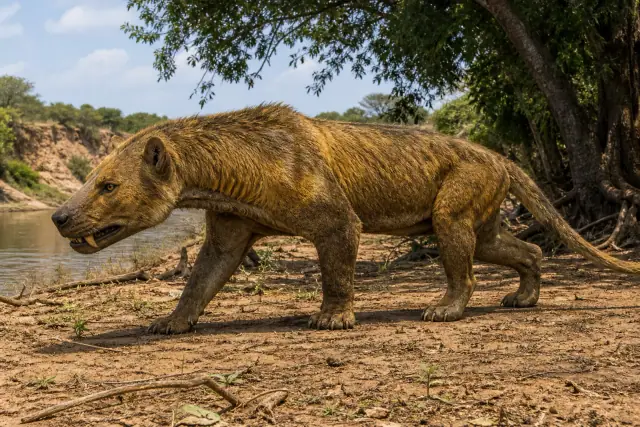
Simbakubwa kutokaafrika
Huge cutting teeth came from a hyaenodont predator heavier than a modern lion.
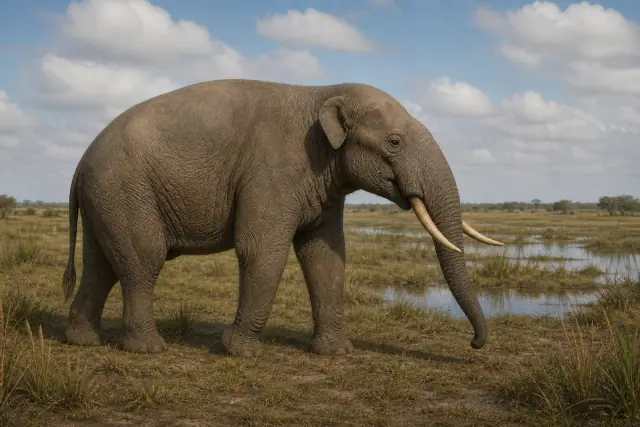
Notiomastodon platensis
A flexible proboscidean crossed many habitats and ate mixed vegetation.
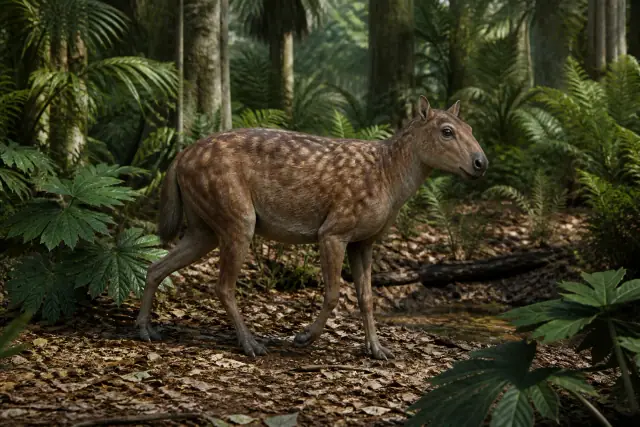
Propalaeotherium hassiacum
This fox-sized perissodactyl was a palaeothere relative, not a direct horse ancestor.
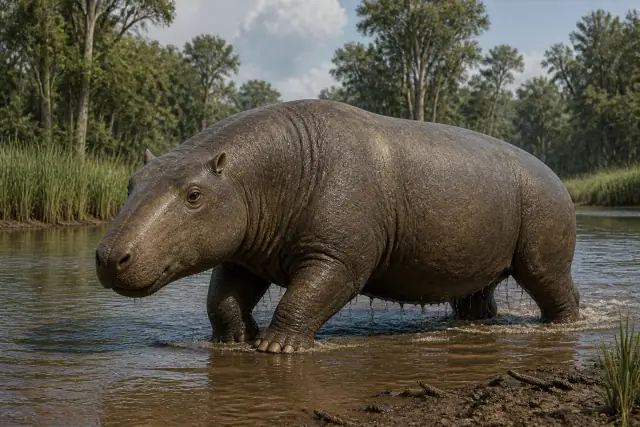
Metamynodon planifrons
Short legs, a broad body and high-set eyes adapted a hornless rhinoceros relative to semiaquatic life.
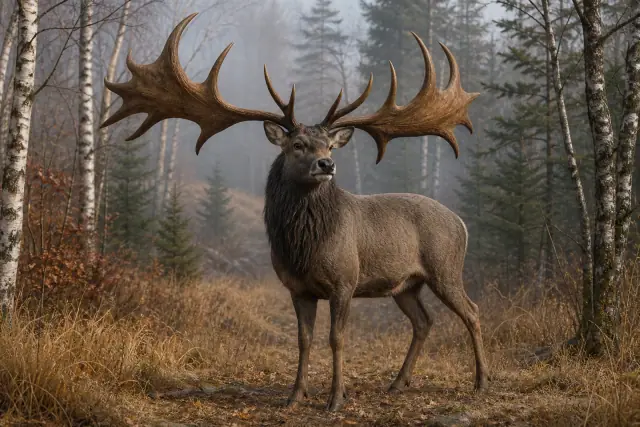
Sinomegaceros yabei
Palmate branching antlers made this East Asian giant deer especially conspicuous.
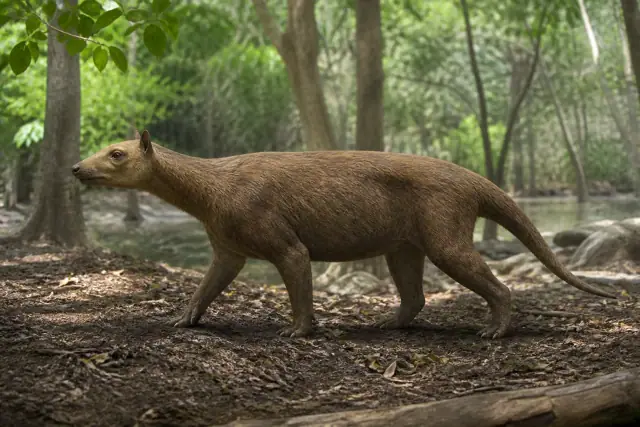
Phenacodus primaevus
Five-toed feet and generalized teeth record an early radiation of hoofed-mammal relatives.
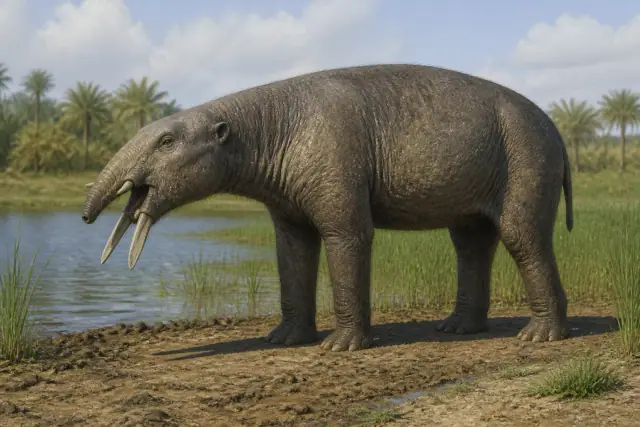
Palaeomastodon beadnelli
A short trunk and upper and lower tusks mark an early stage of proboscidean evolution.
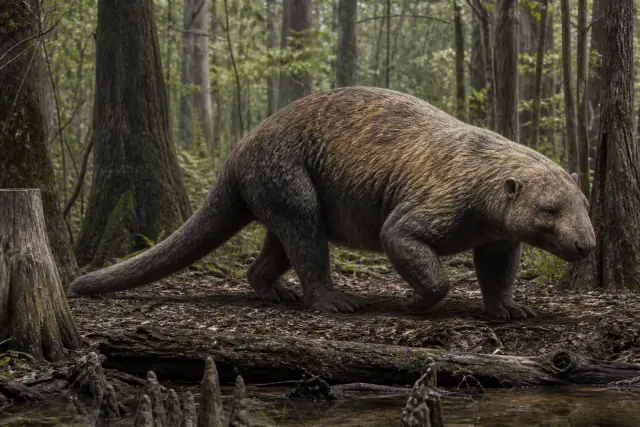
Barylambda faberi
A bear-sized heavy body and five-toed feet belonged to a pantodont herbivore.
Explore the atlas by continent, country and state. Follow fossil localities into regional guides, compare animals across time and return to the evidence in each species profile.
FIELD GUIDES
Giants, strange body plans and lives within human memory. Follow a question into the atlas, then explore the animals behind it.