83Paleozoic
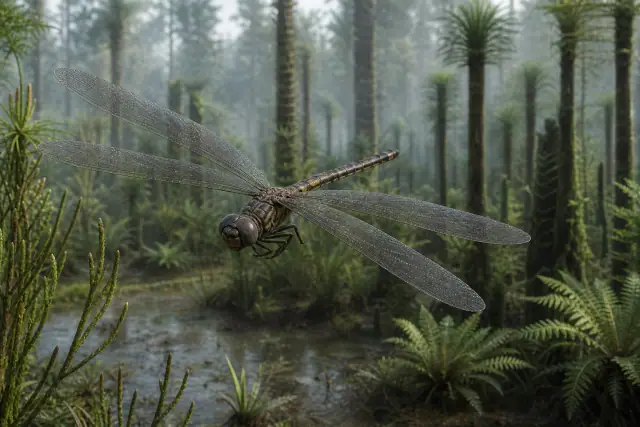
Meganeura
Meganeura monyi
This griffinfly’s wings spanned roughly seventy centimeters above Carboniferous forests.
LIFE ARCHIVE
Browse extinct life from traces nearly 1.9 billion years old to historically recorded extinctions.
Meganeura monyi
This griffinfly’s wings spanned roughly seventy centimeters above Carboniferous forests.
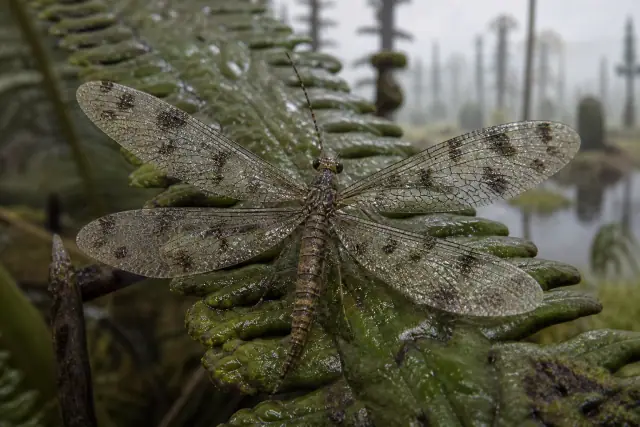
Delitzschala bitterfeldensis
A patterned wing only about two centimeters across pushes the secure record of insect flight into the Early Carboniferous.
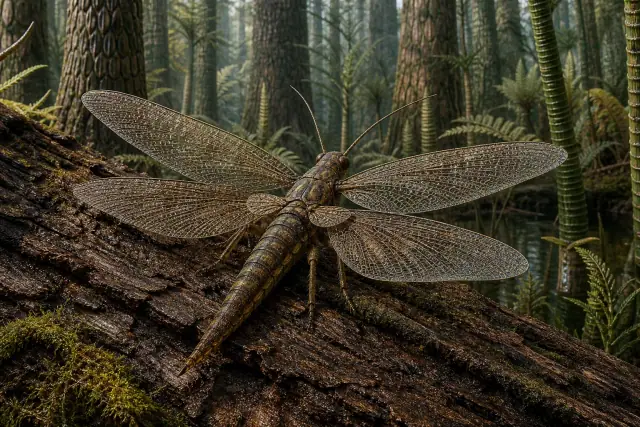
Stenodictya lobata
Beyond four wings packed with netlike veins, the thorax carried a pair of small immobile winglets.
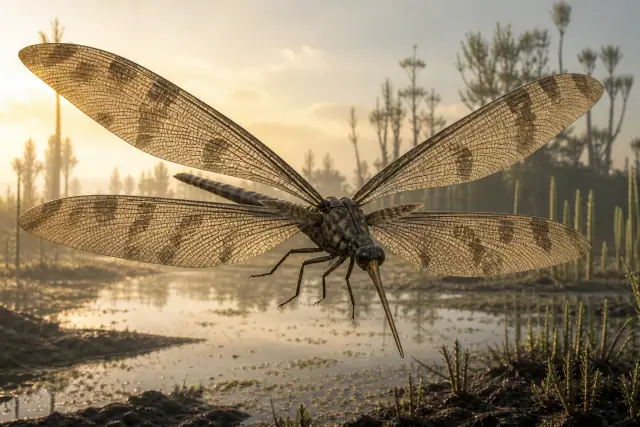
Mazothairos enormis
Scaling from the surviving giant wing suggests a four-winged span near half a meter, among the largest palaeodictyopterans known.
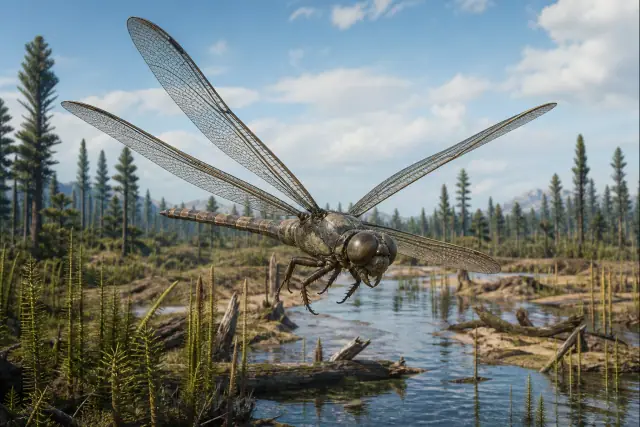
Meganeuropsis permiana
The largest estimates reach a 71-centimeter wingspan, placing it among the biggest flying insects in Earth history.
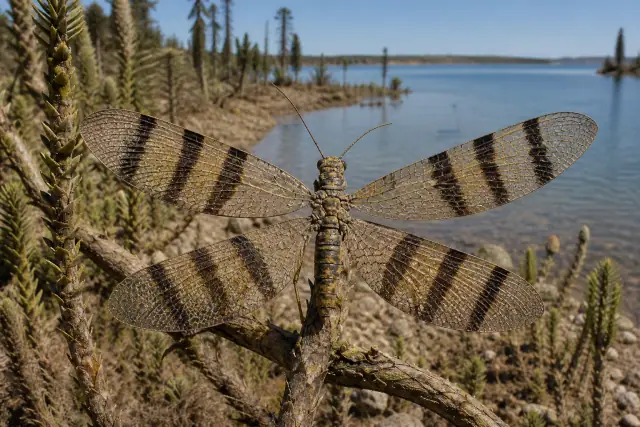
Dunbaria fasciipennis
Banded dark patterns remain on its fossil wings, returning color pattern to a Permian insect rather than a blank outline.
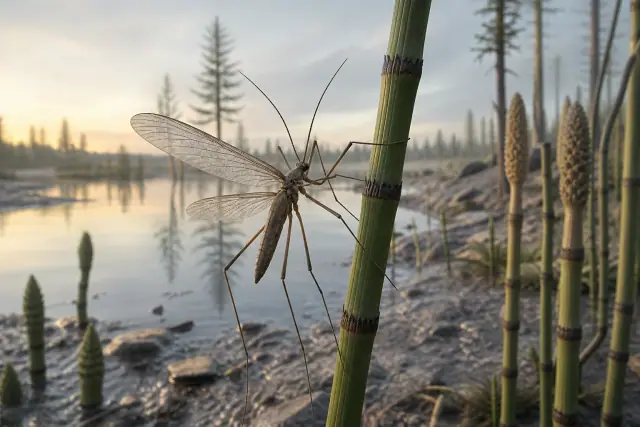
Permotipula patricia
A wing resembling that of a crane fly was once treated as an early dipteran clue, but its true affinity remains disputed.
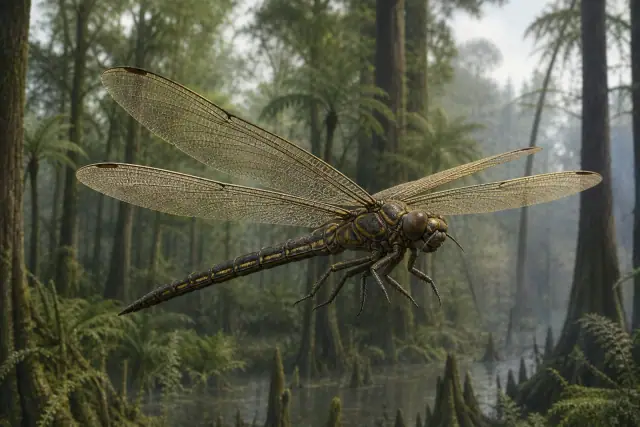
Erasipteron larischi
Broad net-veined wings carried an early aerial predator through oxygen-rich forests.
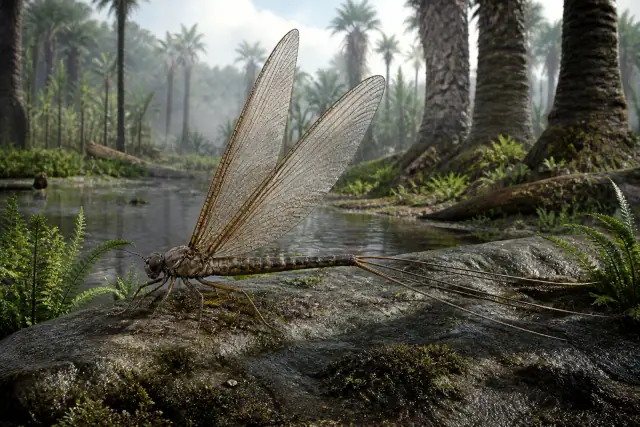
Bojophlebia prokopi
Huge triangular wings and long tail filaments belonged to a giant mayfly relative.
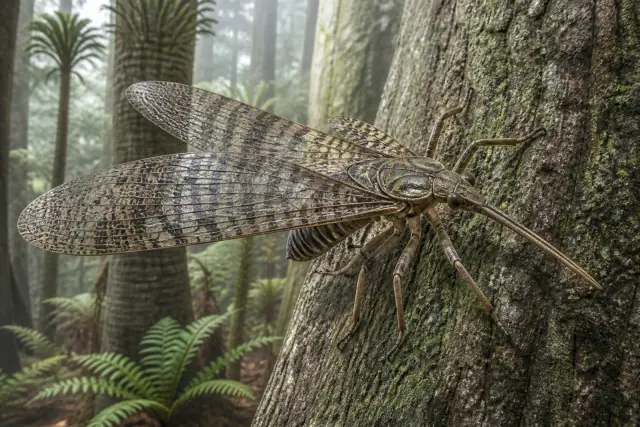
Homoioptera woodwardi
Thoracic winglets accompanied four large wings in an extinct flight architecture.
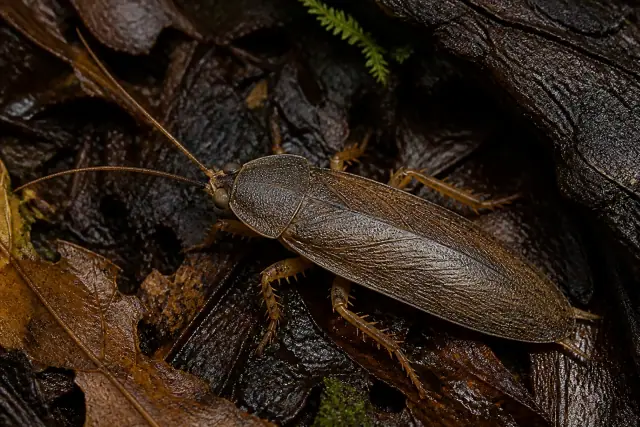
Archimylacris eggintoni
A shield-like pronotum and flat wings mark an early cockroach-mantis relative.
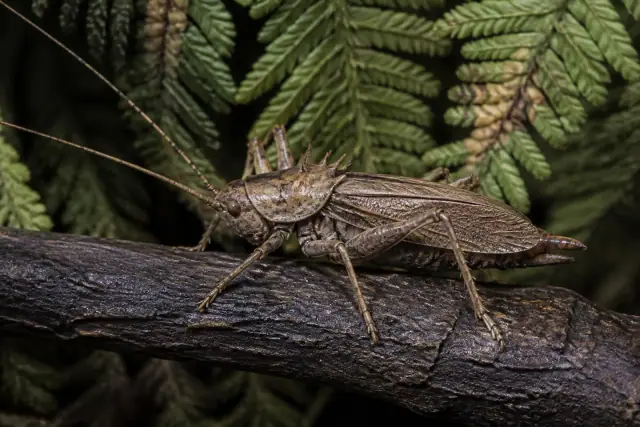
Gerarus danae
An enlarged prothorax carried a row of prominent spines.
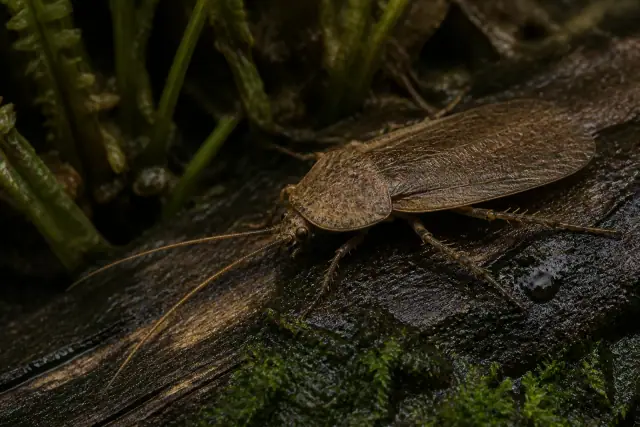
Qilianiblatta namurensis
Its wing venation pushes the cockroach-like pattern deep into the Carboniferous.
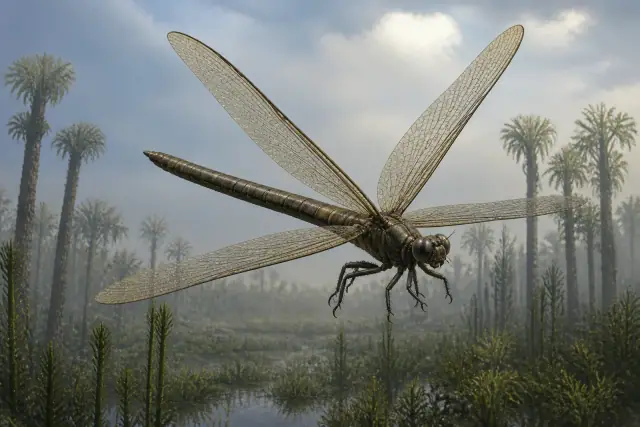
Megatypus schucherti
A wingspan near half a meter made it a major aerial predator.
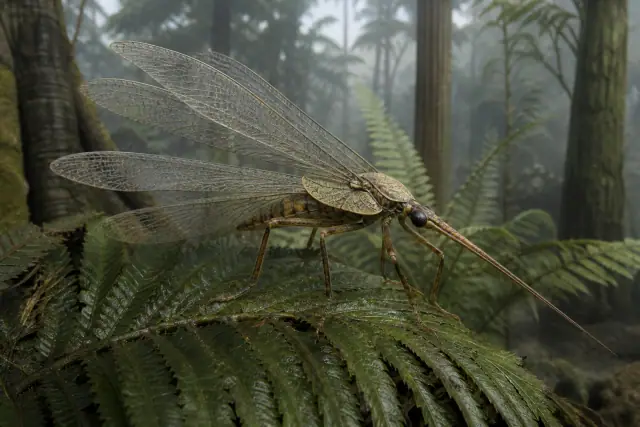
Lithomantis carbonarius
Leaf-like thoracic lobes accompanied four functional wings.
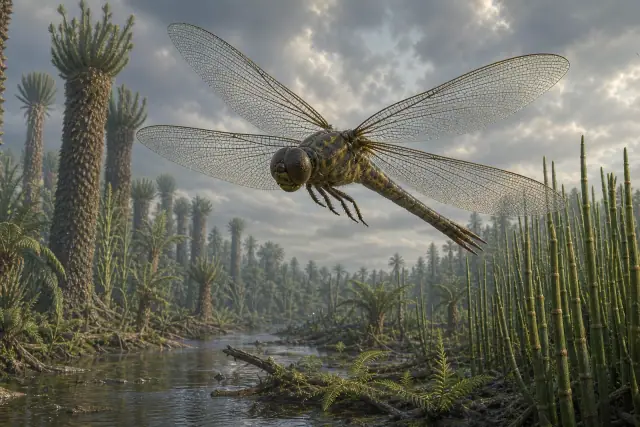
Meganeurula selysii
Smaller than Meganeura but still broad-winged, this griffinfly hunted above coal forests.
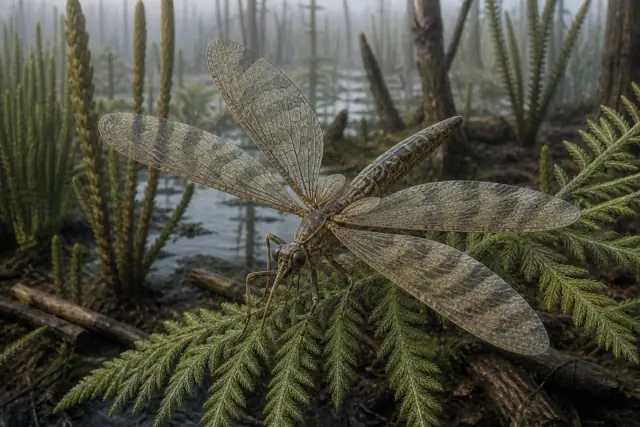
Boltonocosta elongata
A long piercing mouthpart and four patterned wings belonged to the vanished palaeodictyopterans.
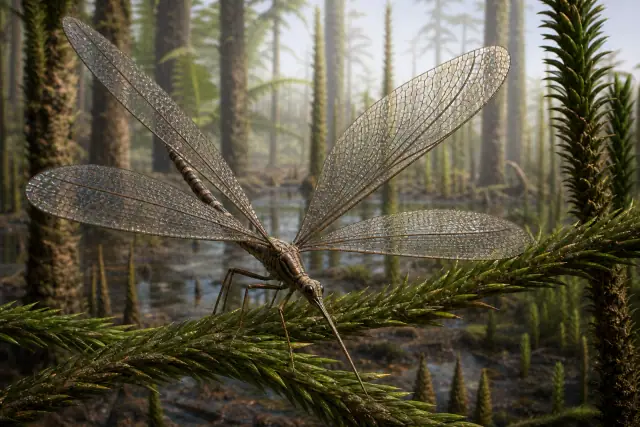
Lithoneura lameerei
Four broad net-veined wings belonged to the completely vanished palaeodictyopterans.
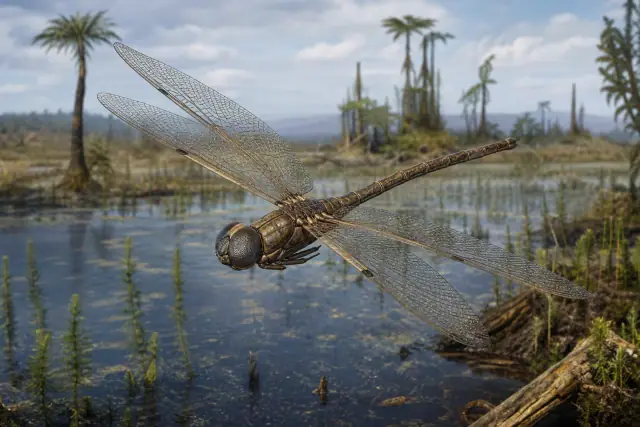
Eugeropteron lunatum
A basal odonatopteran retained a more primitive wing base than modern dragonflies.
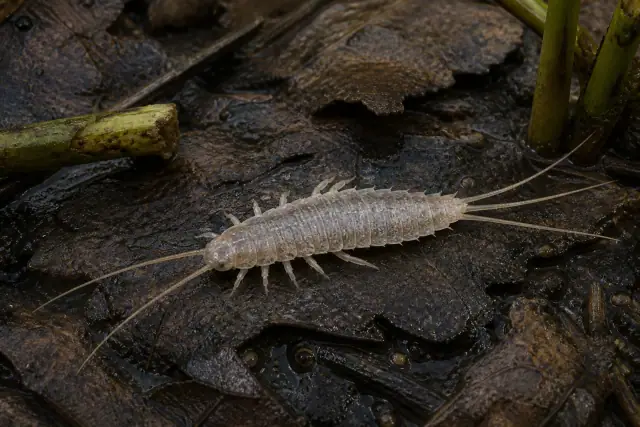
Carbotriplura kukalovae
A wingless body ended in three tail filaments and combined traits of early silverfish-like insects.
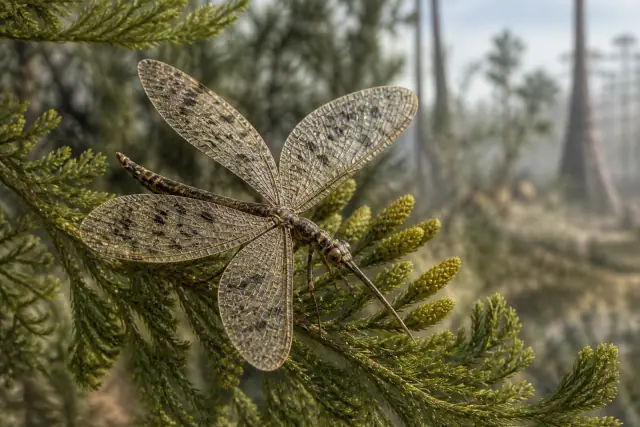
Tchirkovaea guttata
Spotted wings and fine venation record Permian palaeodictyopteran diversity.
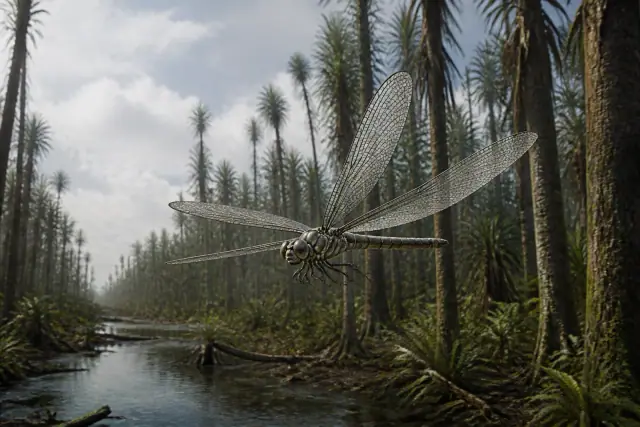
Brodioptera stricklani
Long transparent net-veined wings record an early radiation of large flying insects.
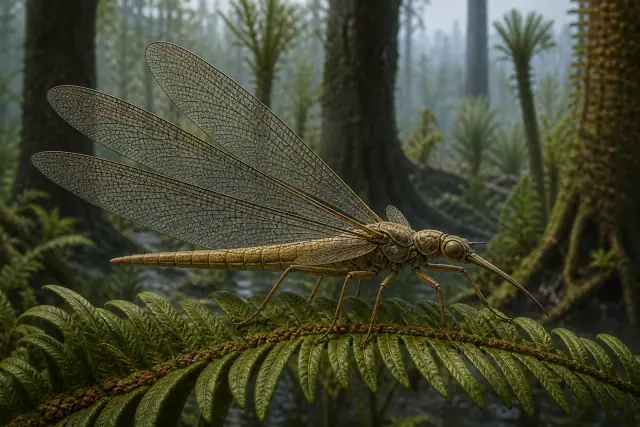
Palaeodictyoptera
Two pairs of net-veined wings could not fold, and some species carried thoracic winglets and piercing mouthparts.
Explore the atlas by continent, country and state. Follow fossil localities into regional guides, compare animals across time and return to the evidence in each species profile.
FIELD GUIDES
Giants, strange body plans and lives within human memory. Follow a question into the atlas, then explore the animals behind it.