133Recently extinct
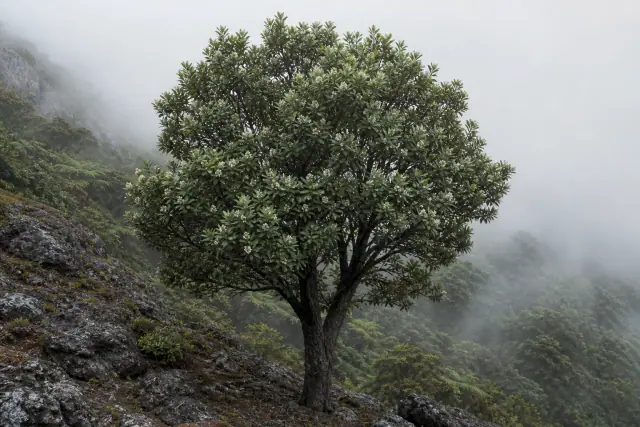
Saint Helena Olive
Nesiota elliptica
It was not a true olive; the last wild tree died in 1994 and its last cultivated descendant in 2003.
LIFE ARCHIVE
Browse extinct life from traces nearly 1.9 billion years old to historically recorded extinctions.
Nesiota elliptica
It was not a true olive; the last wild tree died in 1994 and its last cultivated descendant in 2003.
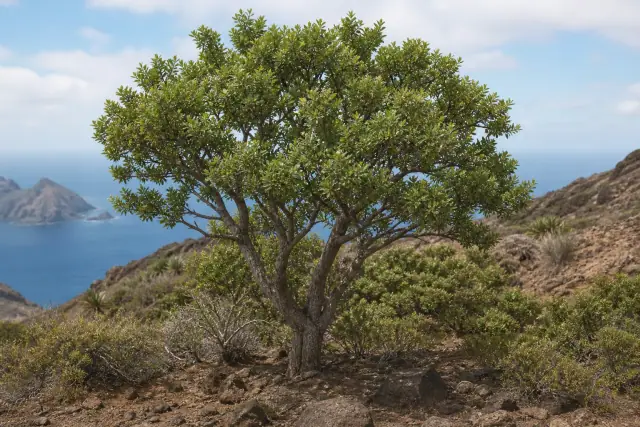
Santalum fernandezianum
Demand for fragrant wood reduced this island tree to a final individual recorded in 1908.
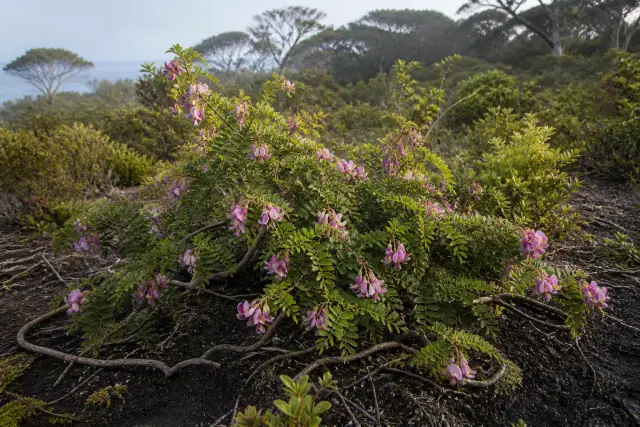
Streblorrhiza speciosa
Pink-purple pea flowers once carried this monotypic island plant into European glasshouses.
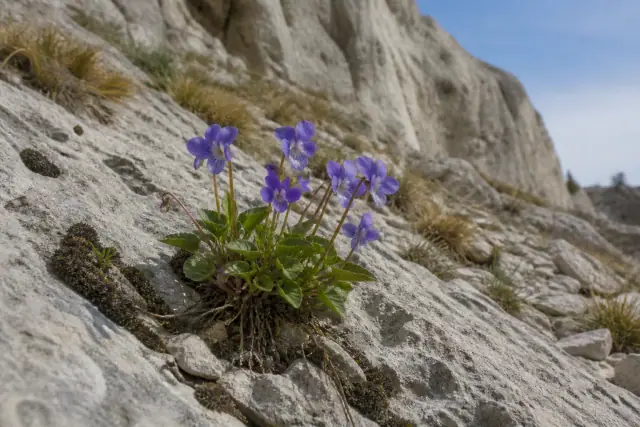
Viola cryana
This violet occupied one small patch of pale limestone before quarrying removed its habitat.
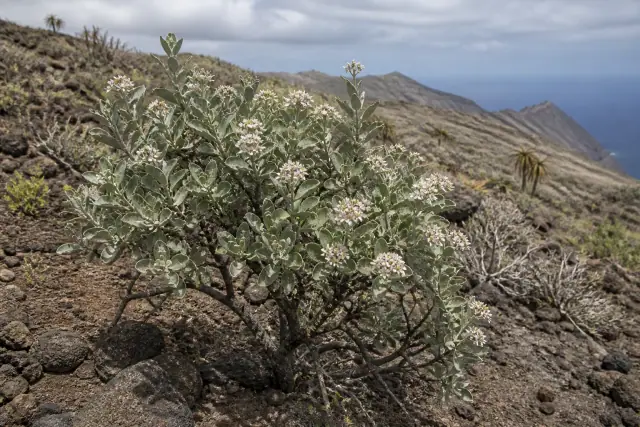
Trochetiopsis melanoxylon
Silvery hairy leaves and small pale flowers once covered dry slopes; the last reliable collection was made in 1771.
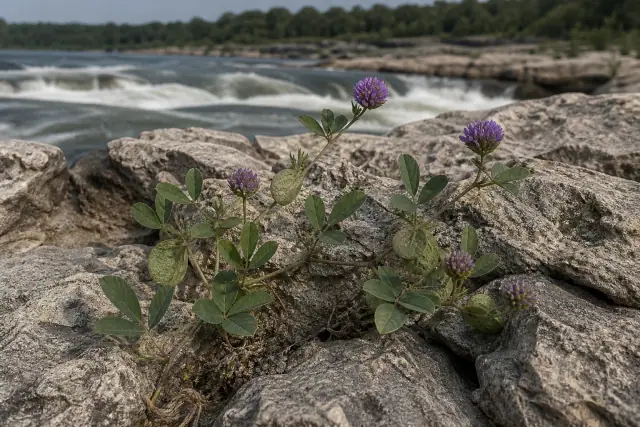
Orbexilum stipulatum
Purple pea flowers grew on one limestone river island, with the final herbarium collection made in 1881.
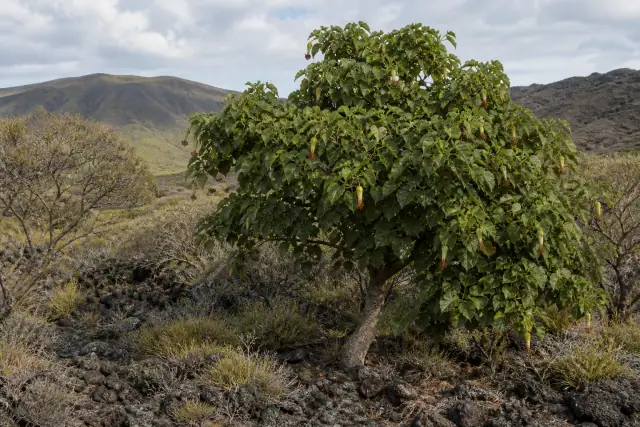
Hibiscadelphus wilderianus
The only scientifically recorded tree bore curved yellow-green tubular flowers probably adapted to Hawaiian honeycreepers.
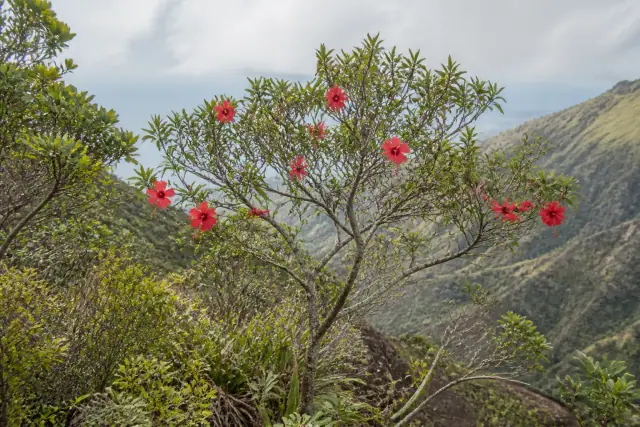
Kokia lanceolata
Narrow leaves and hibiscus-like red flowers were confined to southeastern Oʻahu and vanished within decades of discovery.
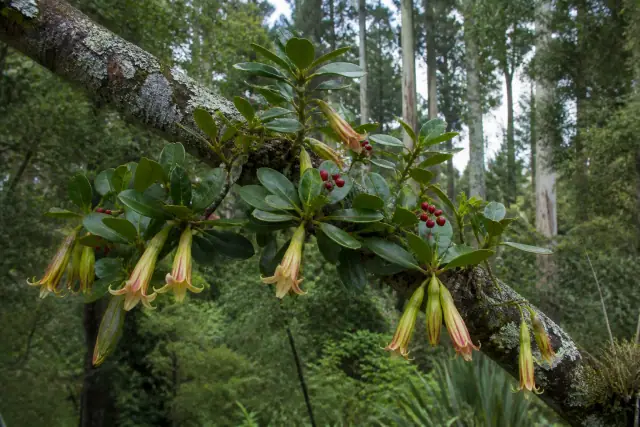
Trilepidea adamsii
Red-striped yellow-green tubular flowers opened among fleshy paired leaves; the last reliable sighting was in 1954.
Explore the atlas by continent, country and state. Follow fossil localities into regional guides, compare animals across time and return to the evidence in each species profile.
FIELD GUIDES
Giants, strange body plans and lives within human memory. Follow a question into the atlas, then explore the animals behind it.