
Prehistoric giants
Biggest Prehistoric Sea Creatures: Size & Fossil Evidence
Published · Editorial policy
The short answer
Giant ichthyosaurs, megalodon and Leedsichthys are among the leading examples. Their sizes come from very different fossils, so a single exact ranking would be misleading.
| Animal | Group | Size evidence |
|---|---|---|
| Ichthyotitan | Ichthyosaur reptile | Proposed length around 25 m from jaw scaling |
| Leedsichthys | Ray-finned fish | Large reconstructions around 16 m |
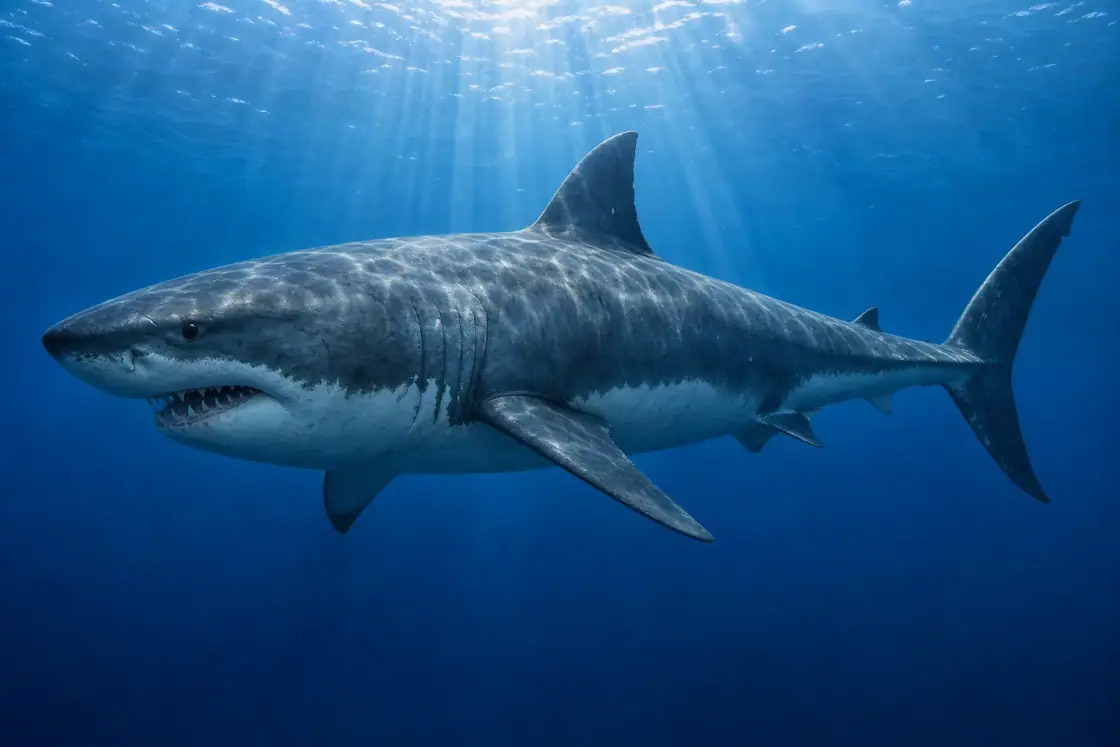
| Megalodon | Shark | Mostly teeth; body models vary |
| Mosasaurus | Marine squamate reptile | Skulls and skeletons; species and proportions matter |
Giant ichthyosaurs: an extraordinary but incomplete record
Ichthyotitan severnensis was described from very large Late Triassic jaw material in 2024. Scaling those bones against related ichthyosaurs suggested an animal around 25 metres long. This is a candidate for exceptional length, not a complete 25-metre skeleton, and the result depends on how similar the body proportions were.
Leedsichthys: a giant that filtered food
Leedsichthys was a Jurassic ray-finned fish. Reconstructions of large individuals approach 16 metres, but its skeleton is difficult to assemble because much of it was poorly ossified. Its filtering apparatus shows that a huge body need not come with a diet of equally huge prey.
Megalodon and Mosasaurus were different kinds of predator
Megalodon was a shark; Mosasaurus was an air-breathing marine reptile. Teeth, vertebrae and skeletons constrain their bodies in different ways. Neither was a dinosaur, and they did not share an ocean: mosasaurs vanished at the end of the Cretaceous, long before megalodon appeared.
Why the blue whale is a useful comparison
Modern whales provide a reminder that body mass and length answer different questions. Fossil marine giants also occupied different food webs and periods. Compare a specific metric and reconstruction rather than treating every large ocean animal as an equally massive super-predator.
What remains uncertain
The table is a selection rather than a precise ranking. Especially for jaw-only finds and sharks known mainly from teeth, length and mass remain model-dependent.
Related questions
Were the biggest sea reptiles dinosaurs?
No. Ichthyosaurs and mosasaurs were separate reptile lineages.
Did megalodon hunt Mosasaurus?
No. Their known fossil ranges are separated by tens of millions of years.
Sources & further reading
Meet the species
Keep exploring
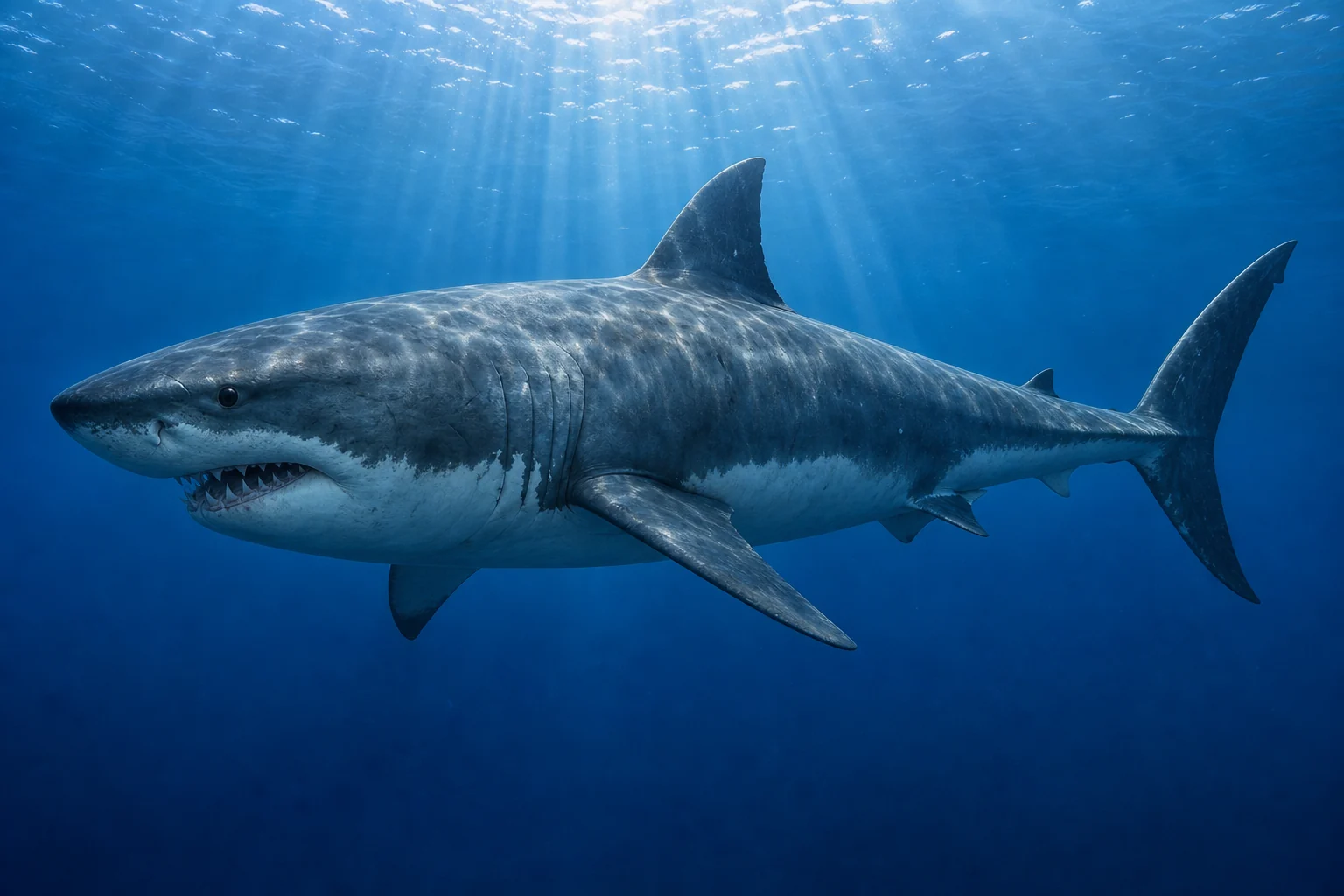
Is the megalodon really extinct?
Yes. Evidence supports extinction around 3.6 million years ago, and no living megalodon has been scientifically confirmed. Unexplored ocean does not itself provide evidence that this particular shark survives.
Read the answer ↗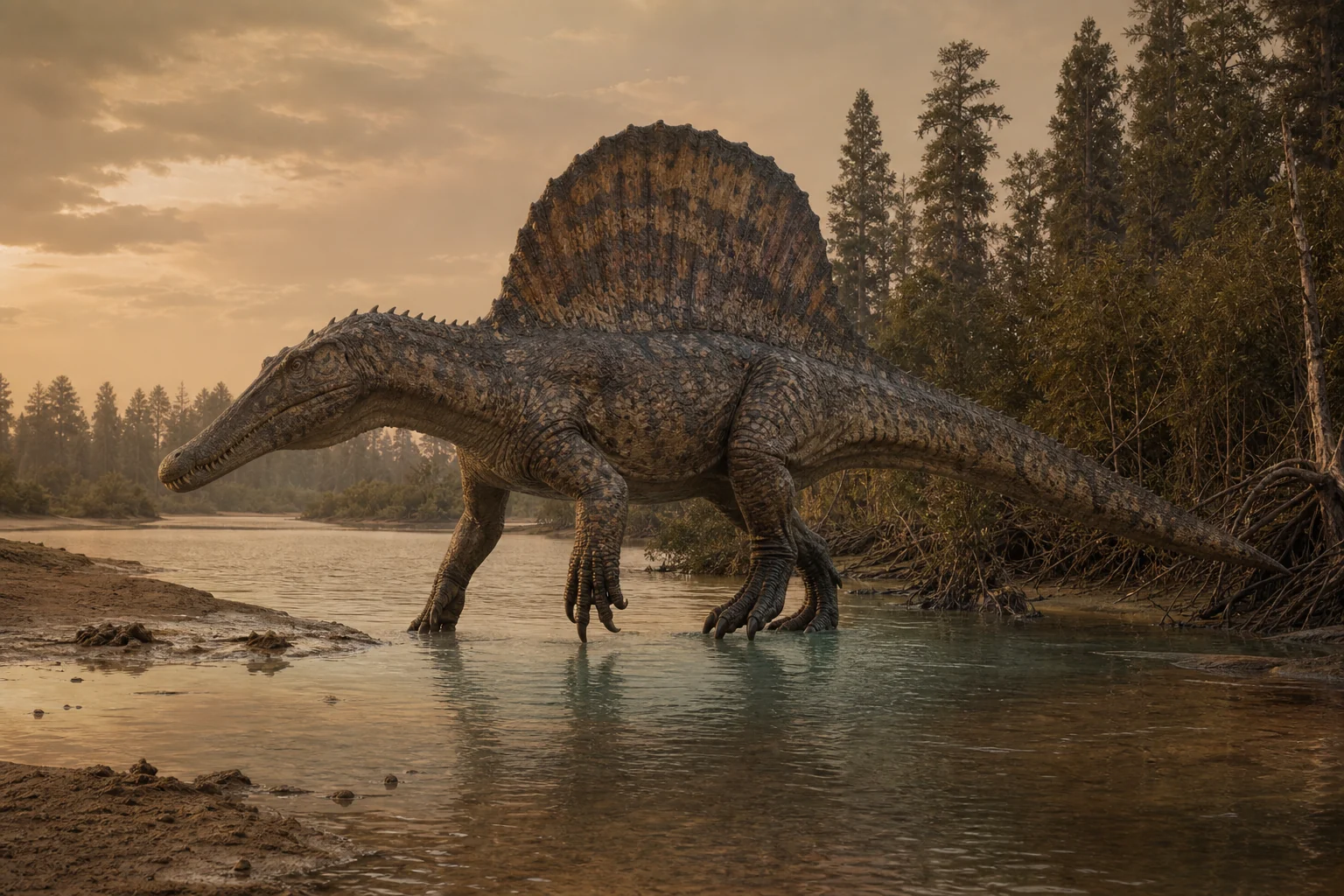
Biggest Carnivorous Dinosaurs: Length vs Weight
Spinosaurus and Giganotosaurus are leading candidates by length; large T. rex specimens are especially massive. The answer changes with the metric and the fossil individual.
Read the answer ↗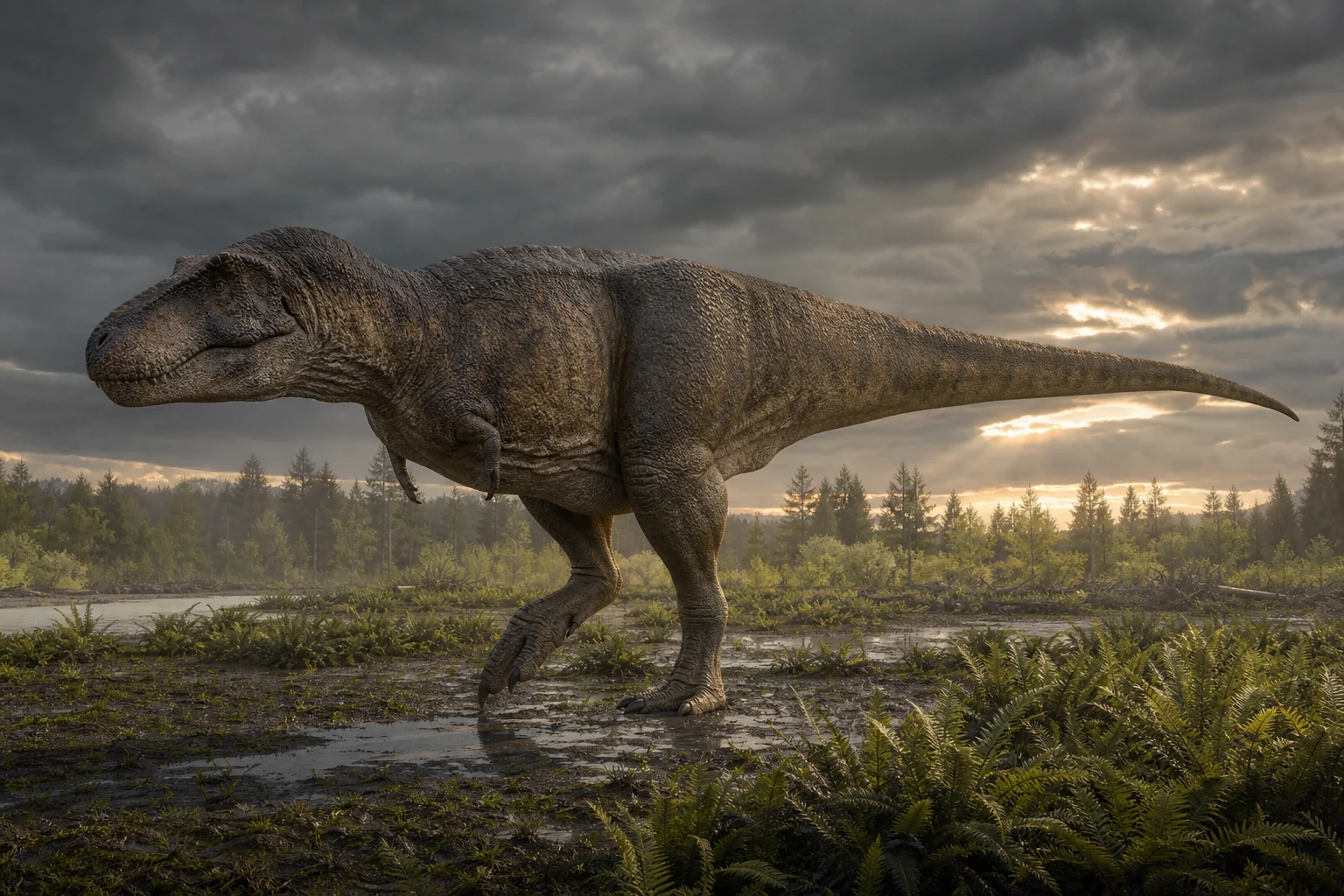
Dinosaurs Bigger Than T. rex: Length, Weight & Evidence
Giant sauropods such as Argentinosaurus and Dreadnoughtus exceeded T. rex in size. Some theropods were probably longer, but longer does not necessarily mean heavier.
Read the answer ↗