
Ancient lineages today
Prehistoric Animals Still Alive Today? Ancient Lineages Explained
Published · Editorial policy
The short answer
Coelacanths, tuatara, horseshoe crabs and birds belong to ancient lineages. They are living, evolving species, not unchanged individuals or proof that extinct dinosaurs still hide today.
| Living example | Ancient connection | Common mistake |
|---|---|---|
| Coelacanths | A long fossil history of lobe-finned fishes | Not every fossil species is alive |
| Tuatara | Surviving rhynchocephalian lineage | Not simply a primitive lizard |
| Horseshoe crabs | Ancient chelicerate lineage | Not true crabs or living trilobites |
| Birds | Living theropod dinosaurs | Not evidence that non-avian dinosaurs survive |
Coelacanths: rediscovery did not revive every fossil species
Living coelacanths became famous to science after a 1938 specimen was recognised. That discovery extended knowledge of a lineage previously known from fossils. It did not turn every extinct coelacanth species into a living one, and resemblance alone cannot establish species identity across millions of years.
Tuatara and horseshoe crabs need accurate labels
New Zealand tuatara are the living representatives of a reptile branch with a deep Mesozoic history. Horseshoe crabs belong with chelicerates rather than true crabs. Both connect us with ancient diversity, but a persistent body plan does not imply genetic, ecological or species-level stasis.
Birds are the dinosaurs around us
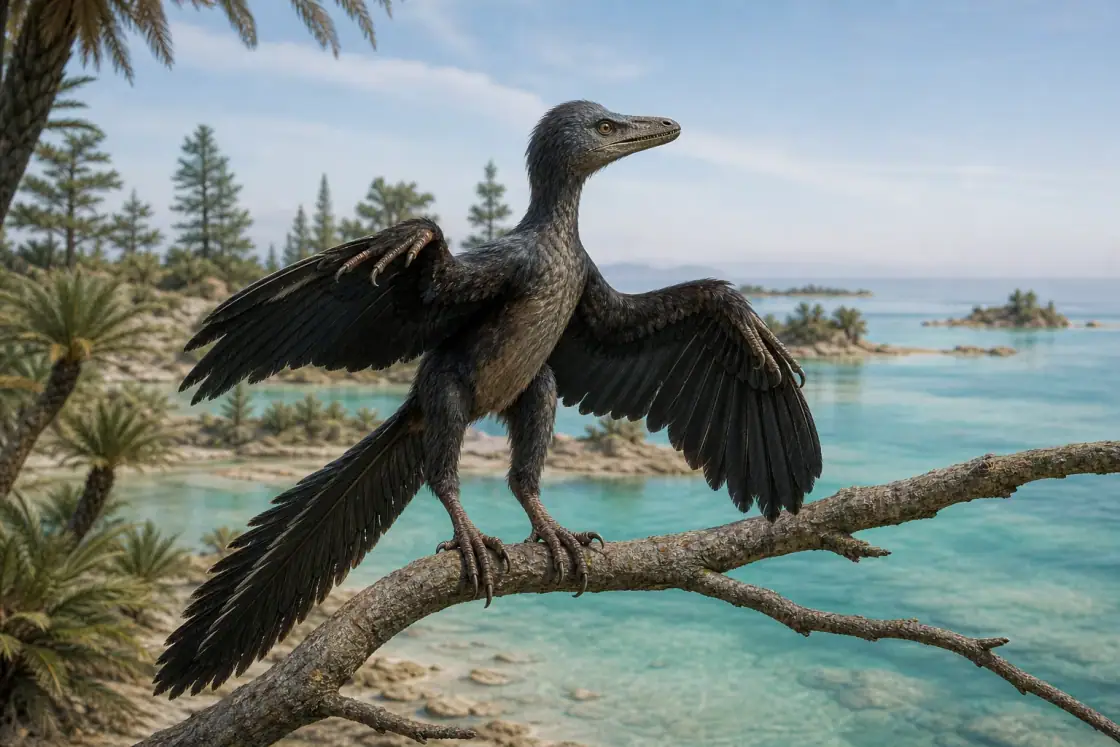
Birds are nested within theropod dinosaurs. Archaeopteryx helps illustrate early avialan anatomy, but Archaeopteryx itself is extinct. A modern bird is a living descendant within Dinosauria, not an unchanged Jurassic bird or evidence of a hidden population of T. rex.
Use living fossil as a starting question
Ask which features persist, what changed and whether the claim concerns a species or a larger lineage. Trilobites and sea scorpions are extinct comparisons in this atlas, not living horseshoe crabs. The fossil profiles below help explain anatomical relationships without adding living species to an extinct-species catalogue.
What remains uncertain
Ancient lineage ages and modern species ages are different. Similar appearance alone cannot measure how much evolution has occurred.
Related questions
Are any non-avian dinosaurs alive?
There is no credible evidence for surviving non-avian dinosaurs. Birds are the living dinosaur branch.
Are horseshoe crabs living trilobites?
No. They are different arthropod groups; a similar armoured outline does not make them the same animal.
Sources & further reading
Meet the species
Keep exploring
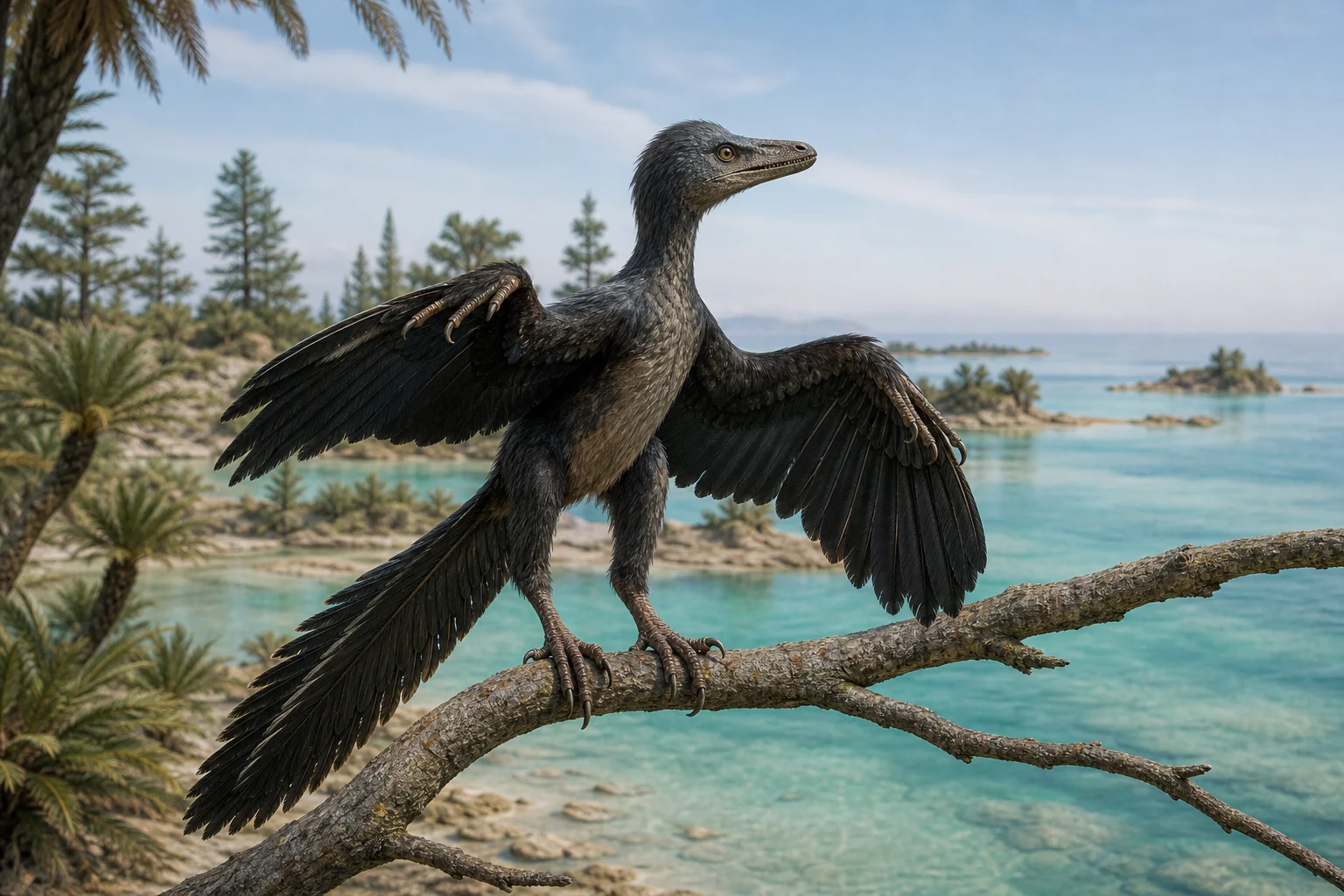
Why did birds survive the dinosaur extinction?
Birds are dinosaurs, and only some of their lineages survived the extinction about 66 million years ago. Small bodies, food options and less dependence on trees may have helped. Flight alone does not explain survival: many ancient birds disappeared too, and the relative importance of each factor remains debated.
Read the answer ↗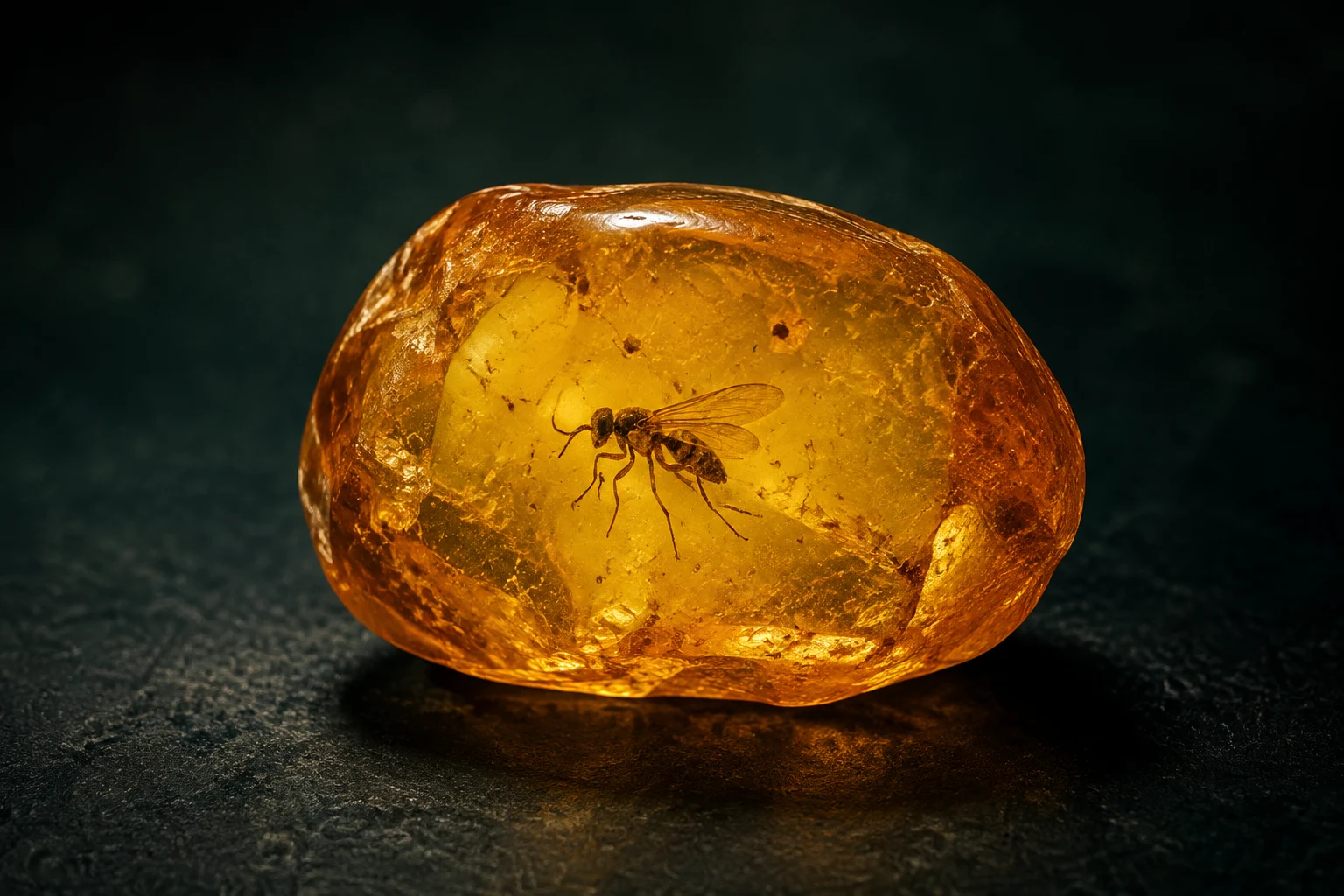
Could DNA from amber bring dinosaurs back?
No verified method currently provides a usable, complete non-avian dinosaur genome from amber. An insect can retain its shape after its DNA has degraded. Even a hypothetical complete sequence would not by itself provide the cells, embryo development and reproductive system needed to produce a living animal.
Read the answer ↗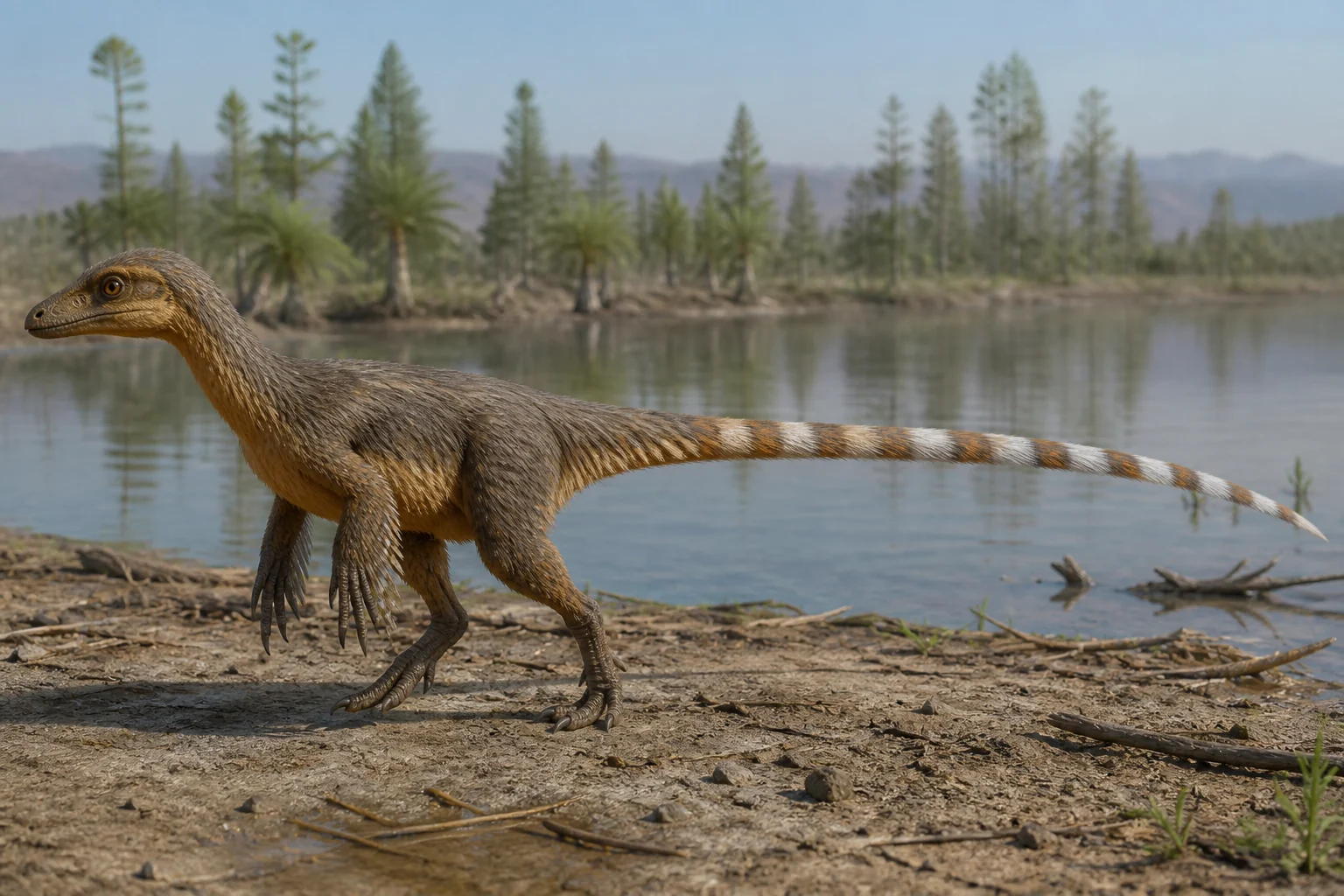
Did Dinosaurs Have Feathers? Fossils, Scales & Flight
Yes. Fossils show feathers or feather-like filaments in several dinosaur lineages, and birds are living feathered dinosaurs. That does not mean every extinct dinosaur was covered in plumage. Preserved feathers, scales and attachment marks answer different questions about particular animals.
Read the answer ↗