
Bringing species back
Can extinct animals be brought back?
Published · Editorial policy
The short answer
Partly. Cloning can sometimes recover an individual from preserved cells, while breeding and gene editing can reconstruct selected traits. Neither achievement automatically restores an extinct species as a healthy, reproducing wild population.
Three approaches, different outcomes
The IUCN distinguishes selective breeding, cloning and genome engineering. Breeding selects existing traits. Cloning uses a preserved cell nucleus and appropriate reproductive techniques. Genome engineering edits a living relative to recover selected extinct traits. The term proxy avoids implying a perfect recreation: resembling an extinct animal, sharing its genetics and performing its ecological role are different outcomes.
The ibex clone was a birth, not a recovery
Researchers cloned a Pyrenean ibex subspecies, the bucardo, from cells preserved before its extinction. Their 2009 paper reported one live female whose nuclear DNA matched the donor cells. She died within minutes because of lung defects. This was a real reproductive milestone, with an equally real limitation: no surviving breeding population resulted. It shows why a birth announcement and a conservation recovery must be assessed separately.
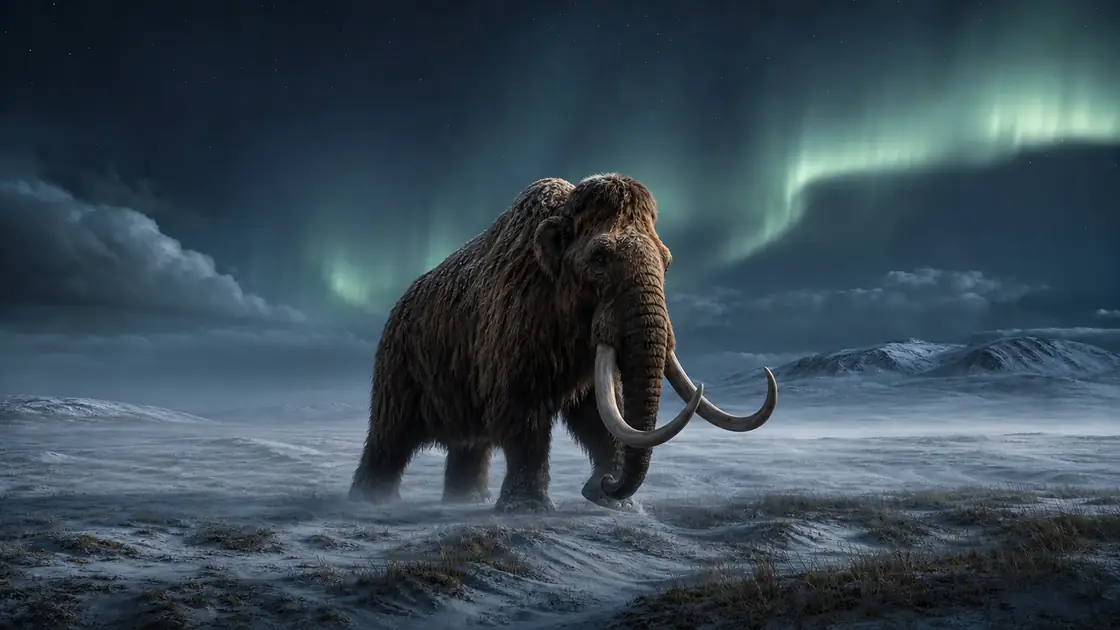
What a mammoth project is actually trying to make
Colossal describes its target more specifically as a cold-resistant elephant carrying core mammoth traits. Its proposed process edits elephant cells and would require embryo development and a surrogate pregnancy. The company's woolly-mouse work tests selected traits in another species; it does not produce a mammoth. At this page's September 2026 review, its published target for first calves remained 2028. That is a company projection, not a demonstrated birth or a restored mammoth population.
What remains uncertain
Reviewed on 3 September 2026. Project schedules can change. Claims should identify the stage actually demonstrated: edited cells, live animals, successful reproduction or an established population.
Related questions
Were the announced dire wolves the original species restored?
That claim is disputed. In April 2025, the IUCN Canid Specialist Group described the work as editing grey-wolf cells to produce genetically modified animals. Resemblance alone does not establish restoration of the extinct lineage.
Has cloning already helped a living endangered species?
Yes. The U.S. Fish and Wildlife Service reported that cloned black-footed ferret Antonia produced two healthy offspring in 2024. This is evidence of conservation breeding in an existing species, rather than reversal of an extinction.
Sources & further reading
- IUCN SSC (2016), Guiding principles on creating proxies of extinct species for conservation benefit ↗
- Folch et al. (2009), First birth of an animal from an extinct subspecies by cloning ↗
- Colossal: Woolly mammoth project and proposed process ↗
- Colossal: Woolly mouse research and mammoth project targets ↗
- IUCN SSC Canid Specialist Group (2025): Conservation perspectives on gene editing in wild canids ↗
- U.S. Fish and Wildlife Service (2024): New offspring from a cloned black-footed ferret ↗
Meet the species
Keep exploring
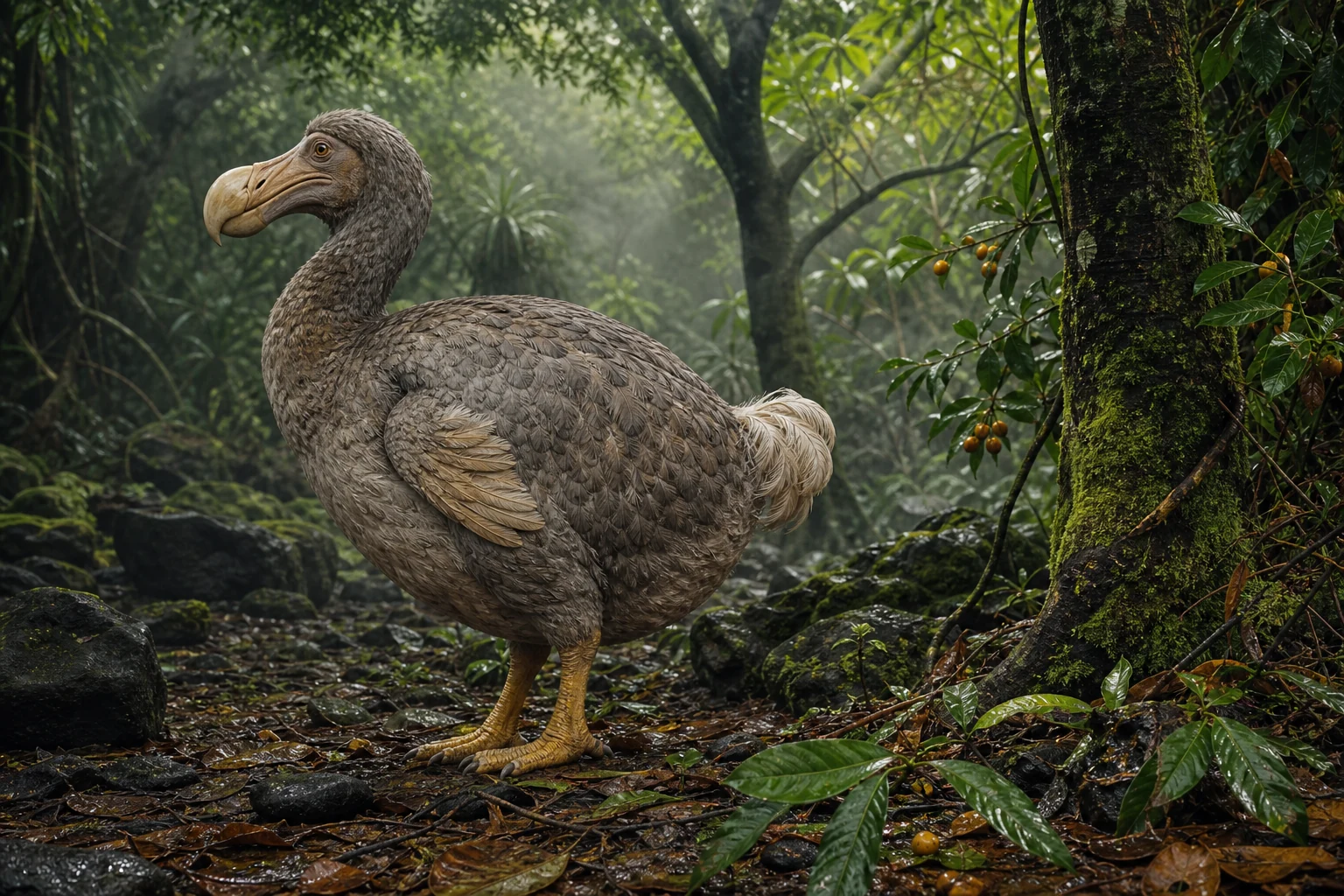
When and why did the dodo go extinct?
The last reliable sighting, uncertainty about the final date, hunting and introduced animals.
Read the answer ↗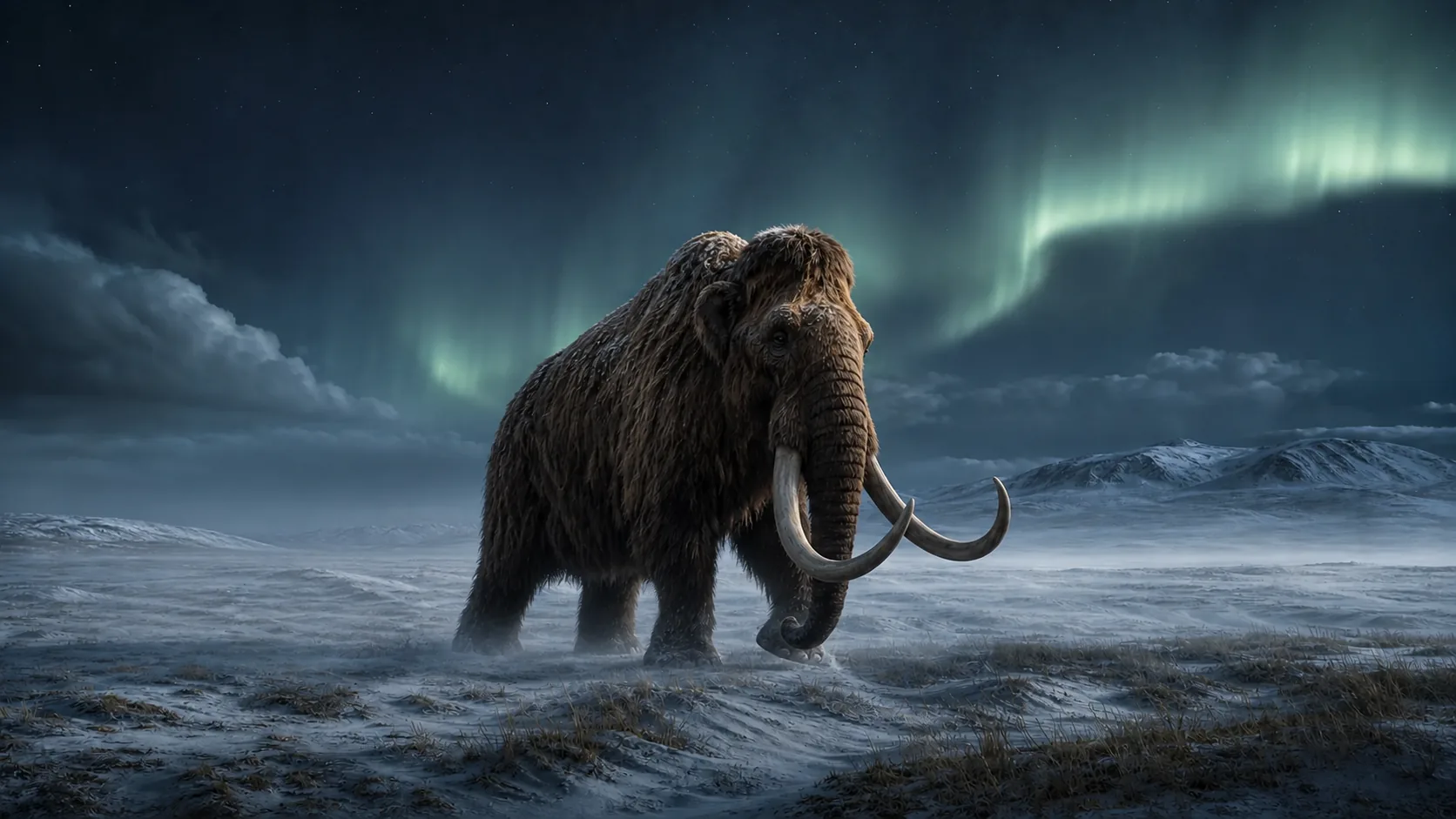
Why did woolly mammoths go extinct?
Climate, human pressure and the last island populations.
Read the answer ↗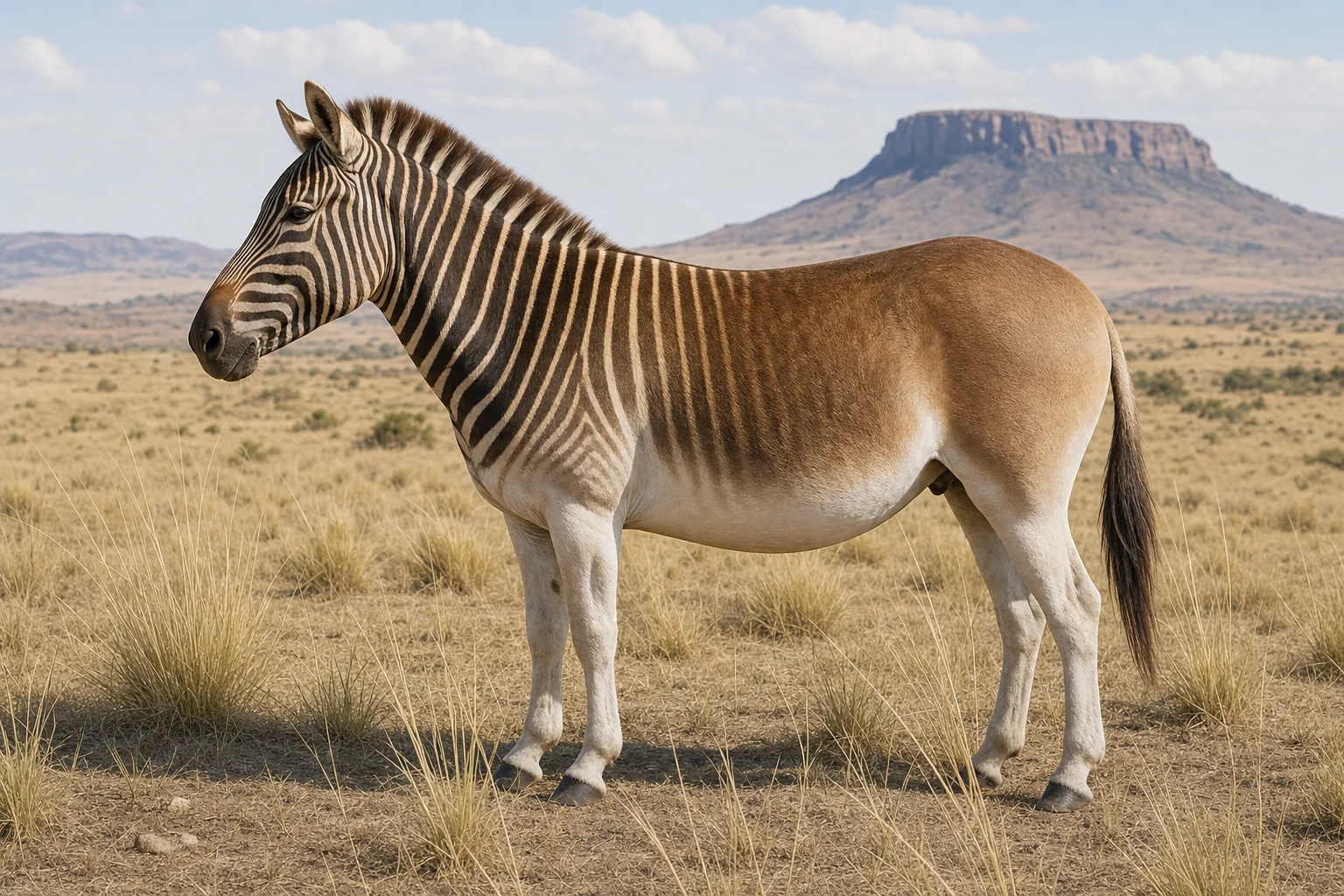
What are some of the most recently extinct animals?
Explore recent losses, with last-record dates kept distinct from extinction dates.
Read the answer ↗