
Species comparisons
Stegosaurus vs Ankylosaurus: Armour, Tail & Time Period
Published · Editorial policy
The short answer
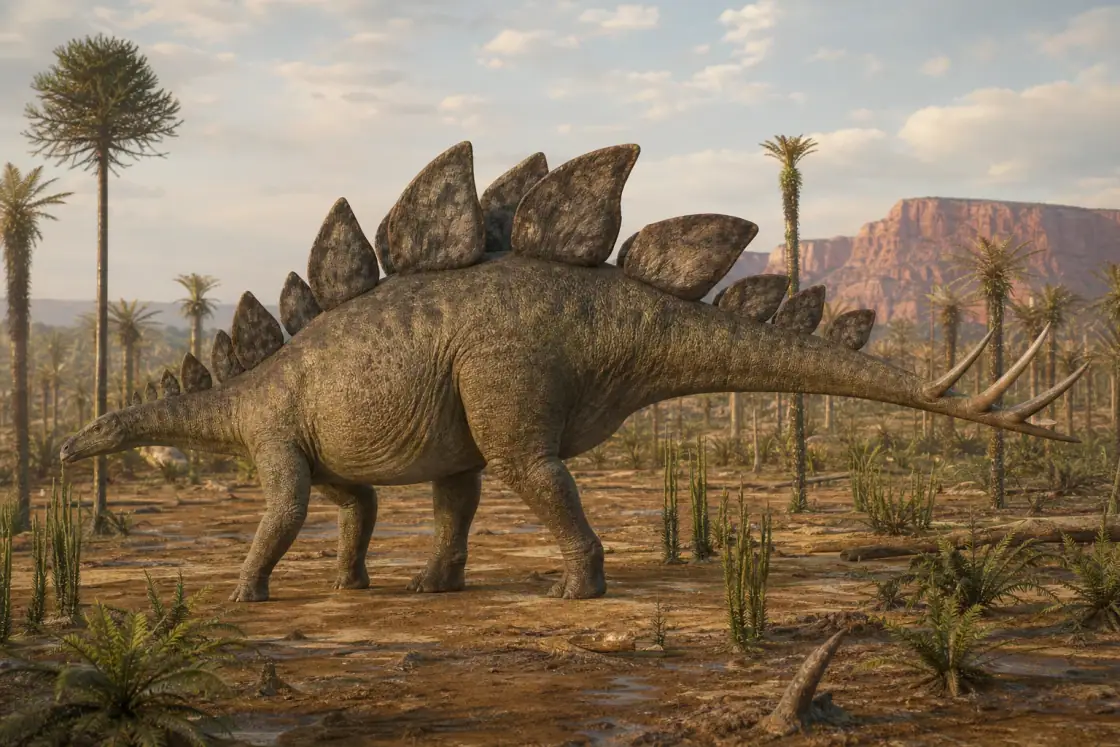
Stegosaurus had tall back plates and a spiked tail; Ankylosaurus had extensive bony armour and a tail club. Both were plant-eating armoured dinosaurs, but they belonged to different branches and lived tens of millions of years apart. They never faced each other in a real ecosystem.
| Feature | Stegosaurus | Ankylosaurus |
|---|---|---|
| Time | Late Jurassic | Latest Cretaceous |
| Back | Tall plates | Low bony armour |
| Tail end | Long spikes | Bony club |
| Diet | Plants | Plants |
| Branch | Stegosaurs | Ankylosaurs |
Plates and armour are different arrangements
Stegosaurus is identified by its conspicuous plates rising along the back. Ankylosaurus had a low body protected by bony elements in the skin, including armour around the head. Both belong within Thyreophora, the armoured dinosaur branch, but Stegosaurus is a stegosaur and Ankylosaurus an ankylosaur. Similar protective tissue does not make them the same kind of animal, nor does it imply that every exposed body surface was invulnerable.
A spiked tail versus a tail club
Stegosaurus carried long spikes near the end of its tail. Ankylosaurus carried an expanded bony club supported by a specialised tail. These structures offer different ways to deliver a damaging strike, but a static skeleton does not provide a recorded fight or an exact impact force. Tail clubs are not a feature of every ankylosaur: relatives such as Sauropelta used a different arrangement of armour and lacked the familiar terminal club.
They lived in different chapters of the Mesozoic
Stegosaurus lived in the Late Jurassic; the Apex specimen is approximately 150 million years old. Ankylosaurus lived near the end of the Late Cretaceous. Putting their skeletons in the same museum hall or their profiles on one list compresses a vast interval of time. A comparison can explain anatomy, but it should not invent shared predators, a shared landscape or a direct contest between these two genera.
What is a useful size comparison?
Both were substantial quadrupedal herbivores, but a single maximum length or weight should not be treated as a measurement of every individual. Mounted skeletons may combine reconstructed and original material, and body mass is estimated from anatomy. For this pair, plate height, body profile and tail construction provide clearer distinctions than an unsupported winner-by-weight claim. Follow the individual species records for the specimens behind particular estimates.
What remains uncertain
Plate functions, soft-tissue coverings and defensive behaviour are reconstructed from several lines of evidence. The comparison describes supported anatomical differences, not a simulated fight result.
Related questions
Which would win in a fight?
There is no fossil-based answer to that hypothetical contest. They did not coexist, and anatomy alone cannot determine the outcome of an invented encounter.
Did every armoured dinosaur have a club?
No. Stegosaurus had spikes, while Sauropelta lacked a terminal club. Club-bearing ankylosaurs represent only part of armoured dinosaur diversity.
Sources & further reading
Meet the species
Keep exploring
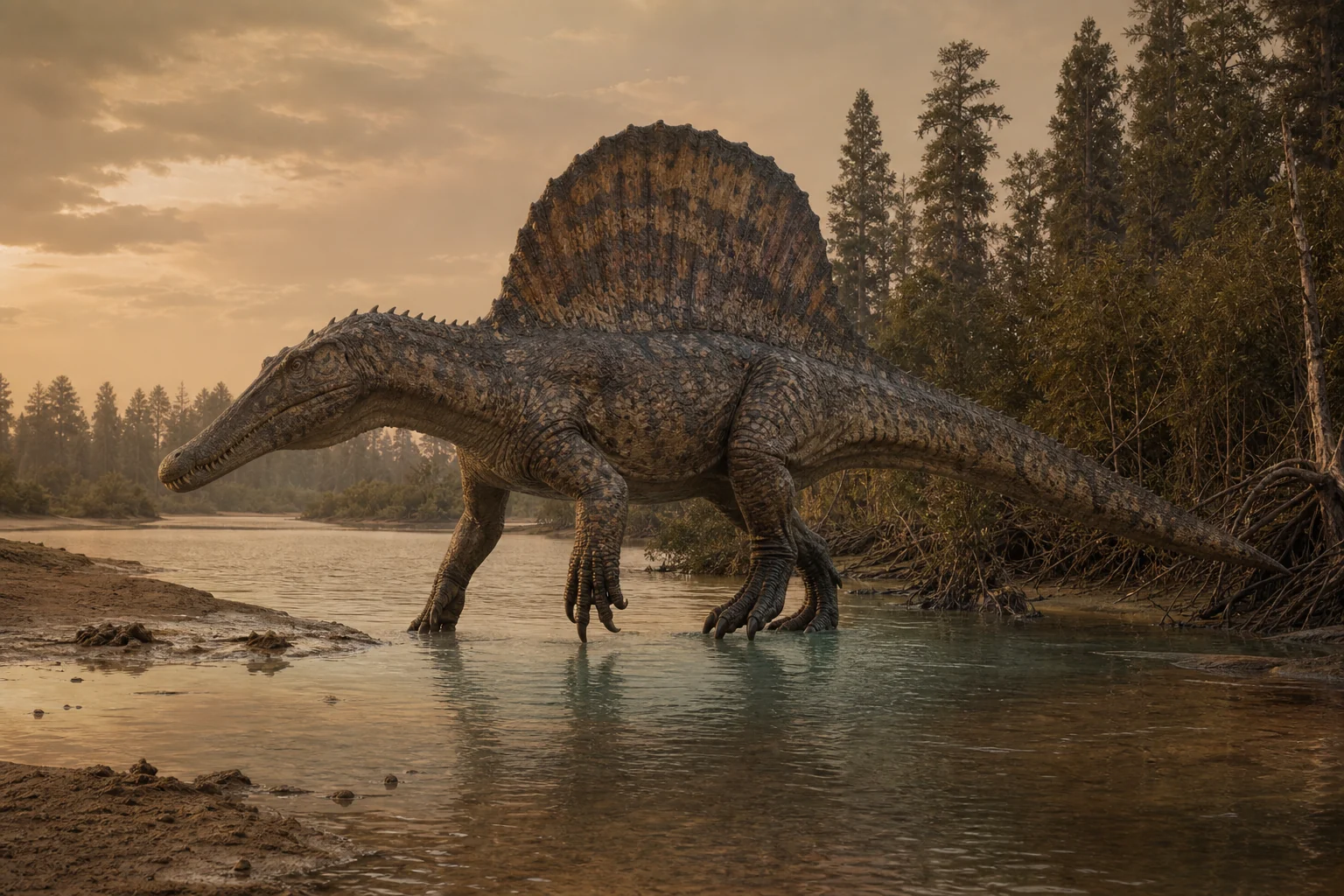
Spinosaurus vs T. rex: Size, Diet, Habitat & Fossils
Spinosaurus was generally longer and adapted to feeding around water; T. rex had a deeper, more robust head and body. They lived in different places and times and never met.
Read the answer ↗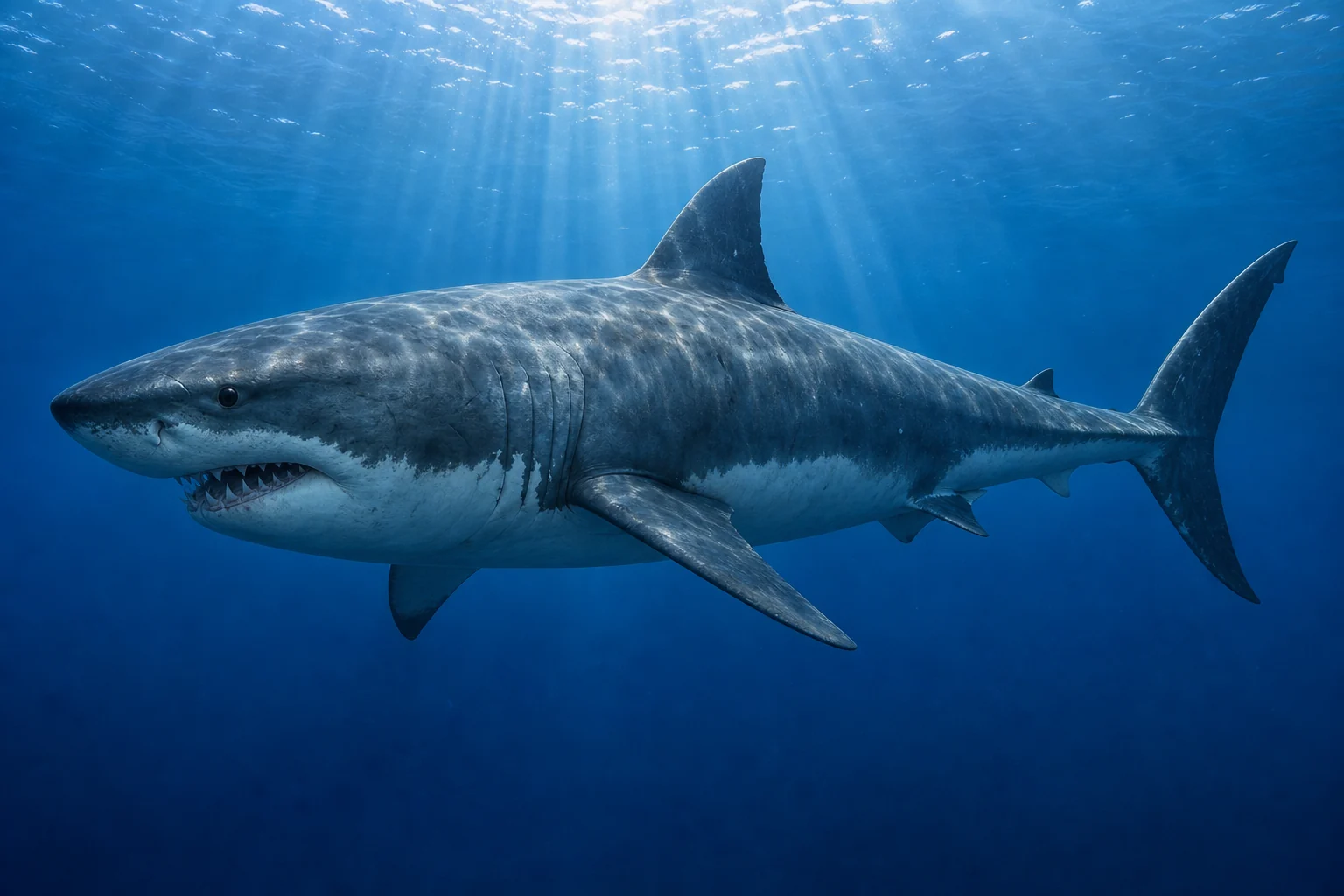
Megalodon vs Mosasaurus: Size, Diet & Why They Never Met
Megalodon was a giant shark and Mosasaurus a marine reptile. Mosasaurs disappeared 66 million years ago, tens of millions of years before megalodon appeared.
Read the answer ↗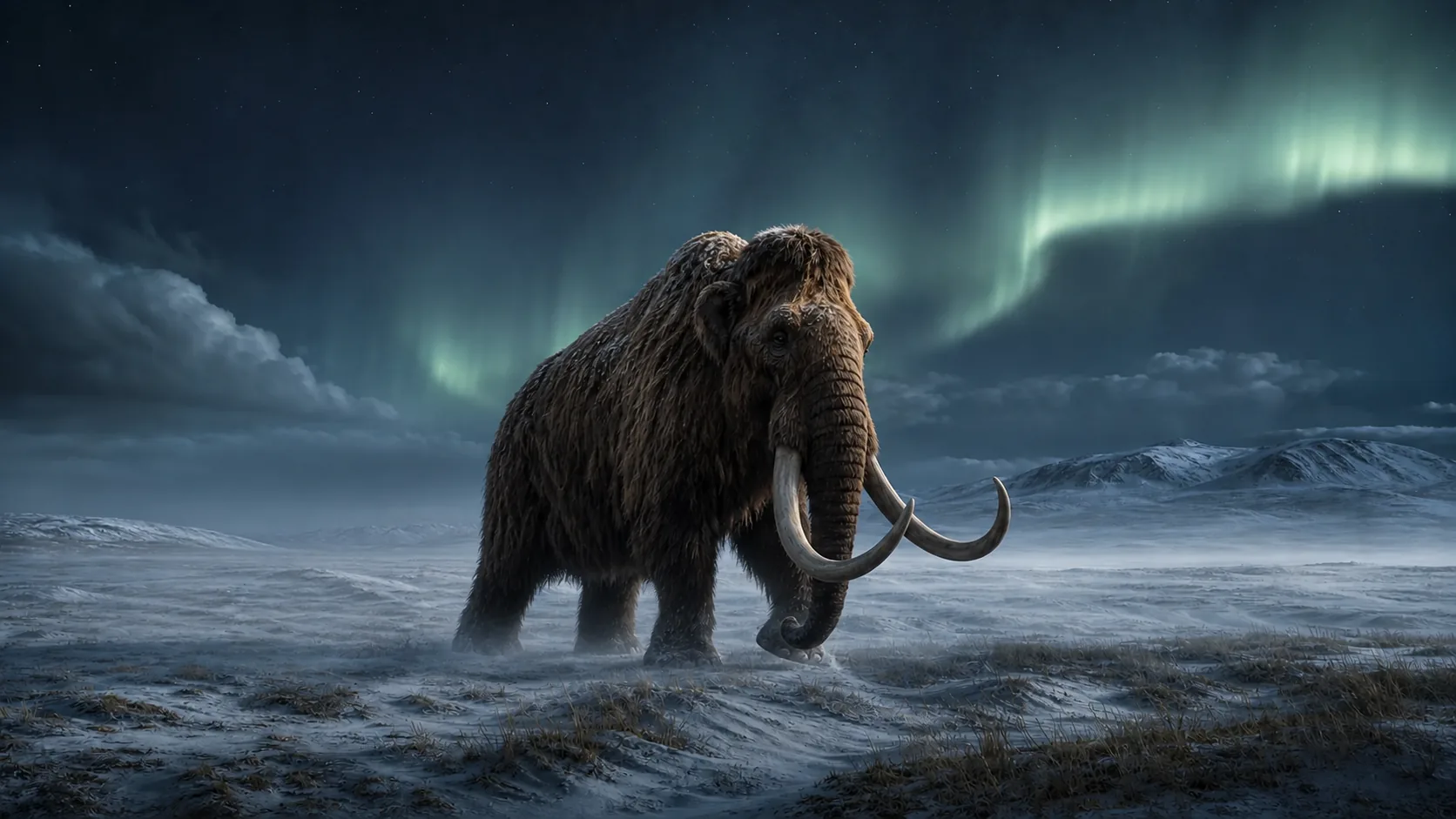
Mammoth vs Mastodon: Teeth, Diet, Size & Differences
Mammoths and mastodons were different elephant relatives. Mammoths belong to Mammuthus and had ridged grinding teeth; American mastodons belong to Mammut and had more prominent cusps suited to processing woody vegetation. A woolly mammoth is one mammoth species, not another name for every Ice Age elephant relative.
Read the answer ↗