
Anatomy & classification
Are Pterosaurs Dinosaurs? Wings, Birds & Key Differences
Published · Editorial policy
The short answer
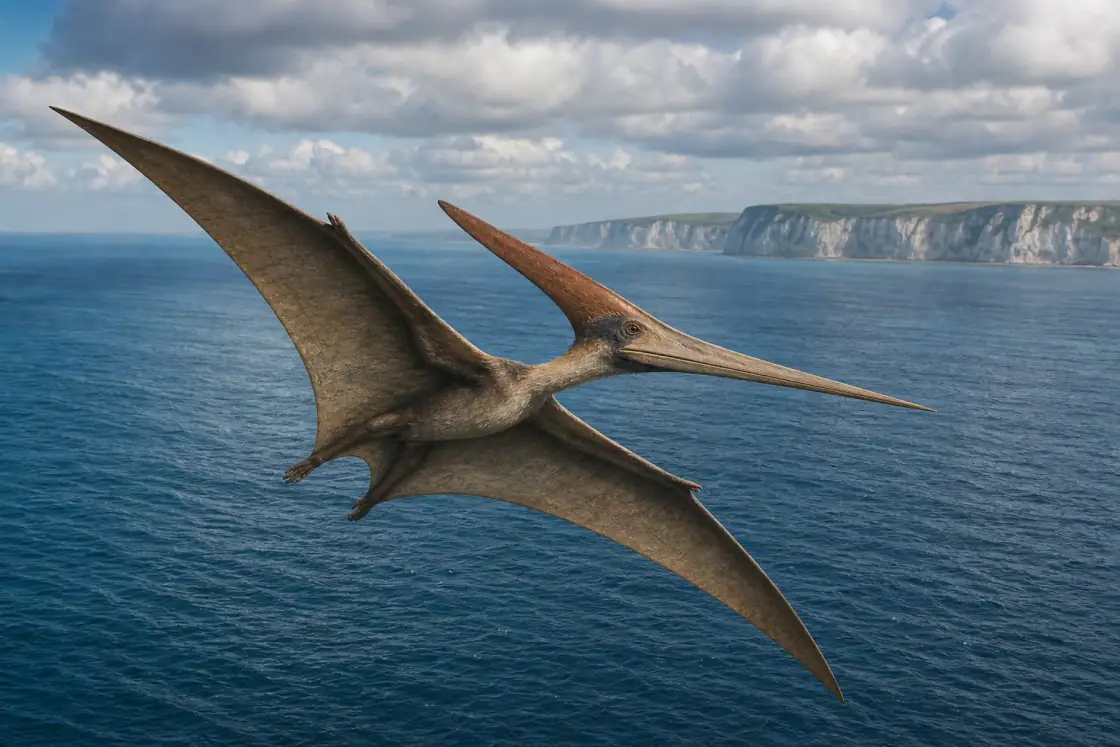
No. Pterosaurs were flying reptiles on a separate branch of the archosaur family tree. Birds are dinosaurs; pterosaurs are their relatives. Pterosaur wings used a membrane supported mainly by an elongated fourth finger, whereas bird wings use feathers on a modified forelimb.
| Group | Dinosaur? | Wing or forelimb distinction |
|---|---|---|
| Pterosaurs | No: a related archosaur branch | Membrane supported by an elongated fourth finger |
| Birds | Yes: theropod dinosaurs | Feathered wings |
| Other dinosaurs | Yes | Diverse forelimbs; some feathered, many without flight wings |
The family tree matters more than flight
Pterosaurs and dinosaurs were related archosaurs, but Pterosauria is not a subgroup of Dinosauria. Sharing the Mesozoic, laying eggs or possessing wings does not define a dinosaur. Birds evolved within theropod dinosaurs and retain that ancestry today. The useful distinction is therefore between two related evolutionary branches, one of which includes birds, rather than between everything that flew and everything that walked.
How was a pterosaur wing built?
An extremely elongated fourth finger supported much of the main wing membrane. The other fingers were not all transformed into that long spar. A bird wing has a different skeletal arrangement and relies on flight feathers to form its aerodynamic surface. Both are modified forelimbs, but the supporting structures differ. A fossil wing skeleton can establish this distinction even when the full membrane or feather outline is missing.
Pterodactyl is not the name of every species
In everyday speech, pterodactyl is often used for almost any pterosaur. More precisely, Pterodactylus is a particular genus, and pterodactyloids are a broader subgroup. Pteranodon and Quetzalcoatlus are other genera, not alternative names for Pterodactylus. Keeping these names separate prevents a familiar illustration from becoming a false description of the entire group, whose members differed greatly in head shape, teeth and body size.
Why “flying dinosaurs” needs clarification
If the phrase means living birds, flying dinosaurs is evolutionarily correct. If it means Pteranodon or Quetzalcoatlus, pterosaurs is the accurate name. A largest-flying-animals list may legitimately compare pterosaurs with birds, but it should label each group and explain how wingspan is estimated. Flying ability is a useful ecological comparison; it is not evidence that every entry belongs to the same dinosaur branch.
What remains uncertain
Wing skeletons provide strong anatomical evidence. Details of soft-tissue shape, launch behaviour and flight performance require additional fossils and models; they should not be inferred from a silhouette alone.
Related questions
Is Pteranodon a dinosaur?
No. Pteranodon is a pterosaur. It lived during the age of non-avian dinosaurs but belonged to a separate related branch.
Are birds the only living dinosaurs?
Yes. Living birds are the surviving dinosaur lineage. Pterosaurs have no living representatives, and modern flying mammals such as bats belong to a different vertebrate group.
Sources & further reading
Meet the species
Keep exploring
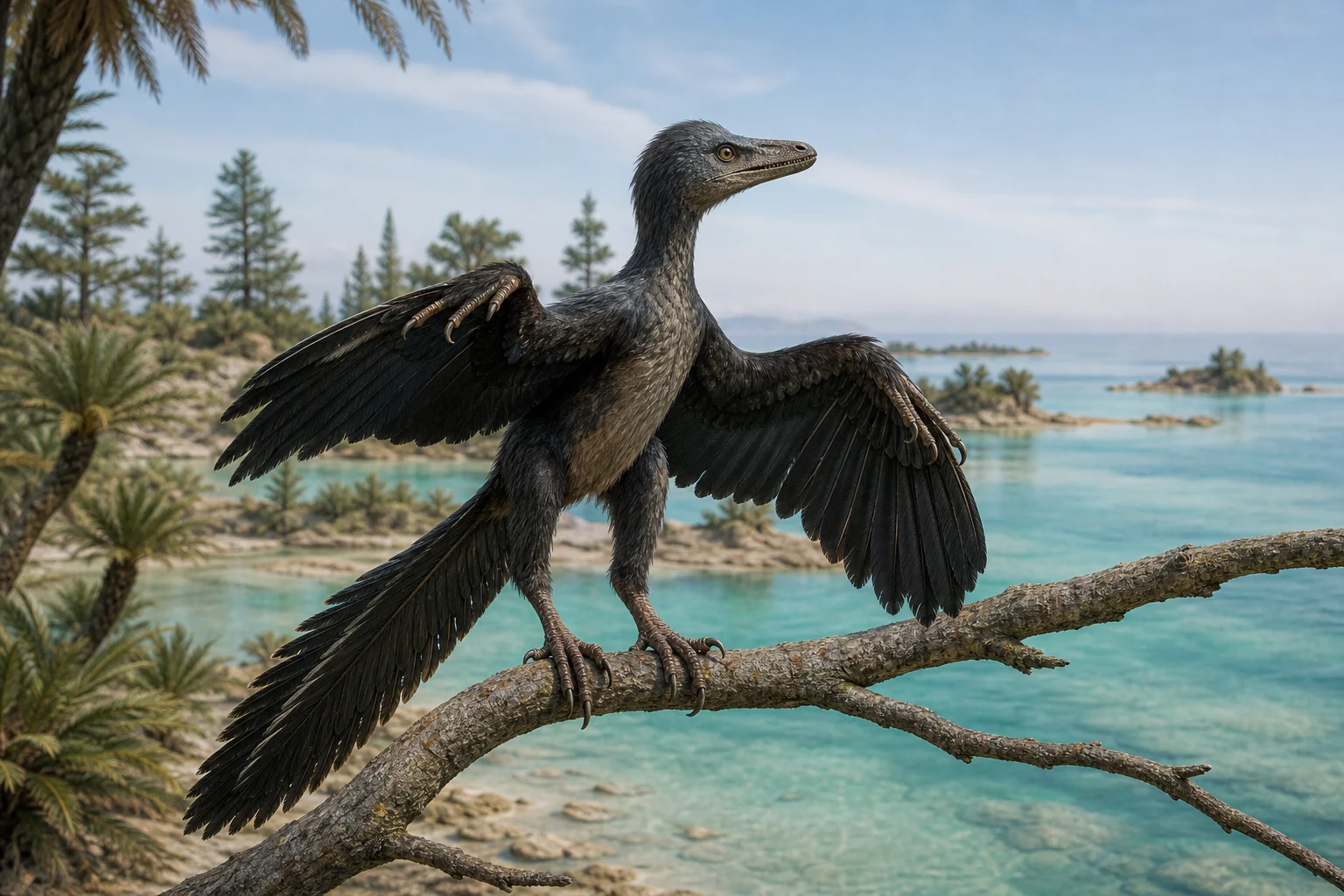
Why did birds survive the dinosaur extinction?
Birds are dinosaurs, and only some of their lineages survived the extinction about 66 million years ago. Small bodies, food options and less dependence on trees may have helped. Flight alone does not explain survival: many ancient birds disappeared too, and the relative importance of each factor remains debated.
Read the answer ↗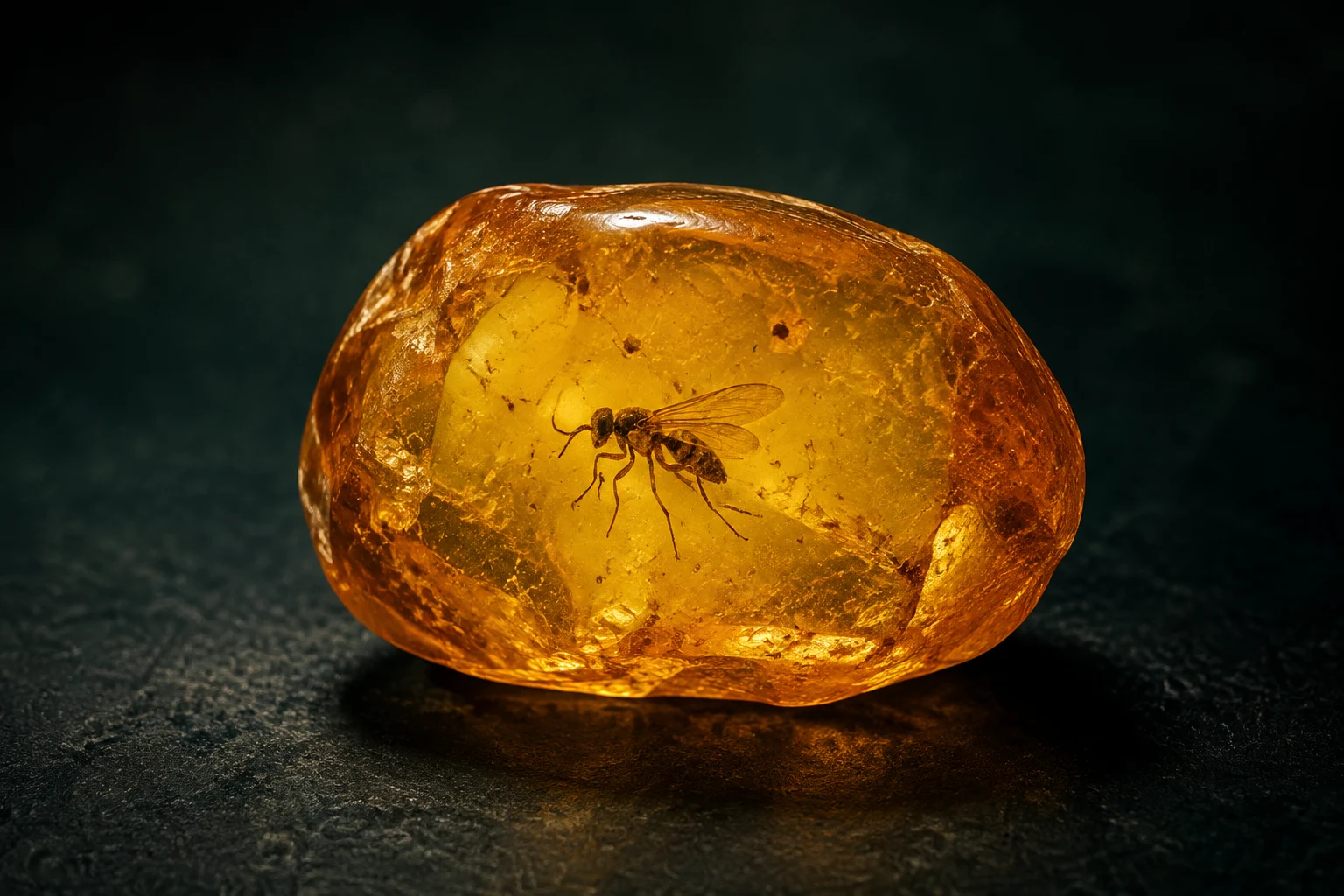
Could DNA from amber bring dinosaurs back?
No verified method currently provides a usable, complete non-avian dinosaur genome from amber. An insect can retain its shape after its DNA has degraded. Even a hypothetical complete sequence would not by itself provide the cells, embryo development and reproductive system needed to produce a living animal.
Read the answer ↗Prehistoric Animals Still Alive Today? Ancient Lineages Explained
Coelacanths, tuatara, horseshoe crabs and birds belong to ancient lineages. They are living, evolving species, not unchanged individuals or proof that extinct dinosaurs still hide today.
Read the answer ↗