
Prehistoric giants
Dinosaurs Bigger Than T. rex: Length, Weight & Evidence
Published · Editorial policy
The short answer
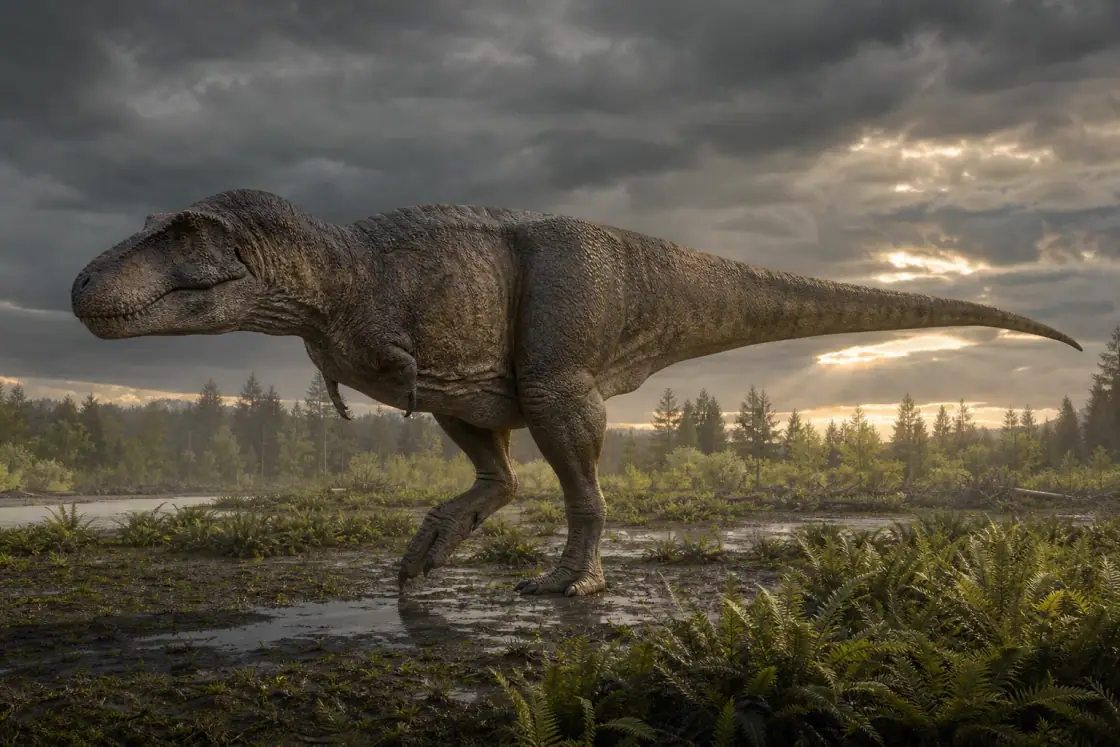
Giant sauropods such as Argentinosaurus and Dreadnoughtus exceeded T. rex in size. Some theropods were probably longer, but longer does not necessarily mean heavier.
| Dinosaur | Reference length | Comparison with T. rex |
|---|---|---|
| Argentinosaurus | About 35 m | Giant sauropod; fragmentary remains |
| Dreadnoughtus | About 26 m | Much longer; mass estimates debated |
| Diplodocus | About 26 m | Long neck and tail contribute strongly |
| Brachiosaurus | About 22 m | Different stance and body proportions |
| Jobaria | About 21 m | Museum reference length; Jurassic sauropod |
| Spinosaurus | About 14 m | Often longer, not automatically heavier |
Sauropods are the clearest answer
Argentinosaurus, Dreadnoughtus, Diplodocus and Brachiosaurus had body plans unlike a two-legged theropod. Their necks and tails contribute greatly to length. Museum reference values put these genera well beyond a large T. rex in total length, although the amount of preserved material varies considerably. Jobaria is another example: the Natural History Museum gives a reference length of about 21 metres, while the revised age of its formation places its history far earlier than T. rex.
Dreadnoughtus shows why weight needs its own evidence
The approximately 26-metre reconstruction is clearly long, but published mass calculations differ substantially. Limb scaling initially produced about 59.3 tonnes; later volumetric models gave lower values. A comparison can be useful without pretending that one of those figures is a weight measured from the living animal.
Which predators were longer?
Spinosaurus and Giganotosaurus are often reconstructed longer than a typical T. rex reference. Large individual tyrannosaurs were robust, however, so a length comparison does not settle a mass contest. Use the predator comparison for the distinction between typical reference values and exceptional specimens.
Could they have met?
Being larger does not imply sharing an ecosystem. Diplodocus and Brachiosaurus were Jurassic animals, whereas T. rex lived near the end of the Cretaceous. Geography also matters: a southern South American titanosaur is not automatically part of a North American predator’s prey community.
What remains uncertain
The table is not a definitive ranking. Estimates describe particular reconstructions and should not be interpreted as an average or a maximum for every member of a genus.
Related questions
Was T. rex the biggest dinosaur?
No. Giant herbivorous sauropods were much larger overall.
Does a longer dinosaur weigh more?
Not necessarily. Body proportions and the volume of soft tissue matter as well as length.
Sources & further reading
- Natural History Museum — Argentinosaurus ↗
- Natural History Museum — Diplodocus ↗
- Natural History Museum — Brachiosaurus ↗
- Natural History Museum — Jobaria (size reference) ↗
- Rauhut & López-Arbarello (2009) — Tiouaren Formation age ↗
- Lacovara et al. (2014) — Dreadnoughtus ↗
- Bates et al. (2015) — Downsizing a giant ↗
- Natural History Museum — Spinosaurus ↗
- Natural History Museum — Giganotosaurus ↗
- Field Museum — SUE the T. rex ↗
- Natural History Museum — What was the biggest dinosaur? ↗
Meet the species
Keep exploring
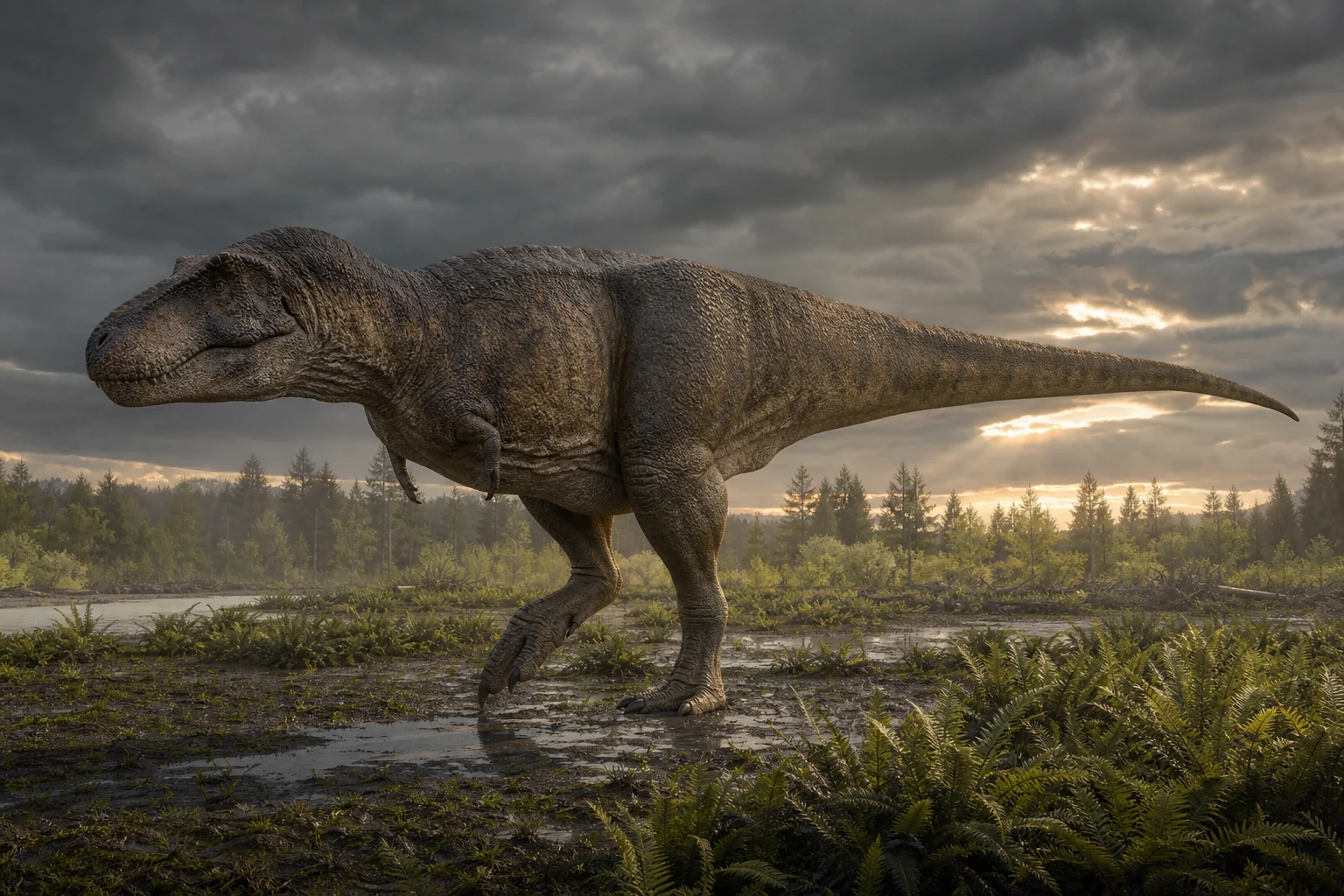
Did dinosaurs live with humans?
Humans never lived with non-avian dinosaurs such as Tyrannosaurus. Those dinosaurs disappeared about 66 million years ago, long before humans evolved. Birds are the surviving dinosaur lineage, however, so humans do live with dinosaurs in the scientific sense. The answer depends on whether the question includes birds.
Read the answer ↗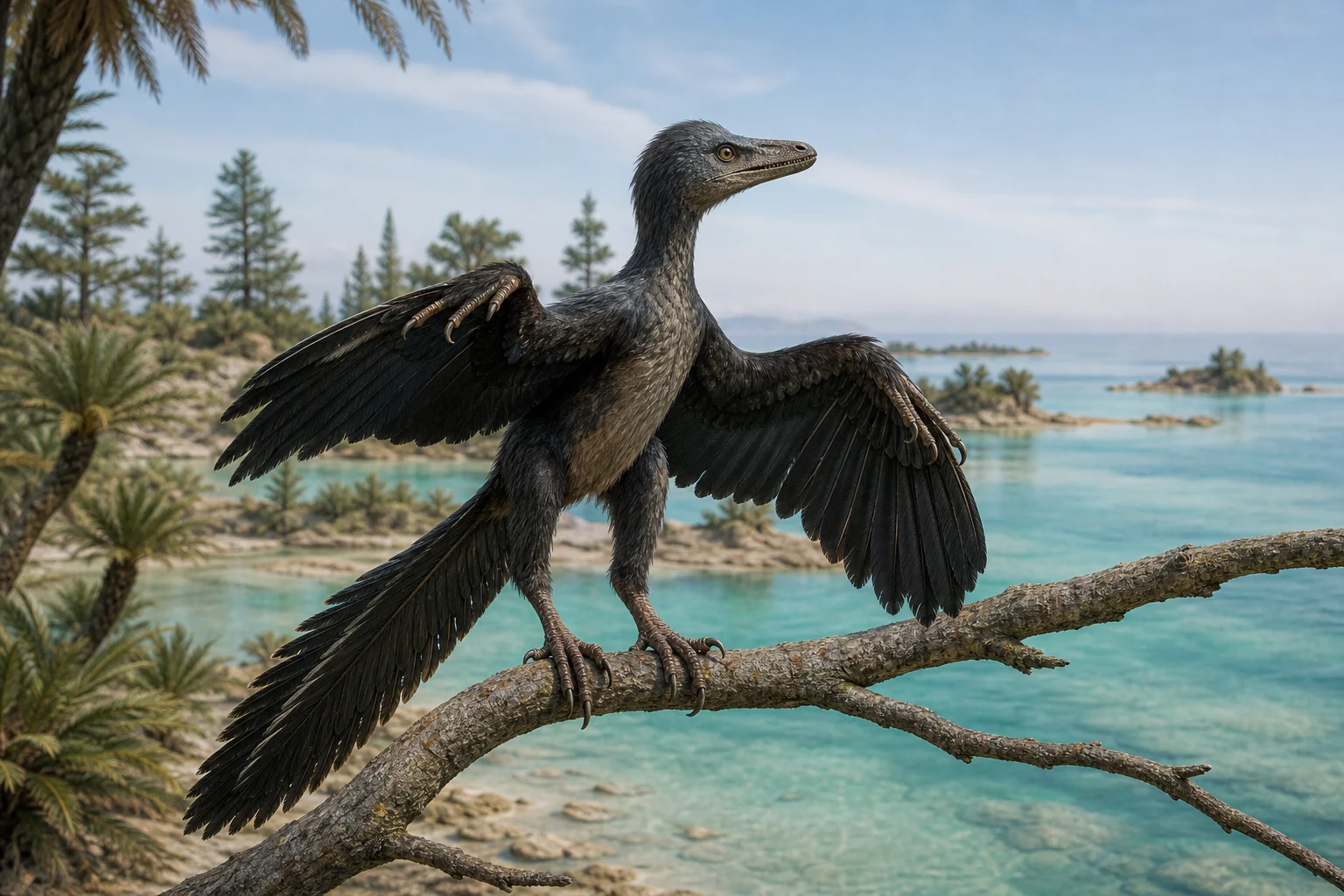
Why did birds survive the dinosaur extinction?
Birds are dinosaurs, and only some of their lineages survived the extinction about 66 million years ago. Small bodies, food options and less dependence on trees may have helped. Flight alone does not explain survival: many ancient birds disappeared too, and the relative importance of each factor remains debated.
Read the answer ↗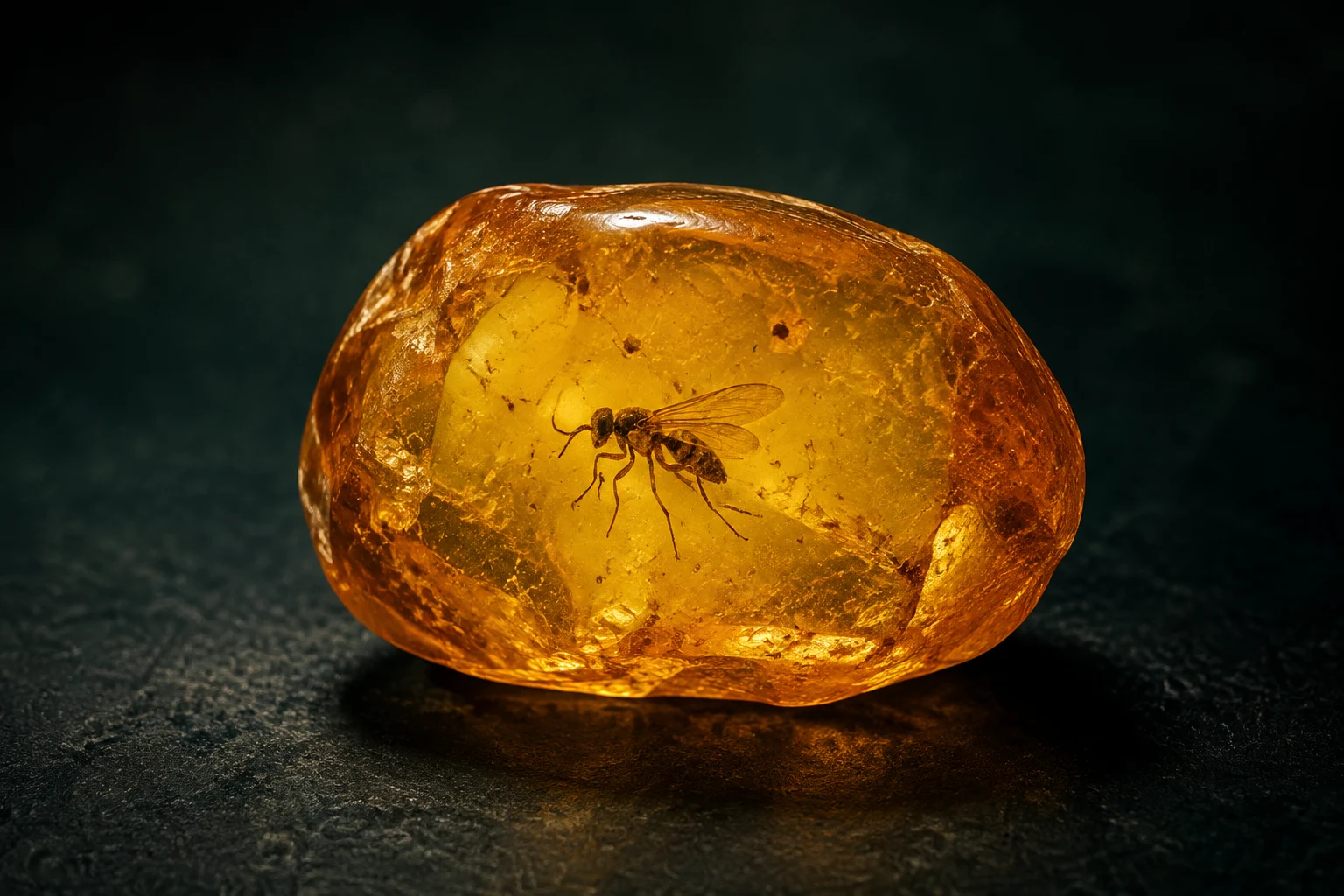
Could DNA from amber bring dinosaurs back?
No verified method currently provides a usable, complete non-avian dinosaur genome from amber. An insect can retain its shape after its DNA has degraded. Even a hypothetical complete sequence would not by itself provide the cells, embryo development and reproductive system needed to produce a living animal.
Read the answer ↗