
Bringing species back
Could DNA from amber bring dinosaurs back?
Published · Editorial policy
The short answer
No verified method currently provides a usable, complete non-avian dinosaur genome from amber. An insect can retain its shape after its DNA has degraded. Even a hypothetical complete sequence would not by itself provide the cells, embryo development and reproductive system needed to produce a living animal.
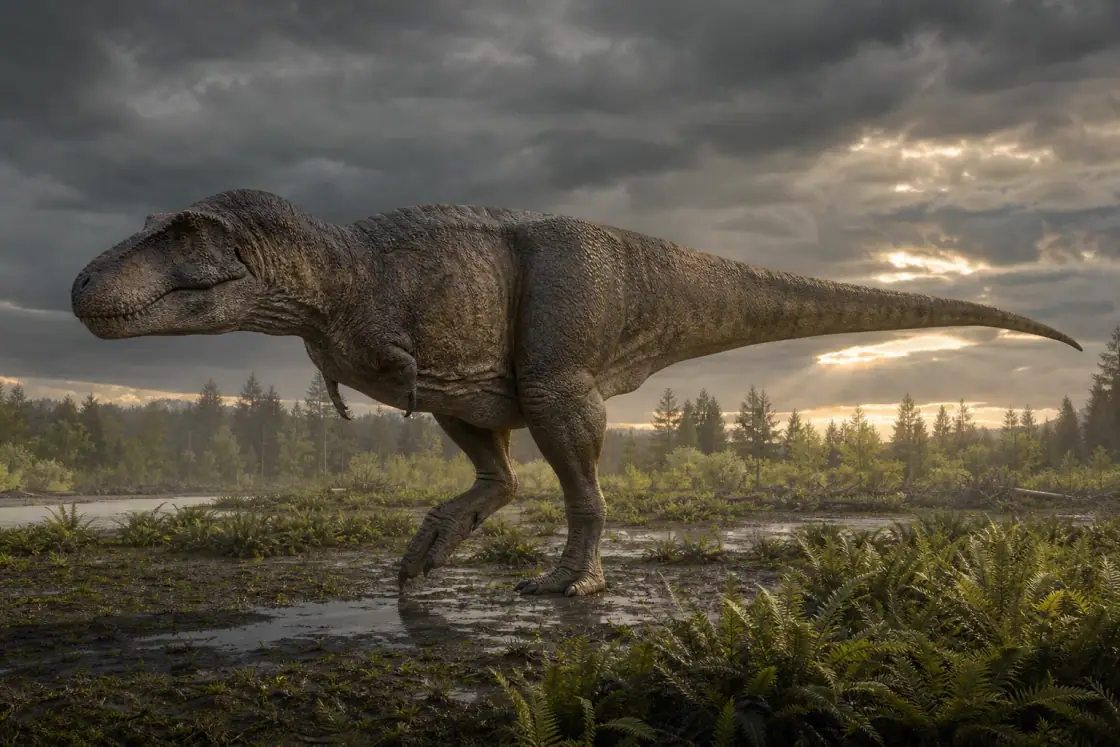
Preserved shape is not a usable genome
Fossilised anatomy, soft-tissue traces and blood-related molecules are different kinds of evidence. None alone establishes an intact dinosaur genome. The museum discussion highlights missing genetic material; reports of tissue preservation should not be read as announcements that a dinosaur can now be cloned.
Ancient DNA research does not close the time gap
In 2022, researchers reported environmental DNA from Greenland sediments about two million years old. Those fragments helped reconstruct an ecosystem; they were not intact organisms or cloning-ready cells. Non-avian dinosaurs disappeared about 66 million years ago. The Greenland study demonstrates exceptional preservation, not a universal maximum age for DNA.
Modern resin experiments are not dinosaur-amber experiments
A 2020 study recovered insect DNA from resin only two and six years old. The authors also discussed problems with older amber-DNA claims, including contamination and reproducibility. Their result cannot be stretched into proof that Mesozoic amber preserves a usable dinosaur genome.
Reading a sequence is not creating an embryo
NHGRI explains that mammalian reproductive cloning by nuclear transfer involves an egg cell and embryo development. A DNA sequence alone does not carry out those steps. This comparison illustrates the gap between genetic information and a living animal; it is not a validated recipe for reproducing a dinosaur.
What remains uncertain
DNA preservation depends on chemistry, temperature and other conditions. Avoid a fixed expiry date for every sample. The defensible conclusion is narrower: the required genetic material and a validated route to recreating a non-avian dinosaur are unavailable.
Related questions
Would adding ancestral traits to a chicken recreate an extinct dinosaur?
No. Birds already belong to the dinosaur lineage. Altering a few traits would create a modified living bird, not recover the complete biology of an extinct species.
Sources & further reading
Where did this question come from?
Would a complete DNA sequence be enough to hatch a dinosaur?
Historical republication of a Quora question: 2016-11-09. The wording is paraphrased and grouped by intent. Current follower, answer and view counts are unavailable. These links document the topic's origin; scientific evidence is listed above.
Meet the species
Keep exploring
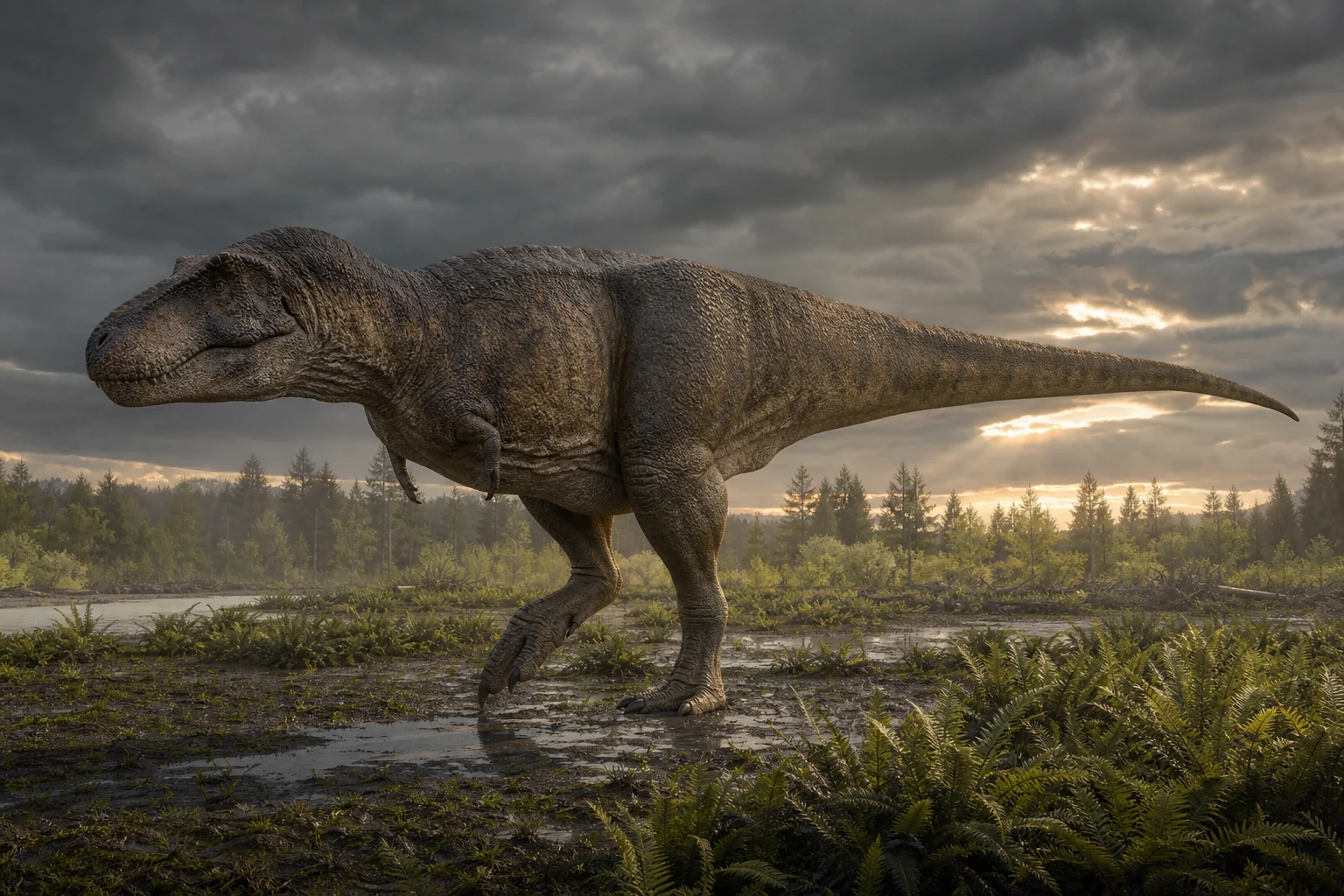
Did dinosaurs live with humans?
Humans never lived with non-avian dinosaurs such as Tyrannosaurus. Those dinosaurs disappeared about 66 million years ago, long before humans evolved. Birds are the surviving dinosaur lineage, however, so humans do live with dinosaurs in the scientific sense. The answer depends on whether the question includes birds.
Read the answer ↗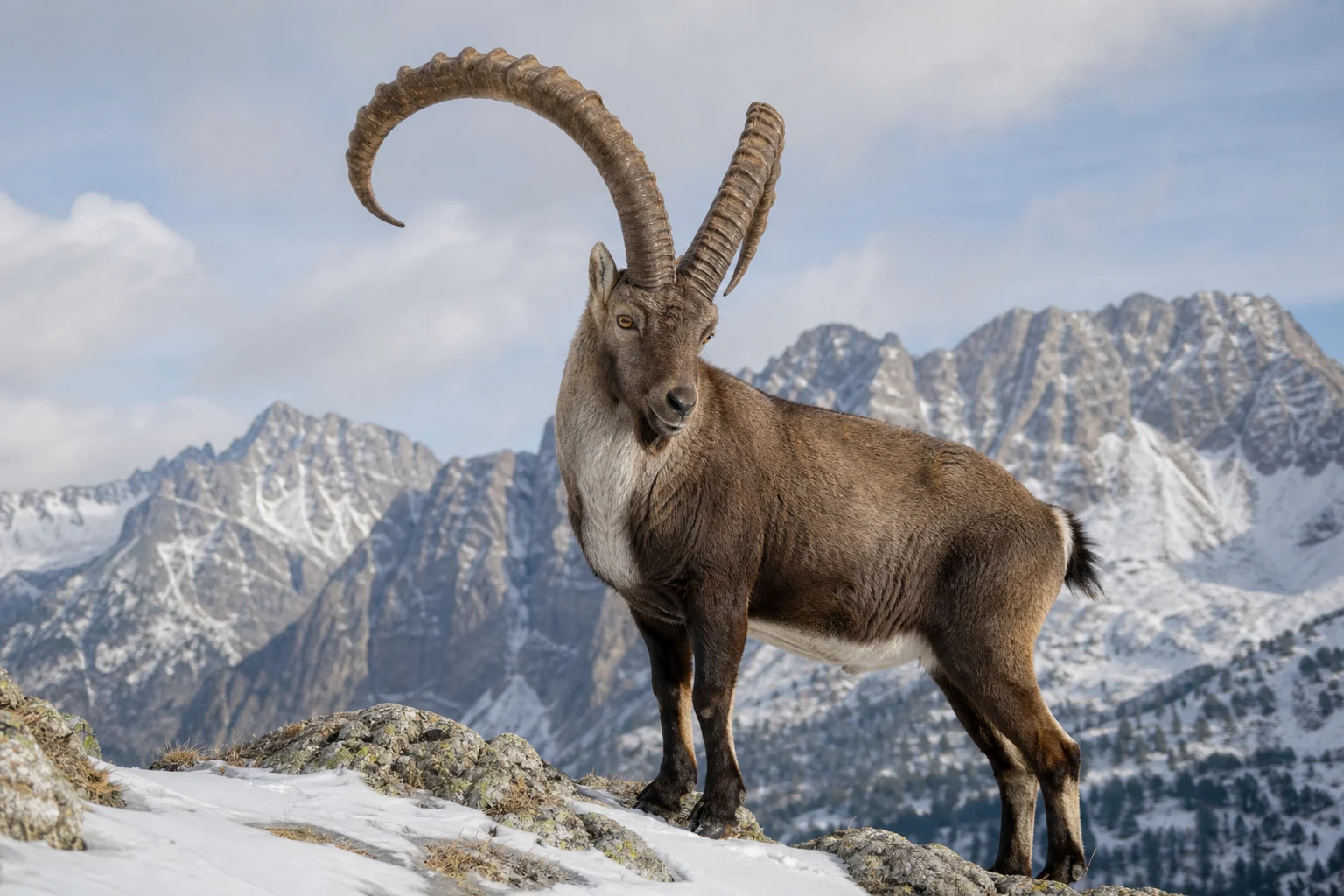
Can extinct animals be brought back?
Partly. Cloning can sometimes recover an individual from preserved cells, while breeding and gene editing can reconstruct selected traits. Neither achievement automatically restores an extinct species as a healthy, reproducing wild population.
Read the answer ↗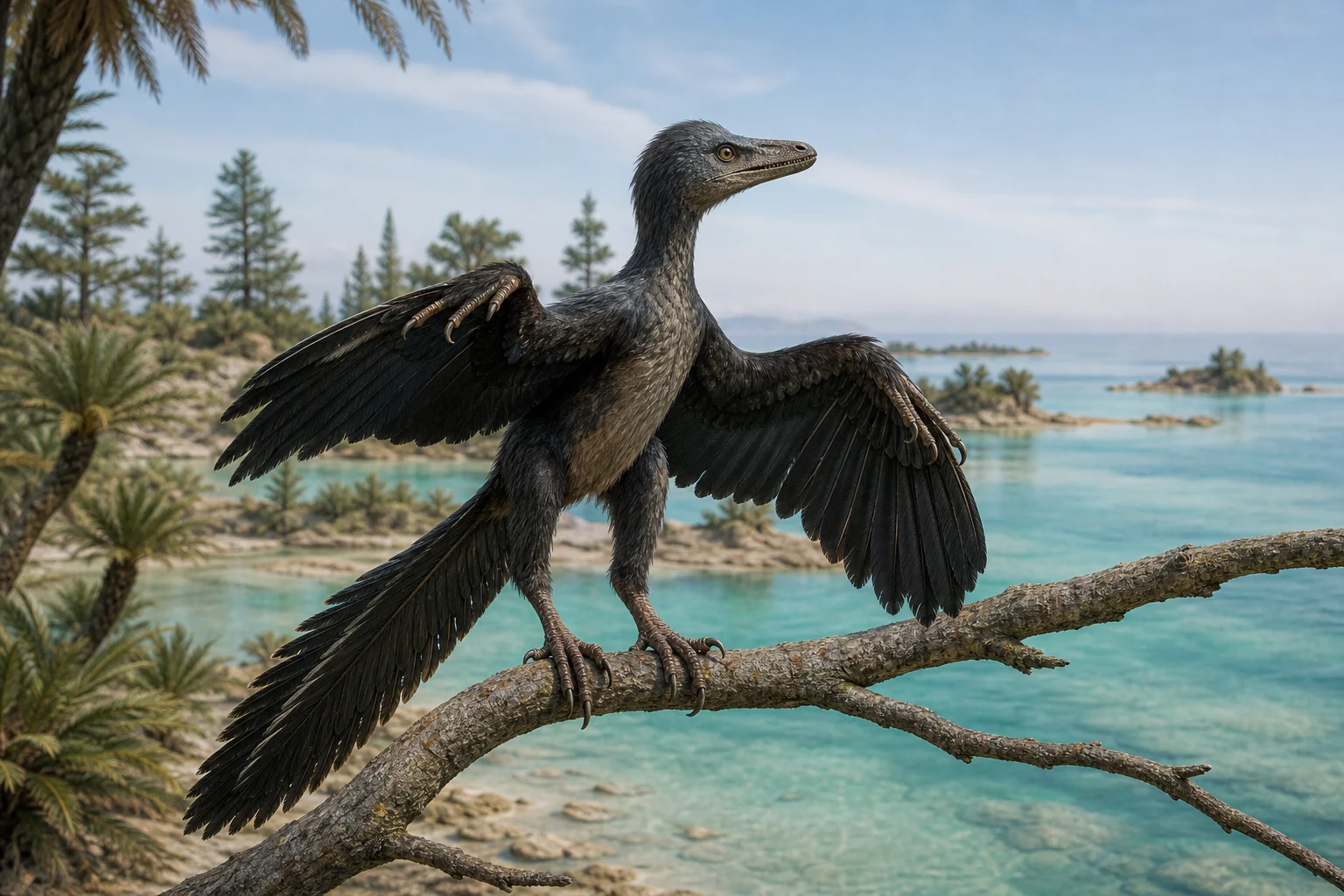
Why did birds survive the dinosaur extinction?
Birds are dinosaurs, and only some of their lineages survived the extinction about 66 million years ago. Small bodies, food options and less dependence on trees may have helped. Flight alone does not explain survival: many ancient birds disappeared too, and the relative importance of each factor remains debated.
Read the answer ↗