
Extinction & conservation
Why were dodos not domesticated?
Published · Editorial policy
The short answer
Being unafraid of people does not establish that a species can be bred reliably in captivity. Dodo husbandry is poorly documented, and the evidence does not identify one decisive reason why domestication failed to develop. Claims that farming them would certainly have prevented extinction are counterfactual speculation.
Start by checking the premise
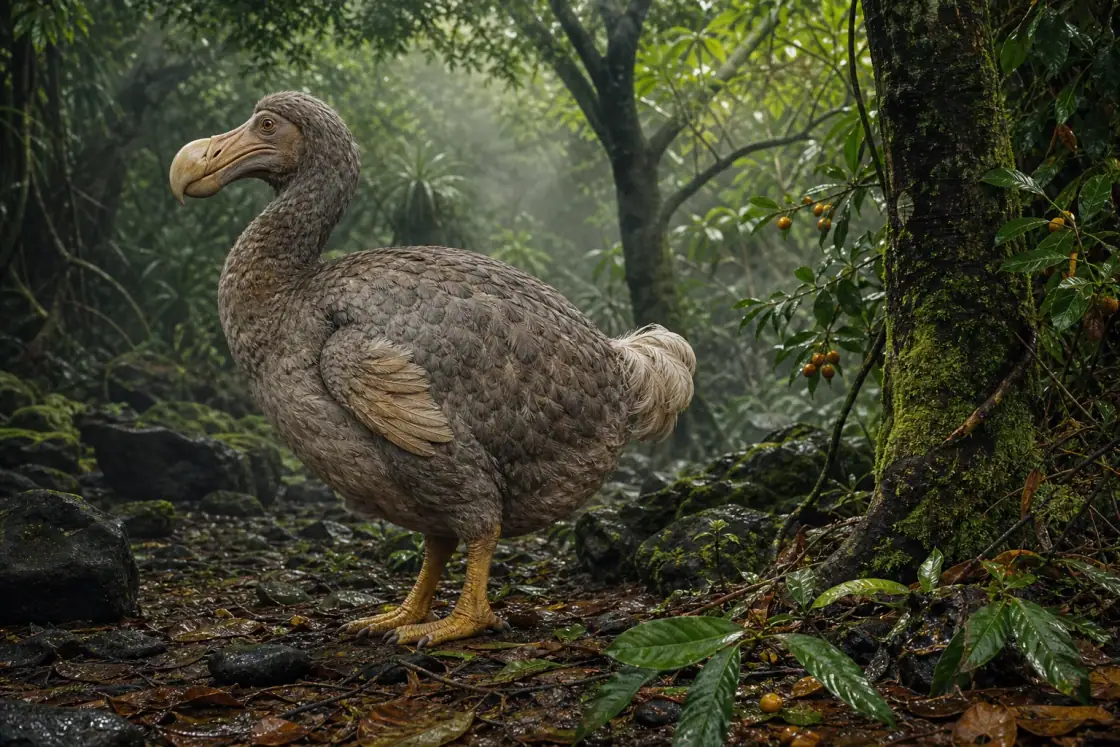
Historical descriptions were not controlled observations of breeding or temperament. The museum synthesis describes an active island bird, rather than the helpless caricature familiar from cartoons. Our inference is limited: approachability alone says little about diet, territorial behaviour or the conditions needed for reproduction.
Reproduction must be reconstructed from evidence
A 2017 study used bone microstructure to investigate growth, breeding and moult. Its seasonal reconstruction is not a record of a successful captive breeding programme. It helps explain why a simple story about producing dodos like chickens goes beyond the evidence; it does not prove that keeping them was biologically impossible.
A transported bird is not a domesticated population
Even the story of the Oxford specimen illustrates the limits of historical reconstruction. Scans revealed lead shot, casting doubt on a familiar account of its life in London. An individual specimen cannot establish a self-sustaining captive population. Reliable evidence for such a population would require much more than a report that a bird reached Europe.
What remains uncertain
We do not know whether a well-designed breeding and habitat-protection effort could have succeeded. Explaining the absence of domestication is different from proving it impossible, or reconstructing the private decisions of seventeenth-century settlers.
Related questions
Would a captive flock alone have protected the wild dodo?
That does not follow. Introduced animals and hunting affected wild birds. A breeding effort would still have needed a plan to address those pressures in the habitat.
Sources & further reading
Where did this question come from?
Why were dodos not farmed instead of being lost?
Historical republication of a Quora question: 2017-10-16. The wording is paraphrased and grouped by intent. Current follower, answer and view counts are unavailable. These links document the topic's origin; scientific evidence is listed above.
Meet the species
Keep exploring
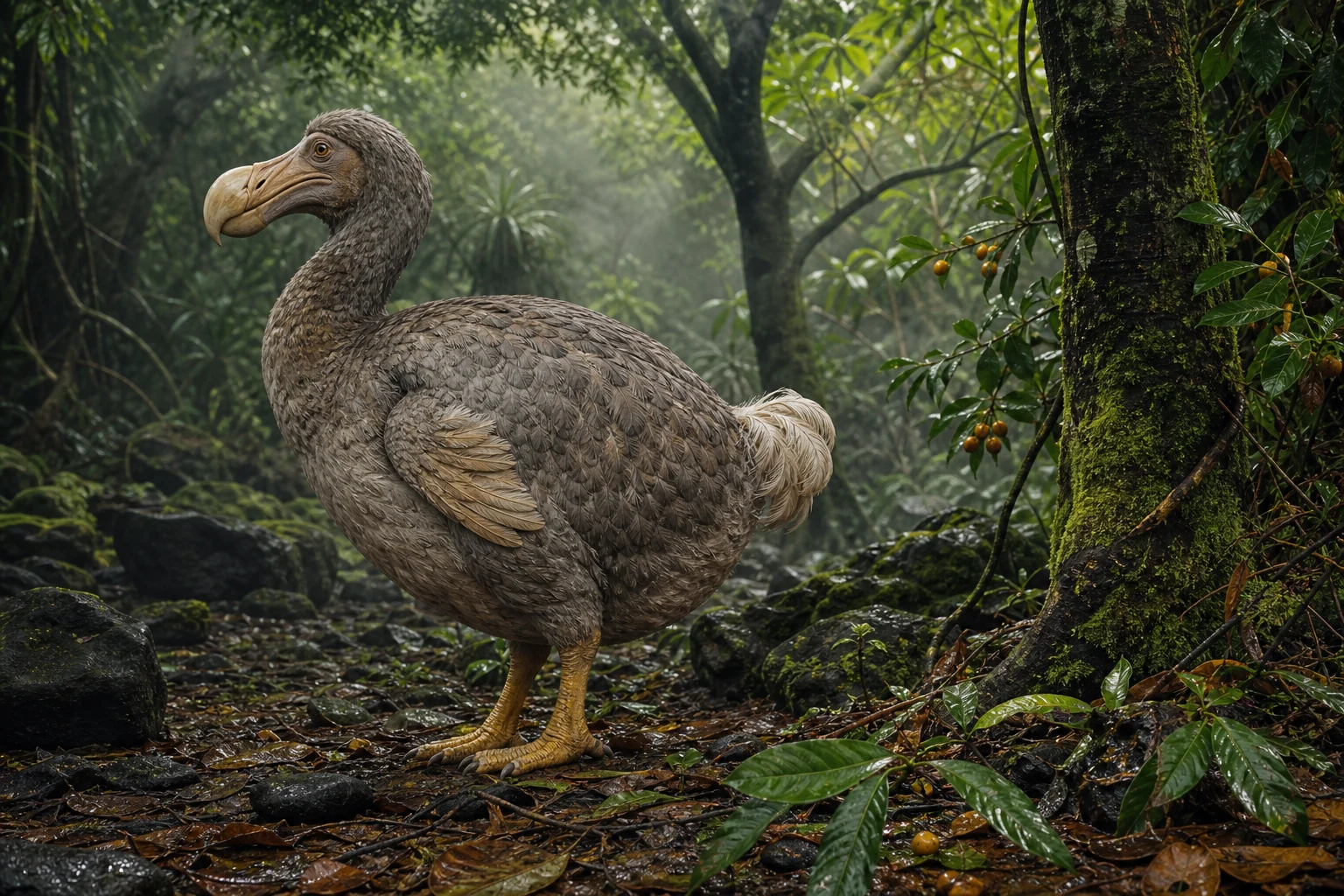
When and why did the dodo go extinct?
The last reliable sighting, uncertainty about the final date, hunting and introduced animals.
Read the answer ↗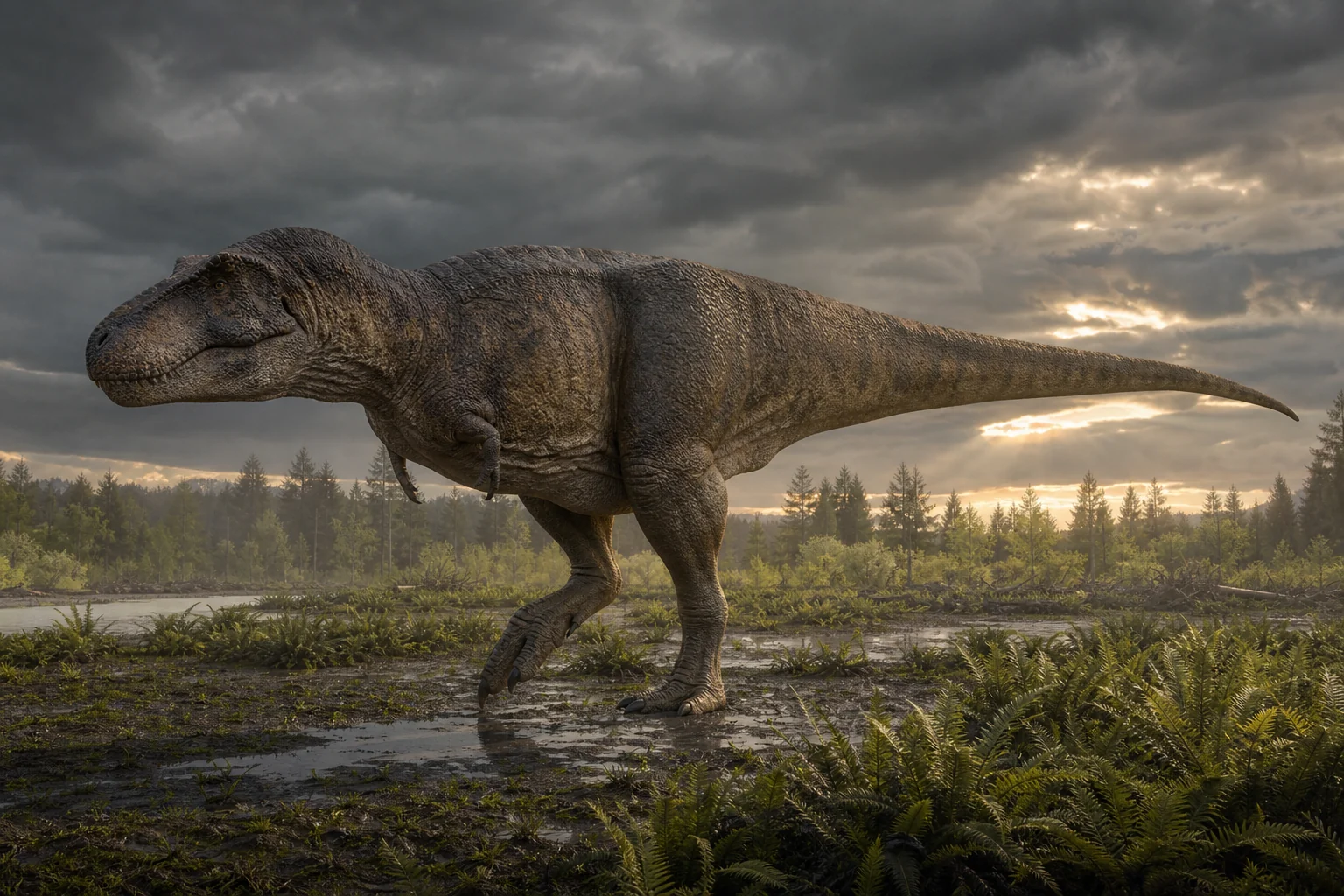
Did dinosaurs live with humans?
Humans never lived with non-avian dinosaurs such as Tyrannosaurus. Those dinosaurs disappeared about 66 million years ago, long before humans evolved. Birds are the surviving dinosaur lineage, however, so humans do live with dinosaurs in the scientific sense. The answer depends on whether the question includes birds.
Read the answer ↗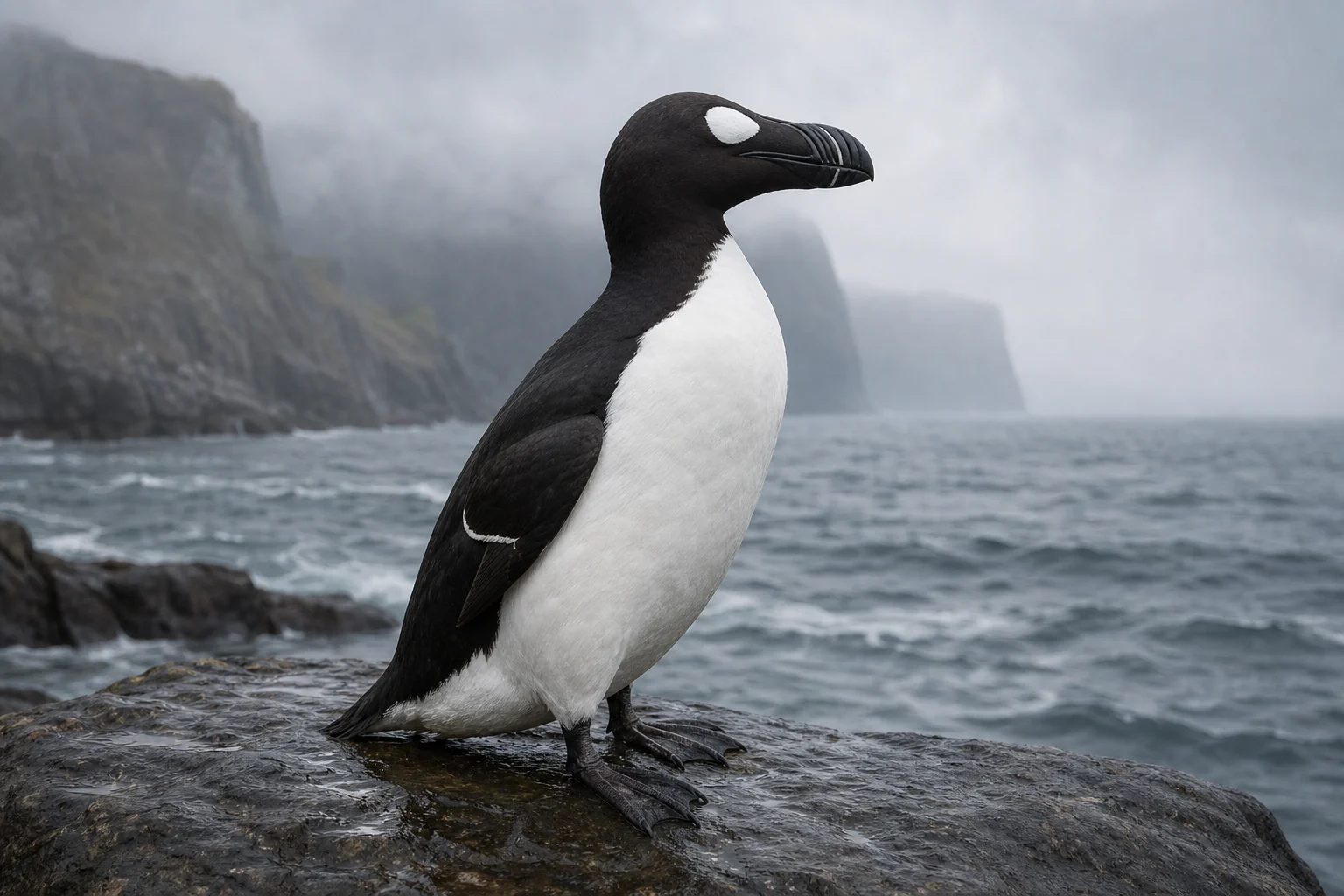
What animals went extinct because of humans?
Well-documented examples include the passenger pigeon, great auk, dodo and thylacine. Human pressure took different forms: commercial hunting, collecting, deliberate persecution, habitat change and introduced animals. These histories are most useful when compared by cause, rather than presented as a list in which every species was simply hunted away.
Read the answer ↗