
Bringing species back
What could happen if extinct animals returned to the wild?
Published · Editorial policy
The short answer
Producing an animal with extinct-species traits would not automatically restore a past ecosystem. A release could bring benefits or harm depending on habitat, behaviour, disease and interactions with other species. Each proposal needs evidence of lasting conservation benefit, rather than assuming that a successful birth means a successful return.
Be clear about what is being returned
IUCN uses the term proxy for an organism intended to represent some attributes of an extinct species. Its guidance frames the goal around conservation benefit. A resemblance in appearance or selected genes does not establish that the animal will behave like the original or restore all of its ecological functions.
Assess risks in both directions
Guidance on moving living organisms identifies competition, hybridisation and disease as concerns. Disease can travel from released animals to residents or the other way around. Applying these lessons to extinct-species proxies is a reasoned analogy, not evidence that a particular proxy has already caused an outbreak or displaced a native population.
A return needs a suitable place and long-term follow-up
Rewilding experience emphasises changing ecosystems, community participation and monitoring. The practical questions are whether habitat is suitable, whether animals can survive and reproduce, and whether outcomes justify continued intervention. A credible proposal should also explain how managers would respond if expected benefits fail to appear.
What remains uncertain
Most relevant experience comes from living-species conservation, not long-running wild populations of extinct-species proxies. Benefits and risks must therefore be evaluated case by case. Neither automatic ecological restoration nor inevitable invasiveness is justified as a blanket prediction.
Related questions
Could de-extinction replace habitat protection?
No. A released population still needs a viable environment. Creating an individual cannot by itself remove the pressures that threaten it or the species already living there.
Sources & further reading
Where did this question come from?
What are the consequences of returning extinct species to ecosystems?
Historical republication of a Quora question: 2017-10-16. The wording is paraphrased and grouped by intent. Current follower, answer and view counts are unavailable. These links document the topic's origin; scientific evidence is listed above.
Meet the species
Keep exploring
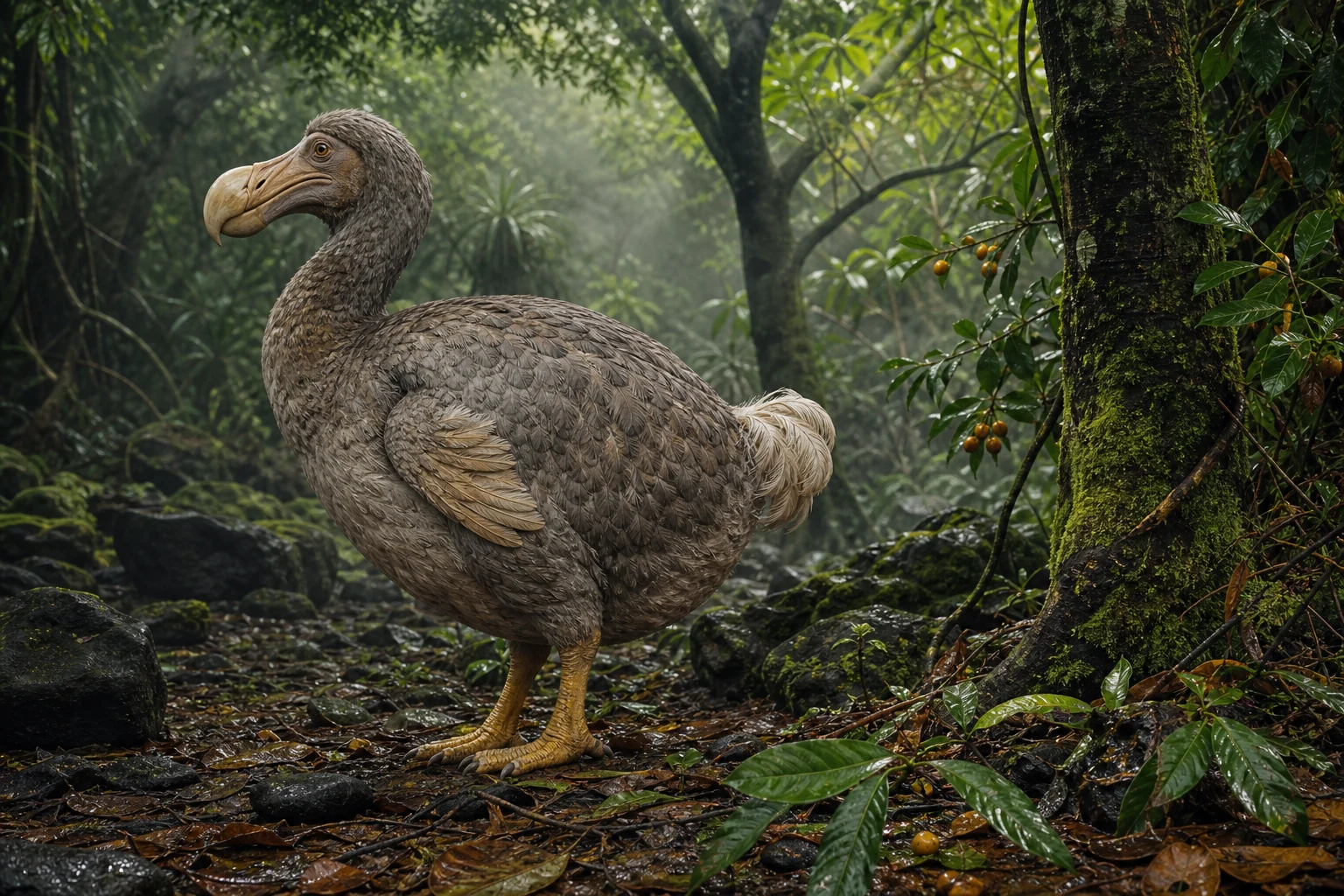
When and why did the dodo go extinct?
The last reliable sighting, uncertainty about the final date, hunting and introduced animals.
Read the answer ↗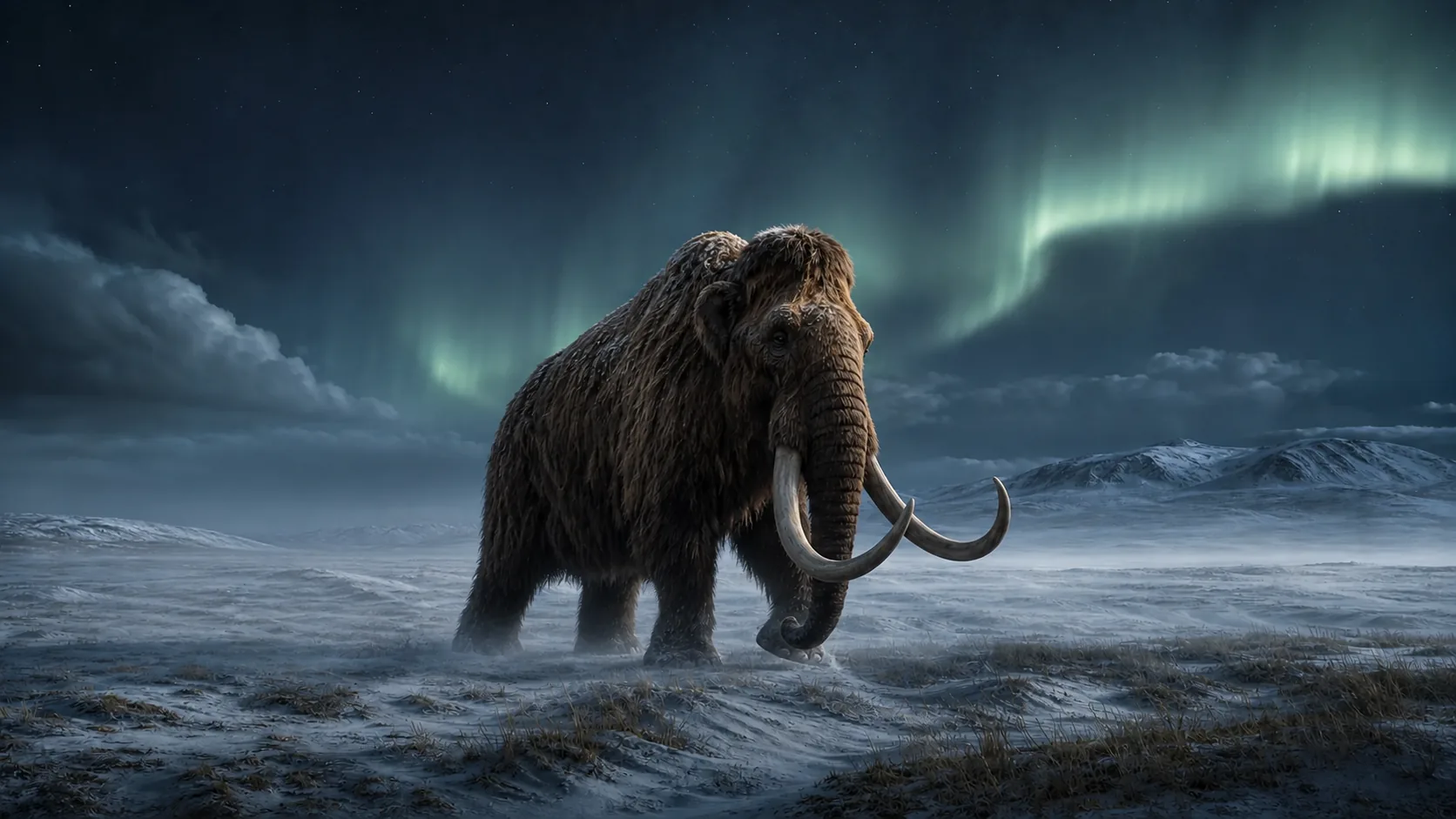
Why did woolly mammoths go extinct?
Climate, human pressure and the last island populations.
Read the answer ↗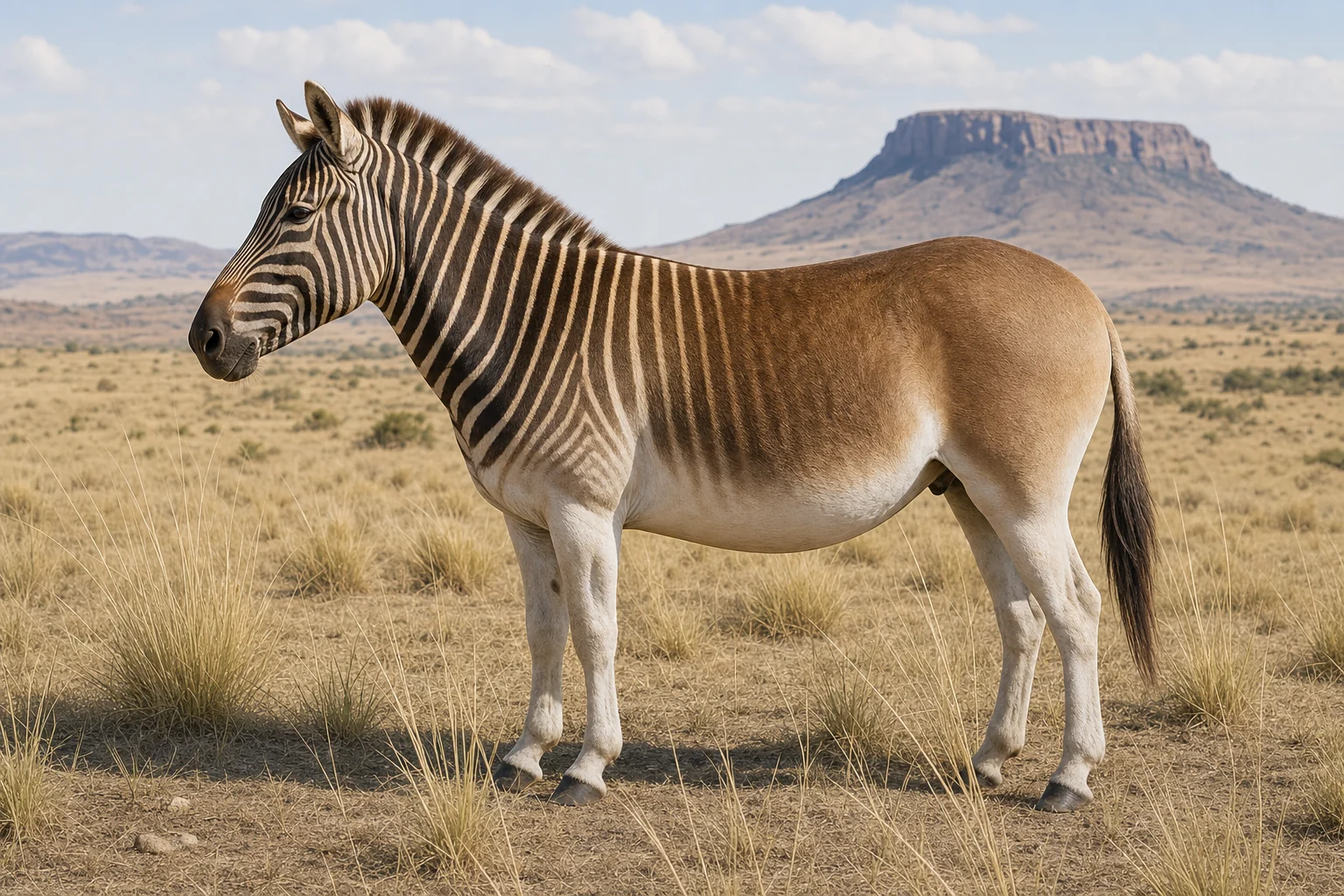
What are some of the most recently extinct animals?
Explore recent losses, with last-record dates kept distinct from extinction dates.
Read the answer ↗