
Extinction & survival
When did the thylacine go extinct?
Published · Editorial policy
The short answer
The last known captive thylacine died in Hobart on 7 September 1936. That is the best-known historical milestone, not a verified death date for the last wild animal. No surviving population has been conclusively demonstrated.
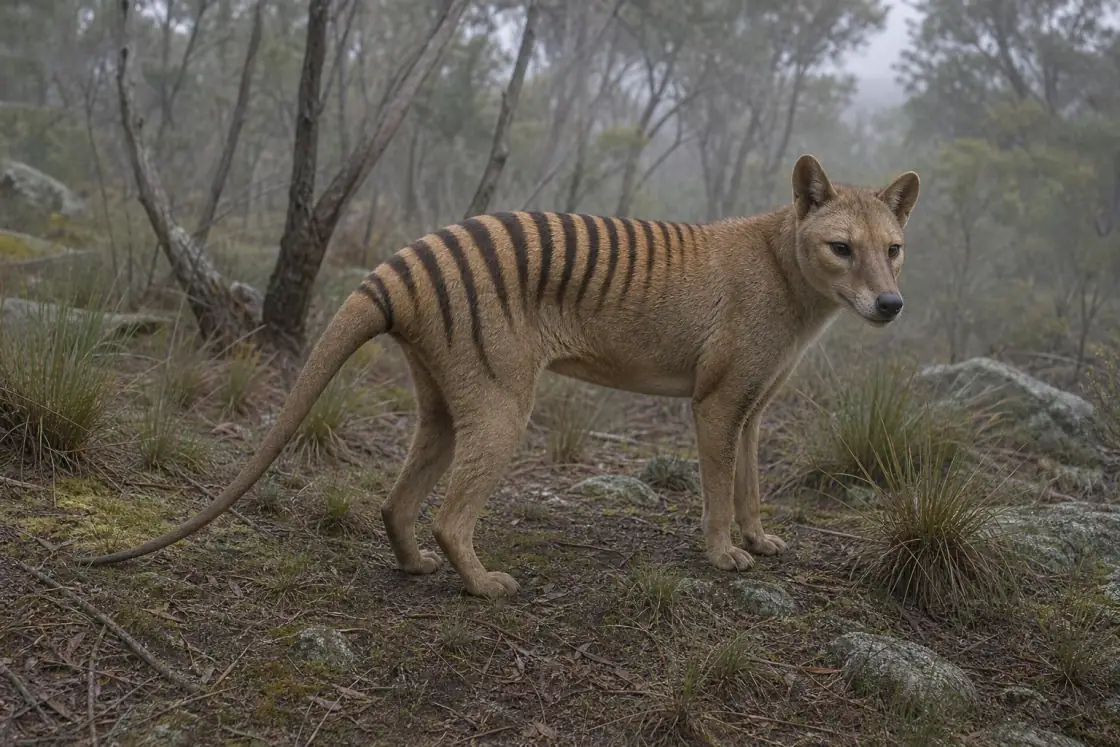
What the 1936 date actually records
The death occurred at Beaumaris Zoo. Legal protection had arrived only 59 days earlier. Keeping those facts together explains the tragedy: protection came after the population had already collapsed. It also prevents a common error. A documented death in a zoo cannot establish precisely when the last animal disappeared from Tasmania's wilderness.
Why its population collapsed
European settlement in Tasmania brought conflict over livestock and organized killing. The Tasmanian government introduced its bounty in 1888; the scheme ended in 1909 after more than 2,000 payments. The wildlife department notes that thylacines' responsibility for livestock losses was exaggerated. Those records explain why the species became rare long before its famous zoo death. Extinction was a population decline over generations, not simply the loss of one captive animal.
What later sightings can and cannot tell us
A 2023 study assembled 1,237 observations and tested their reliability. Its estimates changed substantially depending on which records were included and how uncertainty was handled. Some analyses suggested survival for decades after 1936. That is a model-based interpretation of reports, not discovery of a living thylacine. The useful lesson is to distinguish a dated specimen, an eyewitness report and a statistical estimate before treating them as equivalent evidence.
What remains uncertain
Wild extinction timing remains uncertain. A model's later estimate does not authenticate the sightings on which it depends.
Related questions
Is the historical thylacine footage real?
Yes. Australia's National Film and Sound Archive preserves authentic footage, including a 21-second clip filmed in 1935. It records a captive animal; it is not evidence of a modern wild survivor.
Was the Tasmanian tiger actually a tiger?
No. The thylacine was a carnivorous marsupial. Its striped back inspired the tiger nickname, while its doglike shape reflected similarities in lifestyle rather than membership of the cat or dog families.
Sources & further reading
- National Museum of Australia: Extinction of thylacine ↗
- Department of Natural Resources and Environment Tasmania: Tasmanian Tiger ↗
- Brook et al. (2023), Resolving when (and where) the Thylacine went extinct ↗
- National Film and Sound Archive: Tasmanian Tiger, last known footage of a thylacine ↗
- Australian Museum: Thylacine ↗
Meet the species
Keep exploring
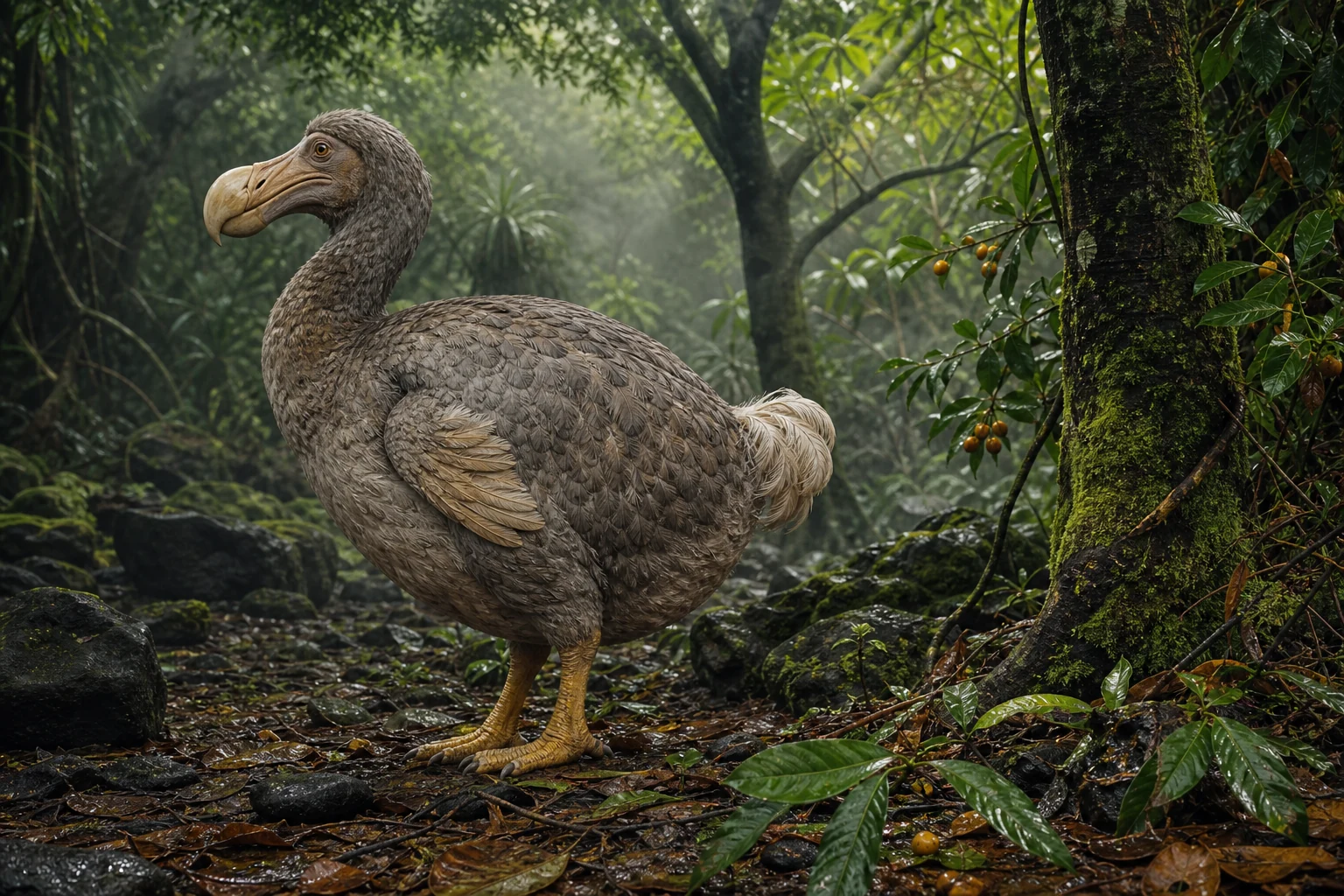
When and why did the dodo go extinct?
The last reliable sighting, uncertainty about the final date, hunting and introduced animals.
Read the answer ↗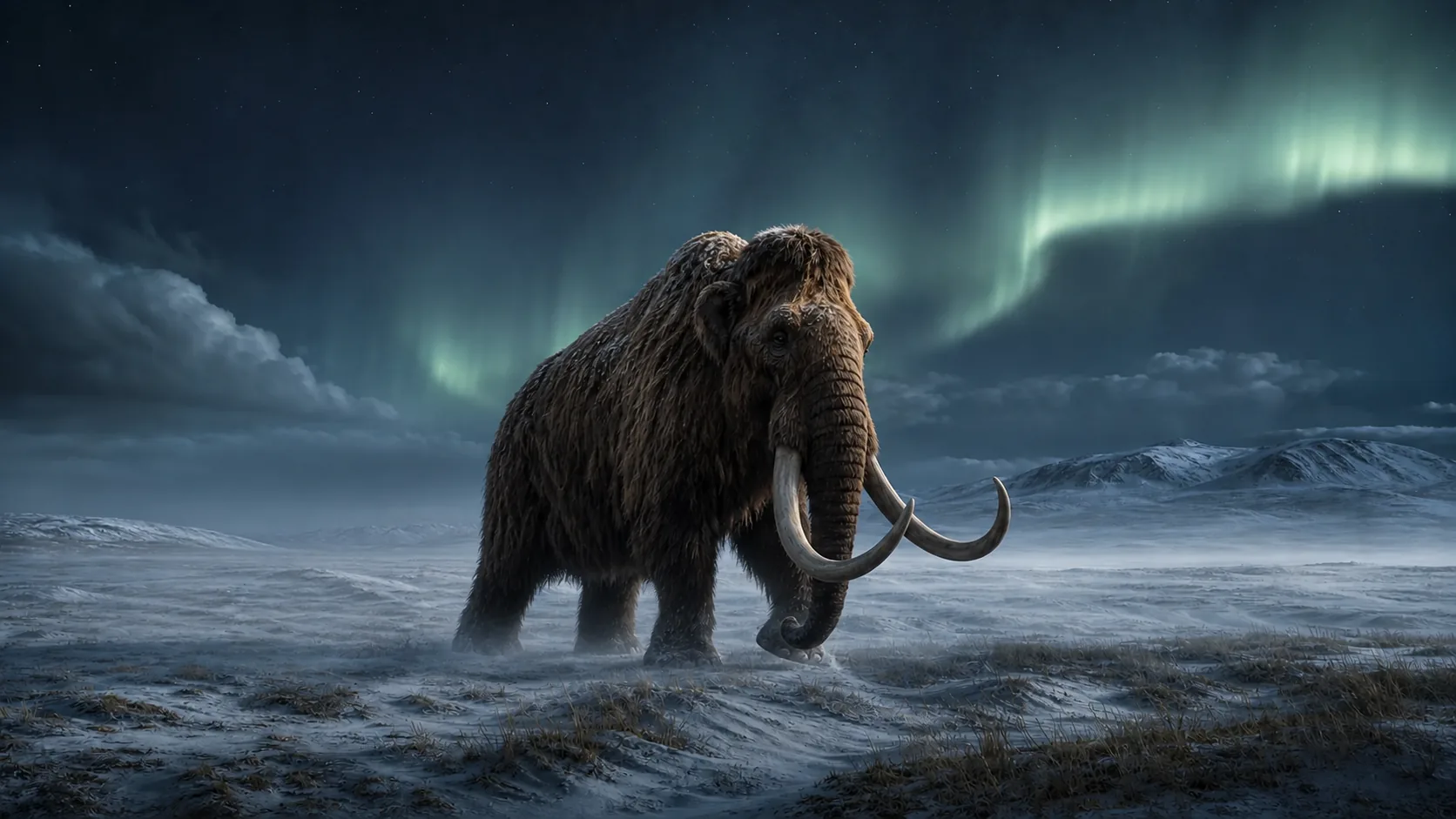
Why did woolly mammoths go extinct?
Climate, human pressure and the last island populations.
Read the answer ↗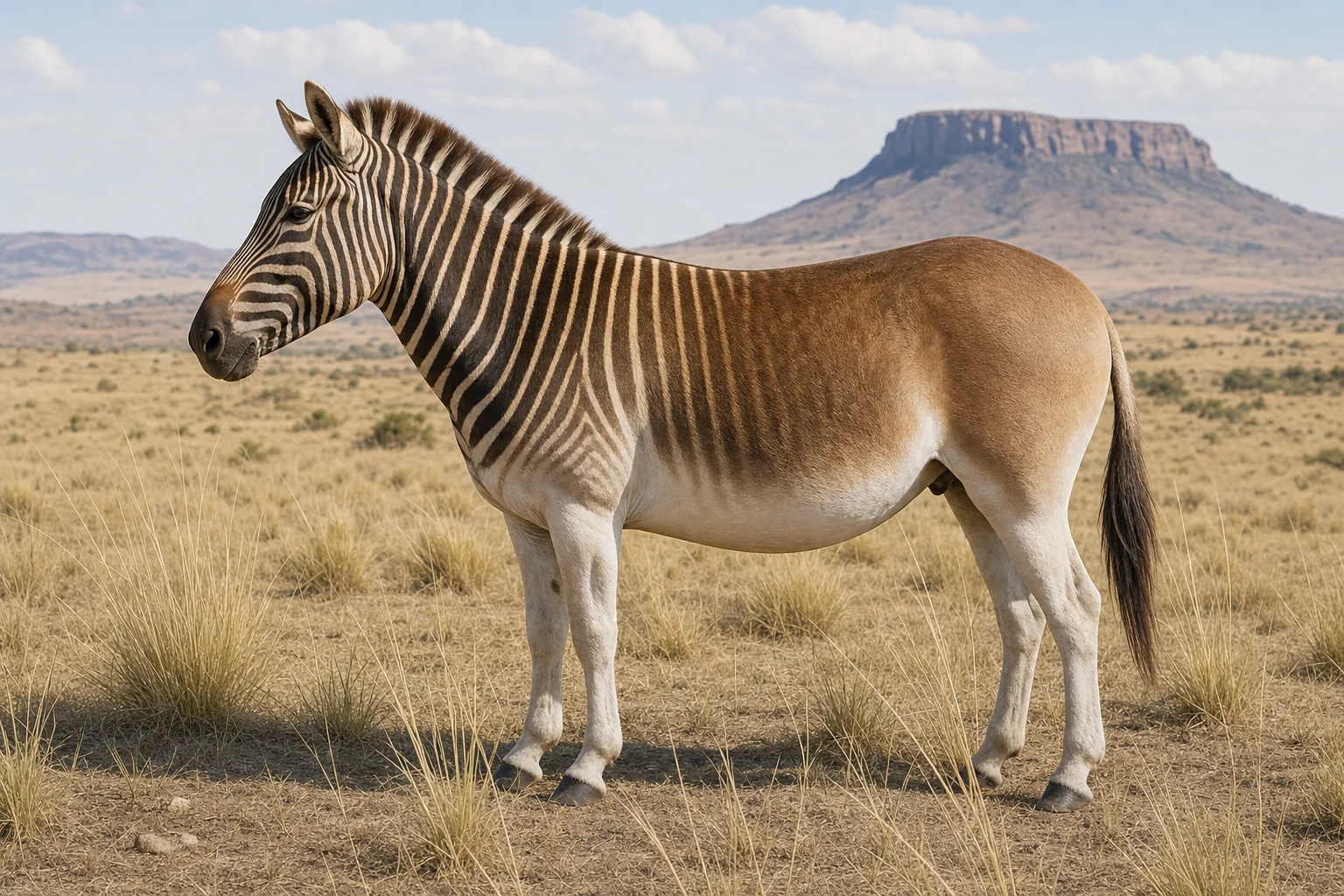
What are some of the most recently extinct animals?
Explore recent losses, with last-record dates kept distinct from extinction dates.
Read the answer ↗