
Extinction & conservation
If extinction is natural, why protect species?
Published · Editorial policy
The short answer
Extinction has always occurred, but that does not make every present-day loss unavoidable. Conservation can reduce human pressures and preserve ecological relationships. Evolution over geological time does not guarantee that a lost species or its role will be replaced within a human lifetime.
Natural processes still have rates and causes
The fossil record distinguishes background losses from mass extinctions. The IPBES 2019 assessment concluded that the global extinction rate was already tens to hundreds of times the average over the preceding ten million years. This is a dated assessment, not a live species counter. Its relevance is that the scale and drivers of loss matter.
Losing an animal can also change a forest
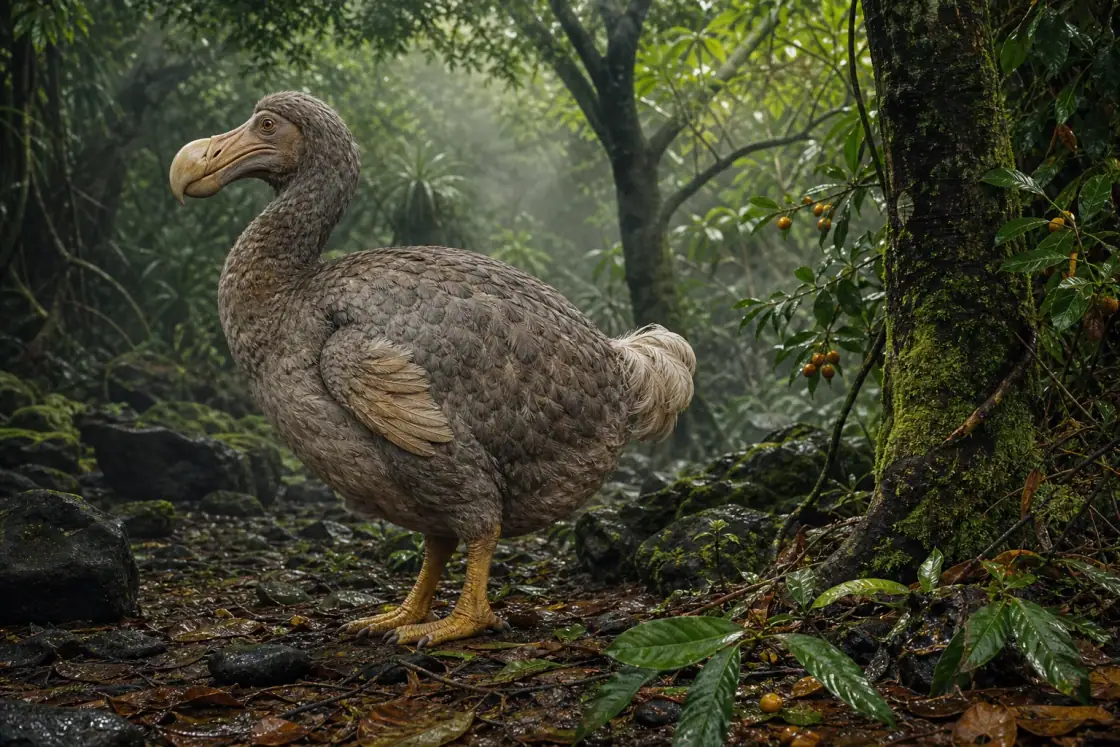
Research on Mauritius documents how the disappearance of large fruit-eating animals altered seed dispersal. Counting how many animal species remain misses whether they can perform the same ecological work. This gives conservation a concrete purpose: preserve functioning relationships, not just a list of names.
Measure whether intervention changes the outcome
IUCN developed the Green Status to assess recovery and the contribution of conservation. Its 2021 assessment identified conservation as having prevented the California condor from going extinct. Preventing disappearance and restoring a species across its range are different goals, so success should be assessed against explicit outcomes.
What remains uncertain
Extinction-rate estimates depend on the groups assessed and incomplete records. Deciding how to allocate conservation resources also involves values, feasibility and local communities; biology alone does not settle every priority.
Related questions
Does conservation mean stopping evolution?
No. Reducing avoidable threats leaves populations able to survive, reproduce and continue changing. The aim is not to hold every ecosystem permanently in one historical state.
Sources & further reading
Where did this question come from?
Why conserve species in an evolving natural world?
Historical republication of a Quora question: 2016-07-07. The wording is paraphrased and grouped by intent. Current follower, answer and view counts are unavailable. These links document the topic's origin; scientific evidence is listed above.
Meet the species
Keep exploring
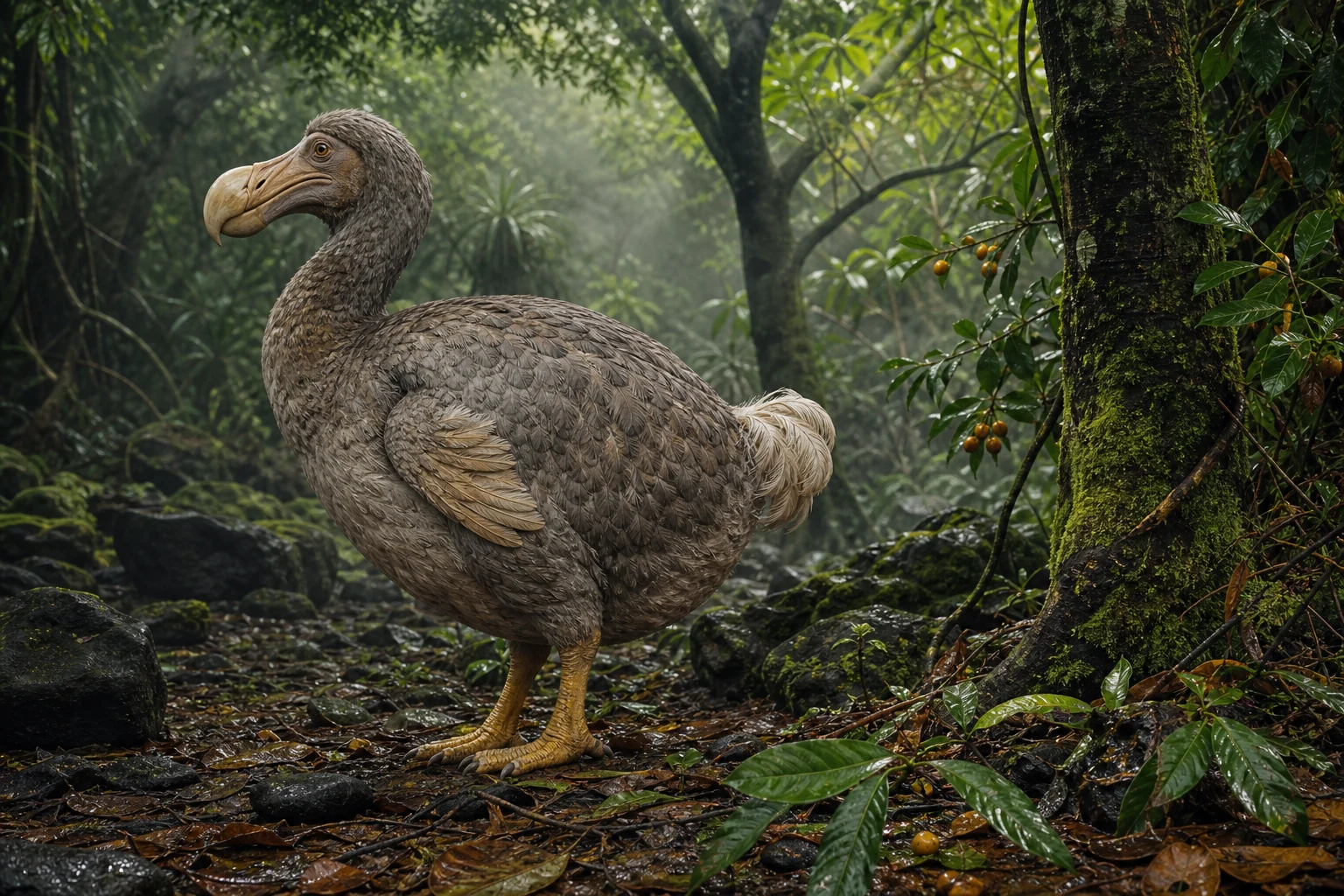
When and why did the dodo go extinct?
The last reliable sighting, uncertainty about the final date, hunting and introduced animals.
Read the answer ↗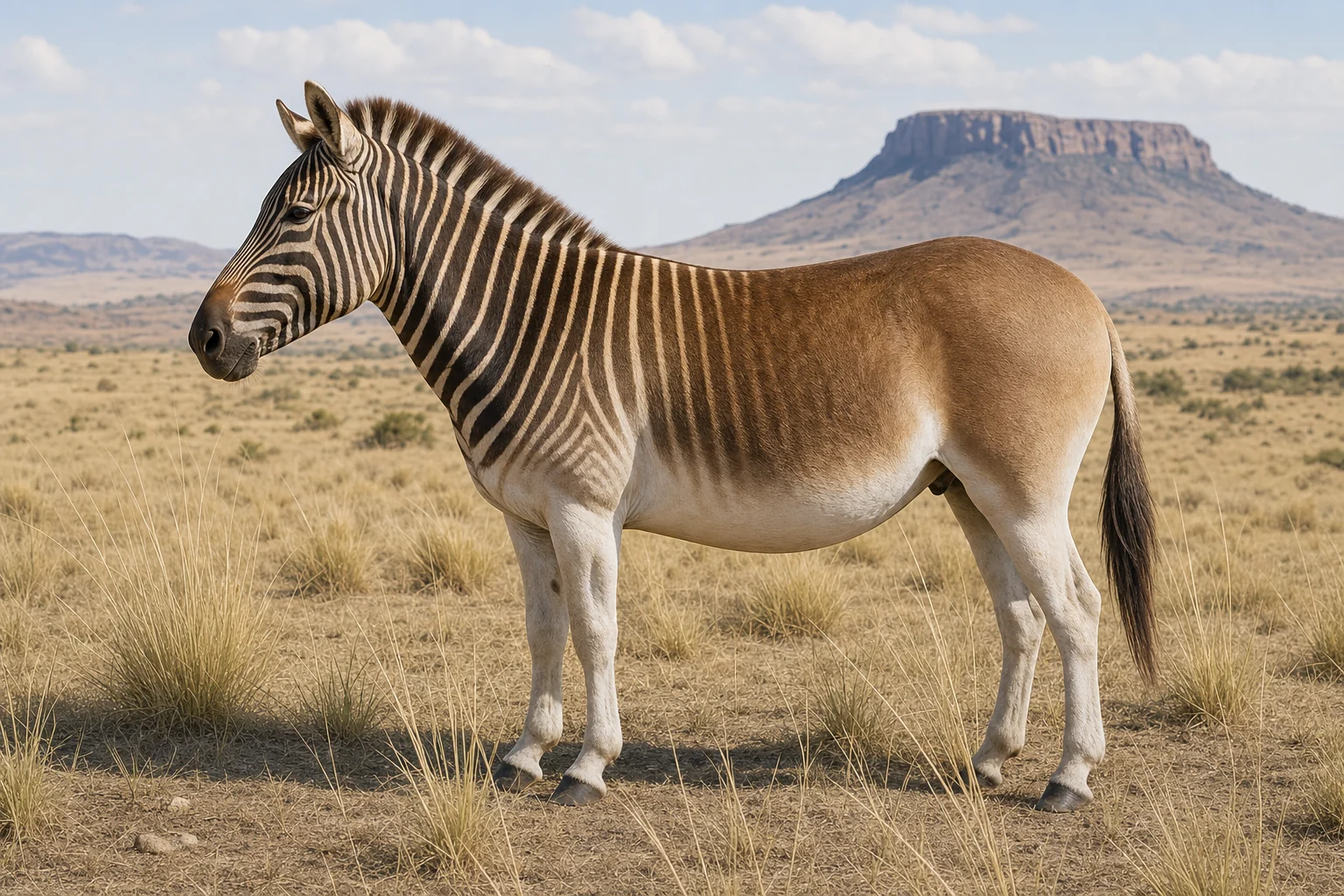
What are some of the most recently extinct animals?
Explore recent losses, with last-record dates kept distinct from extinction dates.
Read the answer ↗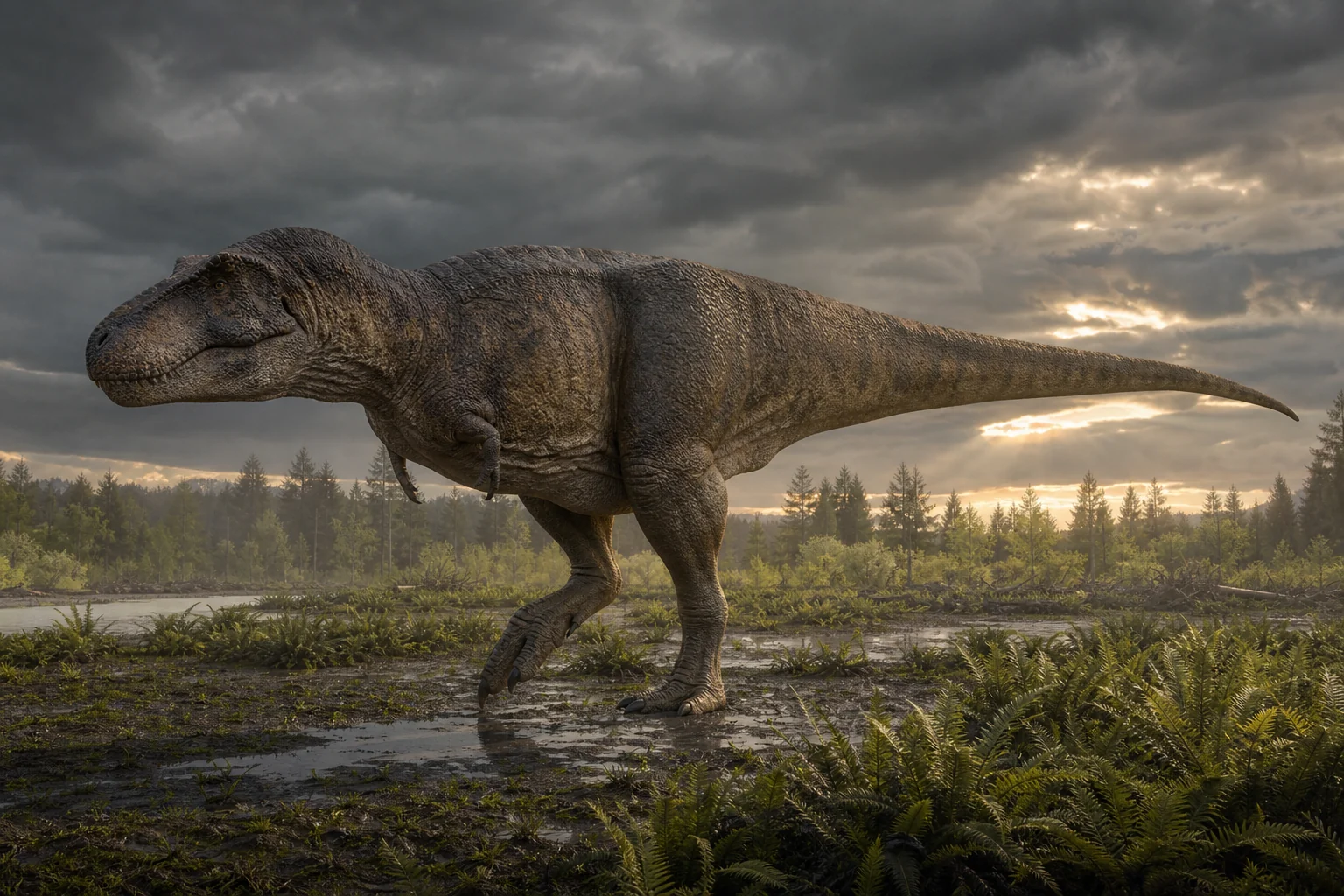
Did dinosaurs live with humans?
Humans never lived with non-avian dinosaurs such as Tyrannosaurus. Those dinosaurs disappeared about 66 million years ago, long before humans evolved. Birds are the surviving dinosaur lineage, however, so humans do live with dinosaurs in the scientific sense. The answer depends on whether the question includes birds.
Read the answer ↗