
Extinction & survival
What animals went extinct because of humans?
Published · Editorial policy
The short answer
Well-documented examples include the passenger pigeon, great auk, dodo and thylacine. Human pressure took different forms: commercial hunting, collecting, deliberate persecution, habitat change and introduced animals. These histories are most useful when compared by cause, rather than presented as a list in which every species was simply hunted away.
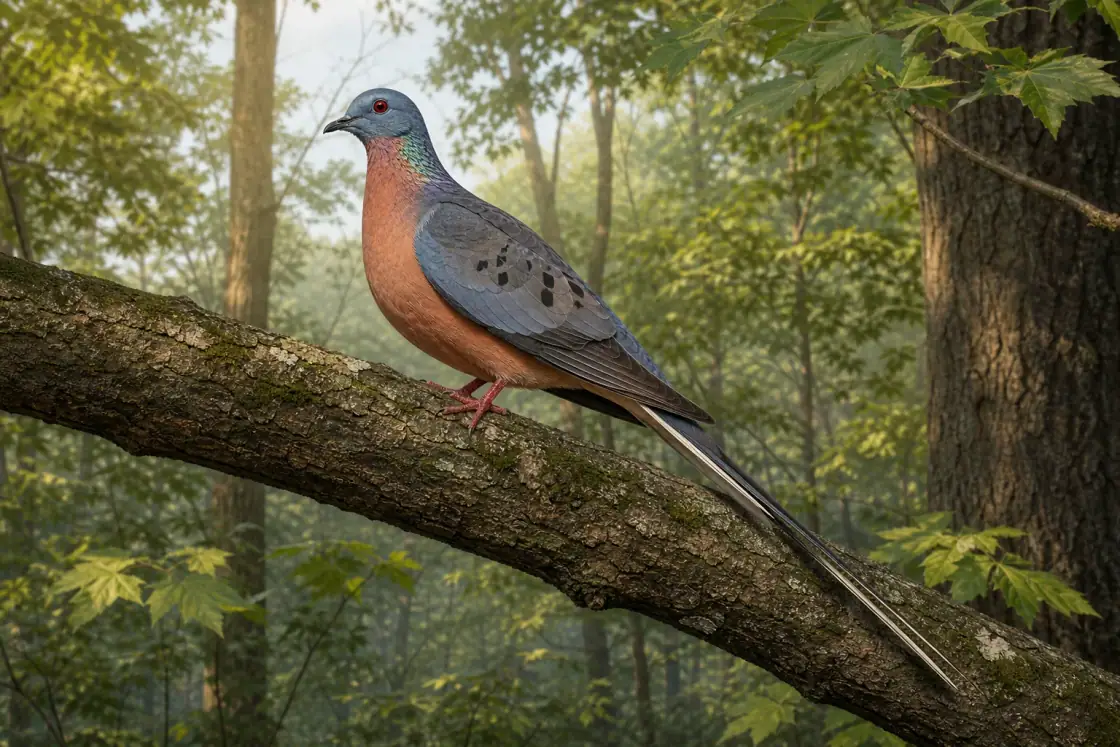
Passenger pigeons and great auks: taking too many
Passenger pigeons faced mass hunting and the clearing of forests that supplied food and nesting places. Their former abundance did not protect them; the last known individual, Martha, died in 1914. Great auks were repeatedly taken at breeding colonies for meat, feathers and other products. As they became rare, demand for specimens and eggs added another pressure. The destruction of a breeding pair on Eldey in 1844 illustrates how collecting could remove reproductive animals when every surviving pair mattered.
The dodo: people changed an entire island
The dodo lived only on Mauritius. People caught the birds, but the human impact extended beyond hunting: settlement changed habitats, and introduced animals disrupted the island's wildlife. Oxford's museum identifies nest predation and habitat damage by introduced mammals as likely major reasons for the rapid decline. This is an important distinction for island extinctions. The people who bring a predator can cause lasting harm even after they stop personally killing the native animal.
The thylacine: persecution backed by rewards
In Tasmania, settlers treated the thylacine as a livestock pest and rewarded its destruction. Government bounty records document an organized campaign rather than accidental encounters. Hunting operated alongside changes to habitat and the arrival of other animals; the importance of additional factors, including disease, is harder to reconstruct. The last known captive thylacine died in Hobart in 1936. That documented death should not be mistaken for a witnessed death of the final animal anywhere in the wild.
What remains uncertain
The human contribution can be clear even when its exact share is unknown. Last confirmed sightings, last captive deaths and the actual loss of the final wild population are different events; historical records rarely give equal precision for all three.
Related questions
Did humans cause every animal extinction?
No. Extinction also occurred long before humans existed. Climate shifts, major environmental disruption and other natural processes have ended species. Human activity is a powerful cause of many recent losses, but each historical or prehistoric case needs its own evidence.
How could a bird numbering in billions disappear?
A large population is not an unlimited supply. Passenger pigeons gathered in enormous flocks that made mass capture possible, while forest clearance reduced habitat and food. Their history shows why the speed and scale of losses matter more than a reassuring old population estimate.
Sources & further reading
- American Museum of Natural History — Passenger Pigeons: Gone Today but Once Abundant ↗
- Natural History Museum — When worlds collide: The lesson of the great auk ↗
- Oxford University Museum of Natural History — The Oxford Dodo ↗
- American Museum of Natural History — The Dodo Bird ↗
- Australian Museum — Thylacine ↗
- National Museum of Australia — Extinction of thylacine ↗
- National Park Service — Extinction Events ↗
Meet the species
Keep exploring
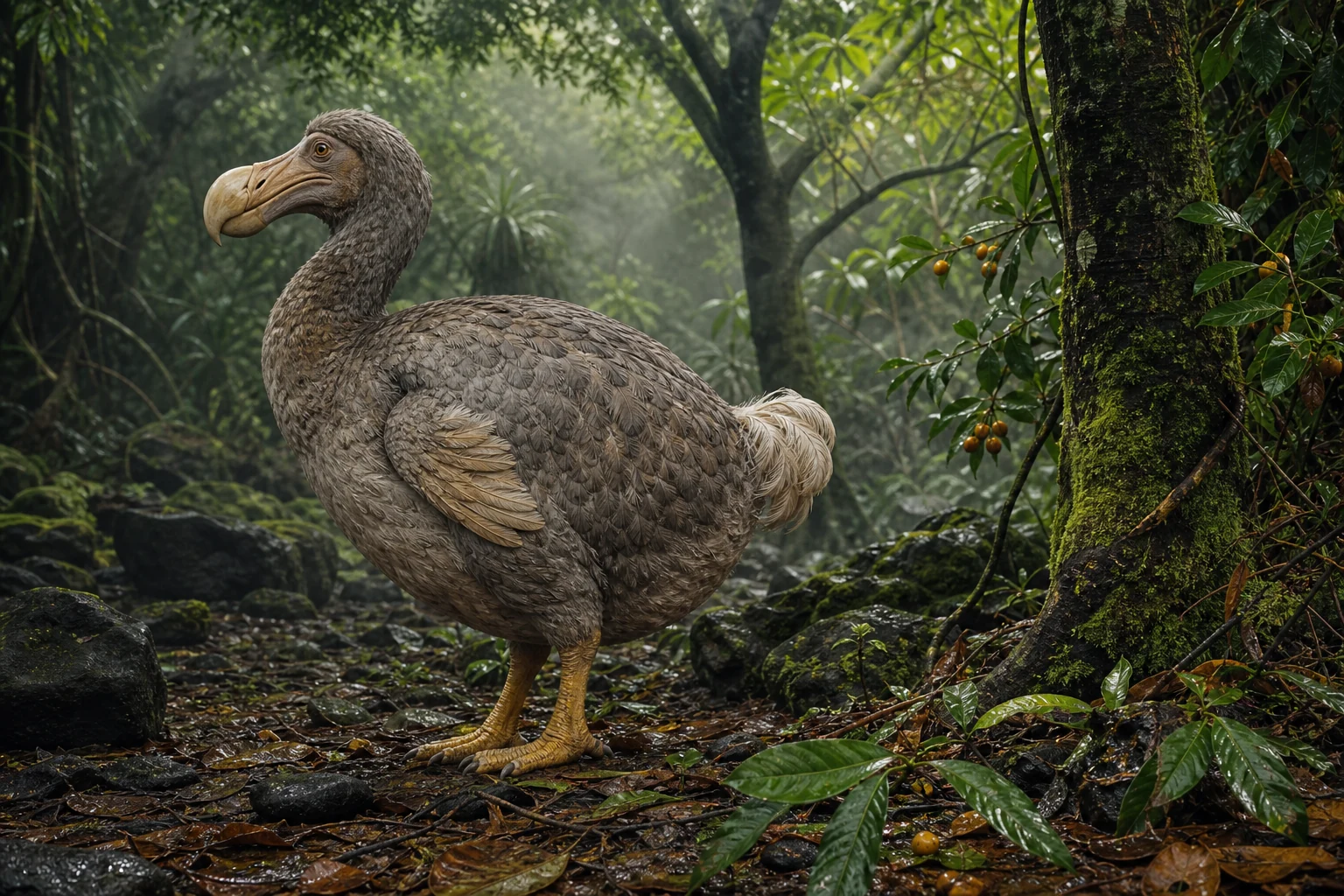
When and why did the dodo go extinct?
The last reliable sighting, uncertainty about the final date, hunting and introduced animals.
Read the answer ↗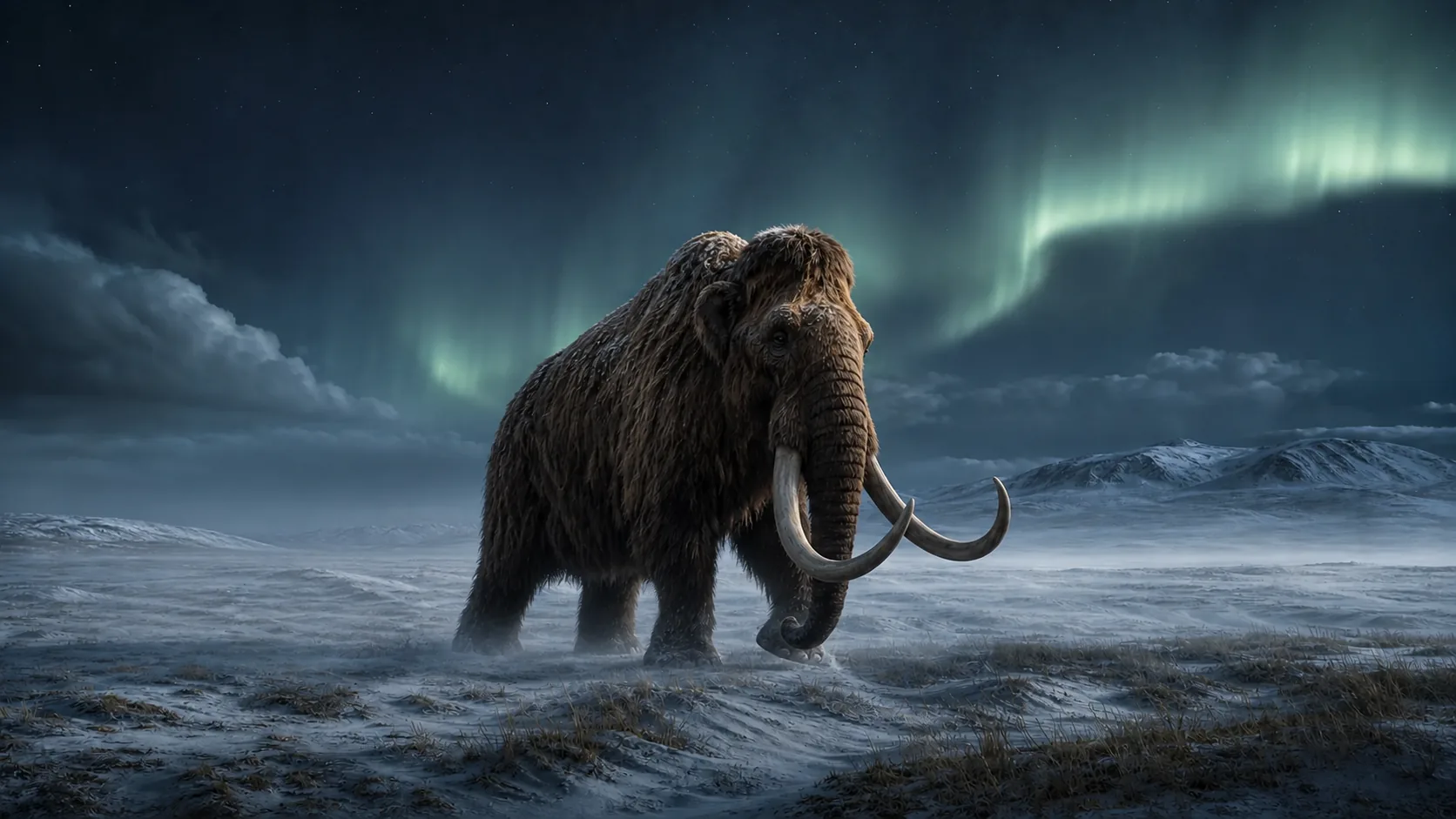
Why did woolly mammoths go extinct?
Climate, human pressure and the last island populations.
Read the answer ↗
What are some of the most recently extinct animals?
Explore recent losses, with last-record dates kept distinct from extinction dates.
Read the answer ↗