106Mesozoic
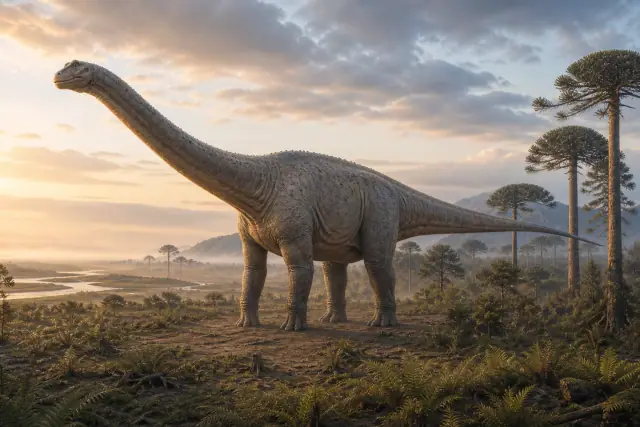
Argentinosaurus
Argentinosaurus huinculensis
A handful of colossal vertebrae and limb bones indicate one of the largest land animals known.
 EXTINCT ATLASEXTINCT LIFE ARCHIVEBack to archive
Period · 143.1–66 million years ago
Browse Cretaceous dinosaurs, marine reptiles, birds, insects and flowering plants before the extinction 66 million years ago.
Argentinosaurus huinculensis
A handful of colossal vertebrae and limb bones indicate one of the largest land animals known.
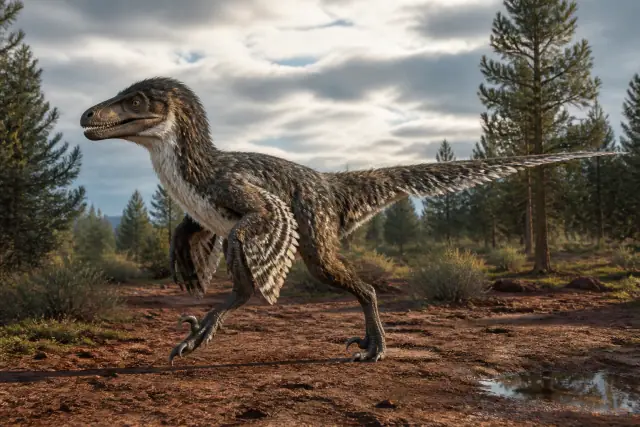
Utahraptor ostrommaysorum
This huge, robust dromaeosaur used strength and a curved second-toe claw to control prey.
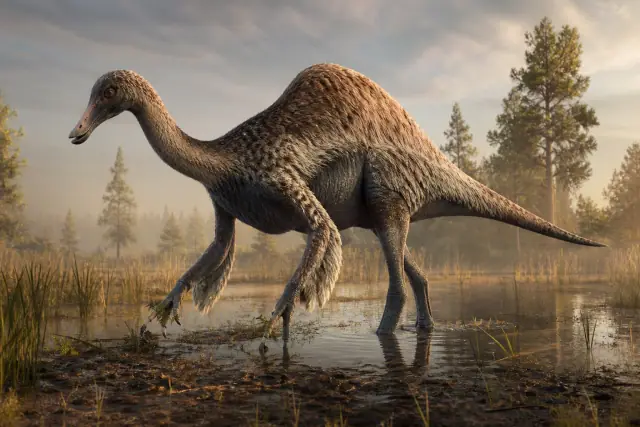
Deinocheirus mirificus
Huge arms, a broad bill, a tall back and wide feet formed one of the strangest dinosaur silhouettes.
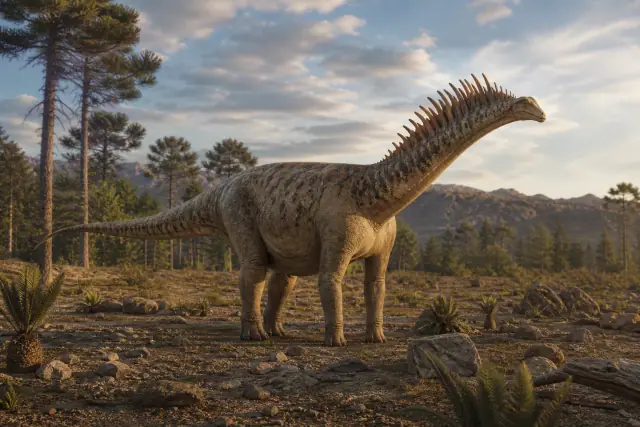
Amargasaurus cazaui
Two rows of elongated neck spines made its profile unique, though their soft-tissue covering remains debated.
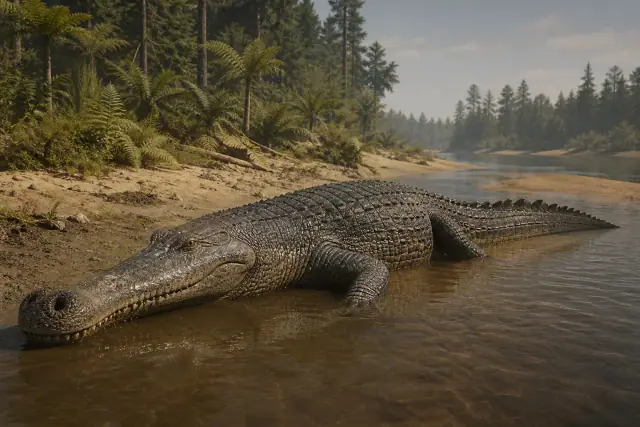
Sarcosuchus imperator
This long-snouted armored crocodyliform was not a direct ancestor of living crocodiles.
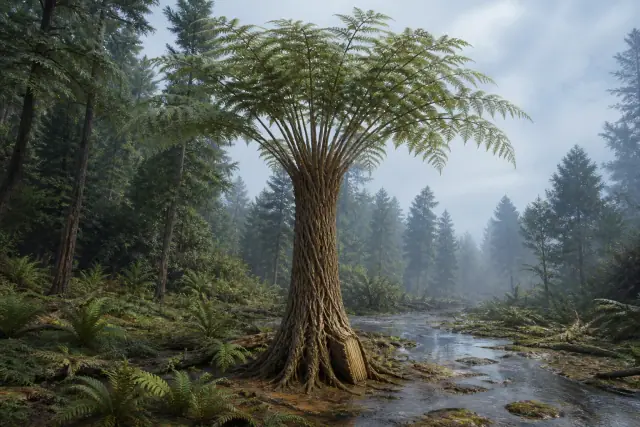
Tempskya rossica
What looked like one trunk was a false stem woven from many small axes and adventitious roots.
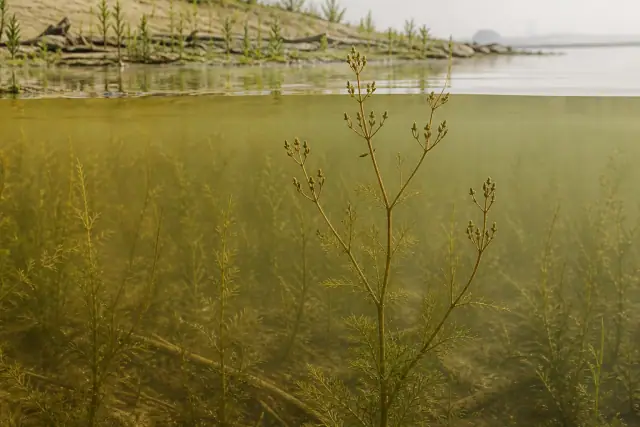
Archaefructus liaoningensis
Elongated aquatic stems bore petal-less reproductive structures important to debates about early flowering plants.
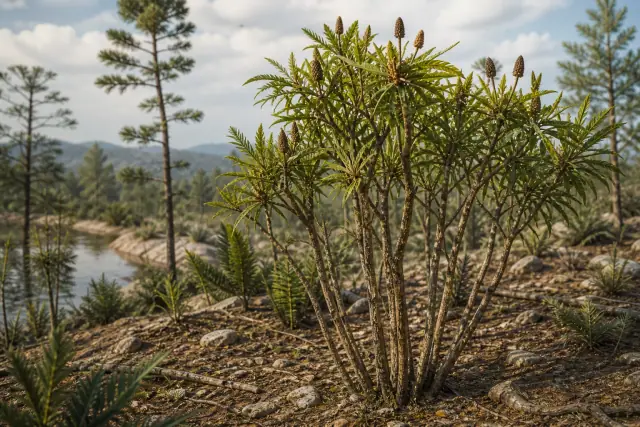
Pentoxylon sahnii
Several separate woody columns occupied one stem beneath clusters of long leaves and unusual male and female organs.
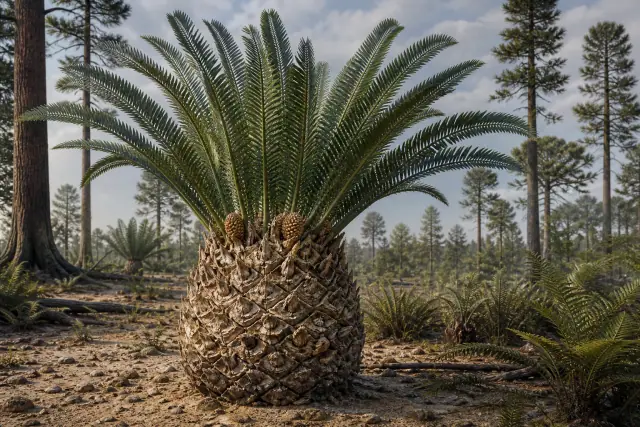
Cycadeoidea gigantea
A stout barrel-shaped trunk held a pinnate crown and many flower-like bisexual reproductive structures among old leaf bases.
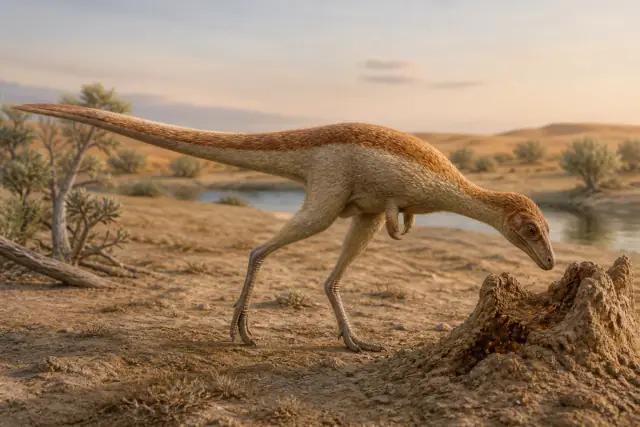
Mononykus olecranus
Each tiny forearm ended in one stout main claw, perhaps used to tear open insect nests like a modern anteater.
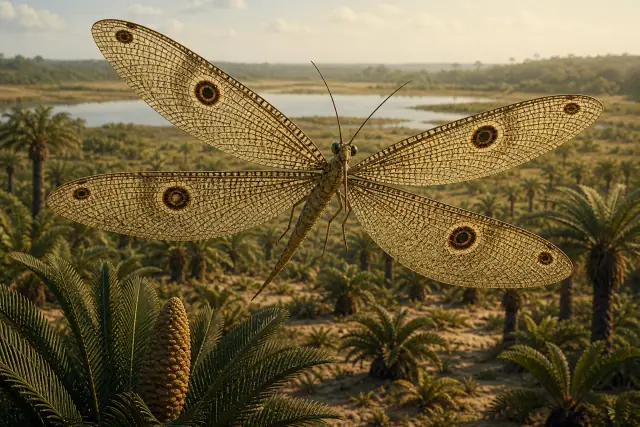
Makarkinia adamsi
Scaling from the surviving wing fragment suggests a wing as long as 16 centimeters, among the largest lacewings known.
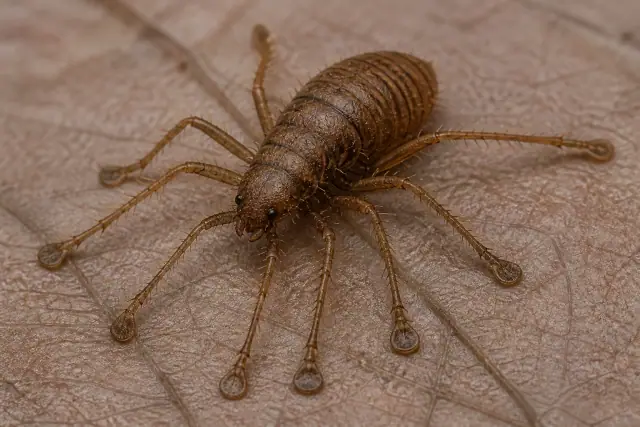
Saurophthirus exquisitus
Broad pads at the tips of long legs could grip a smooth wing membrane, suggesting a possible life on pterosaurs.
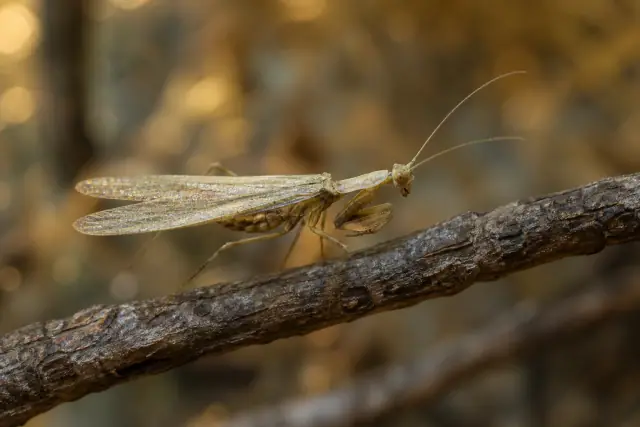
Santanmantis axelrodi
Only about a centimeter long, it already folded spine-lined grasping forelegs beneath its chest.
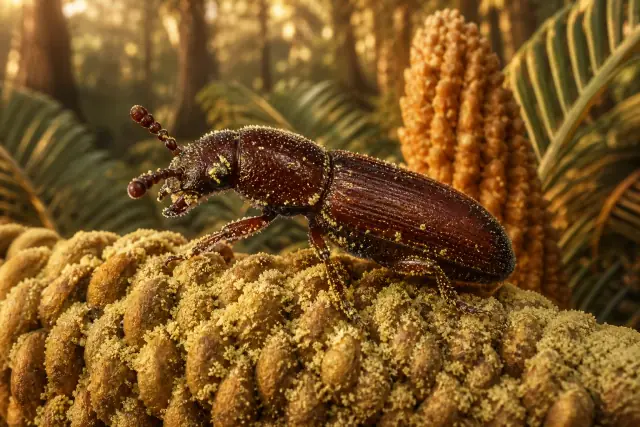
Cretoparacucujus cycadophilus
Cycad pollen lies beside it in amber, and its jaws bear small specialized pits for transporting pollen.
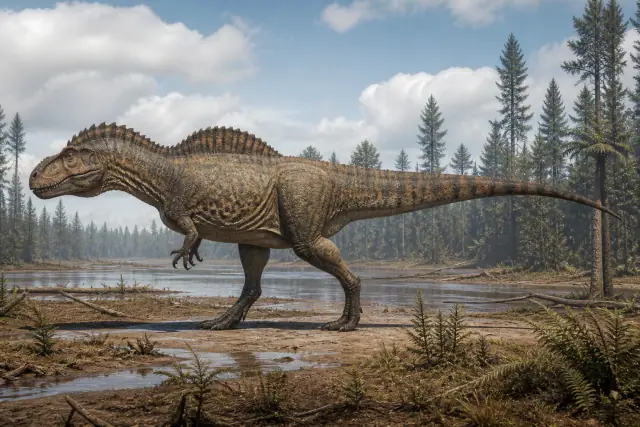
Acrocanthosaurus atokensis
Tall neural spines along the neck and back supported a muscular ridge rather than a paper-thin sail.
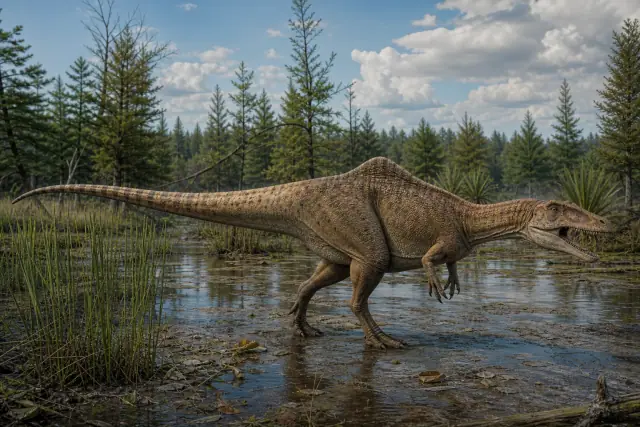
Concavenator corcovatus
Two very tall vertebrae ahead of the hips formed a short steep back crest, while the forearm carried unusual knobs.
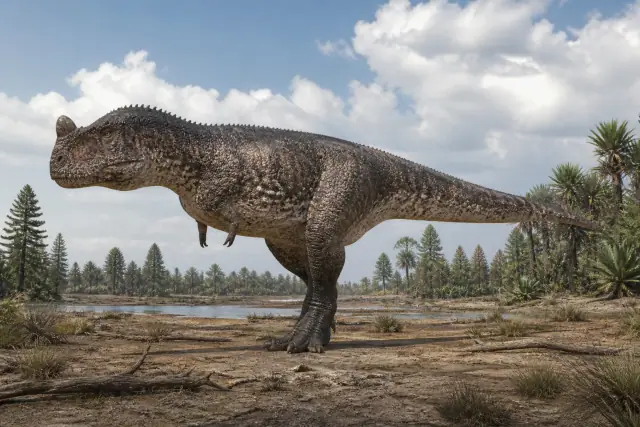
Majungasaurus crenatissimus
A short deep skull carried a rounded horn, while tooth marks on its own species provide rare scavenging evidence.
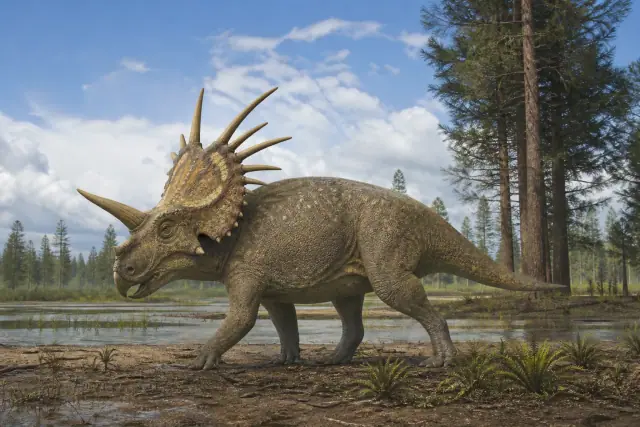
Styracosaurus albertensis
A huge nasal horn and long spikes radiating from the frill made one of the most dramatic ceratopsian heads.
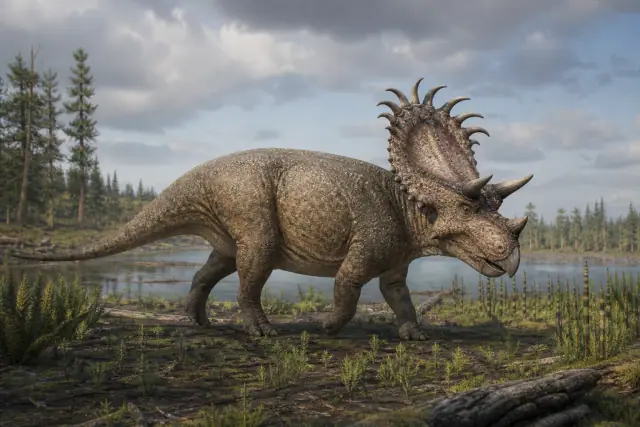
Kosmoceratops richardsoni
Fifteen horn-like ornaments across the nose, brows and broad frill formed a folded crown around the skull.
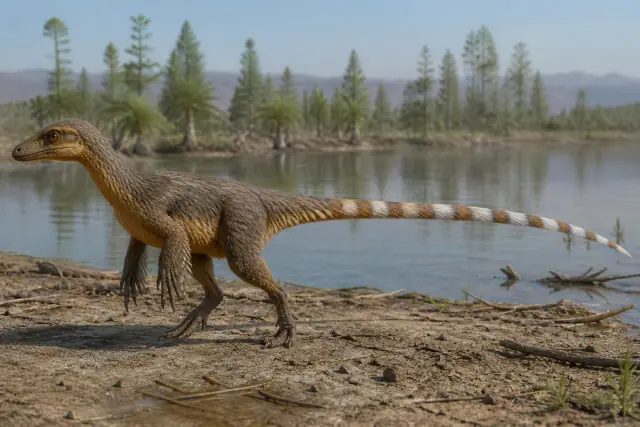
Sinosauropteryx prima
Simple filamentous feathers and tail color bands made it the first dinosaur restored with evidence-based coloration.
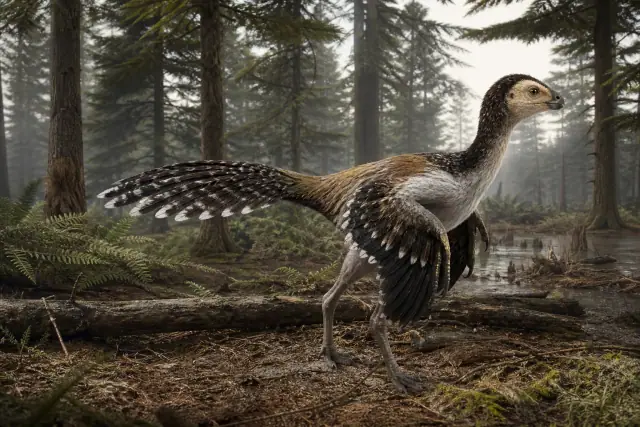
Caudipteryx zoui
Orderly vaned feathers covered its arms and short tail, but symmetric feathers and body proportions prevented powered flight.
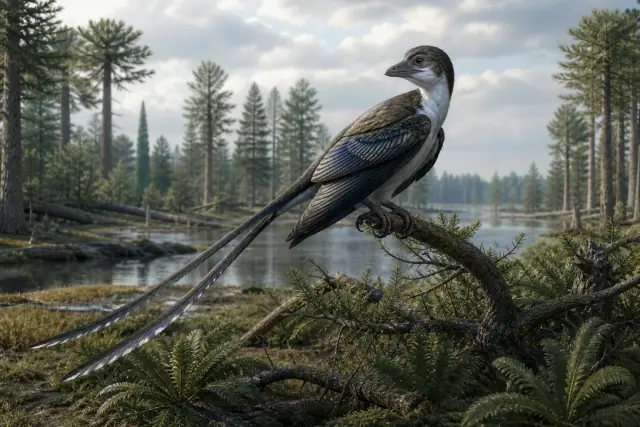
Confuciusornis sanctus
A toothless beak, clawed wings and—in some individuals—two long ribbon-like tail feathers appeared together.
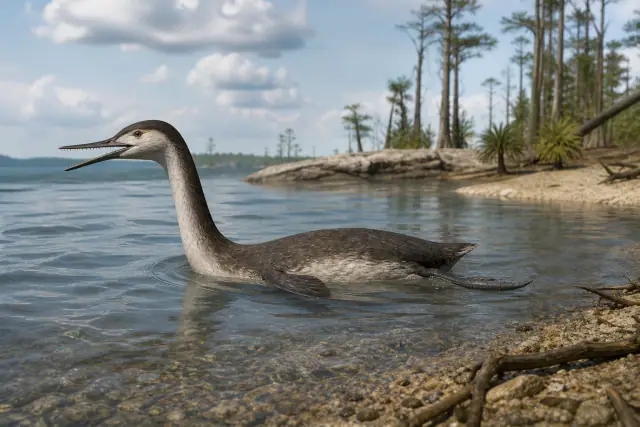
Hesperornis regalis
Its wings shrank to small bones while rear-set legs turned it into a superb Mesozoic pursuit diver.
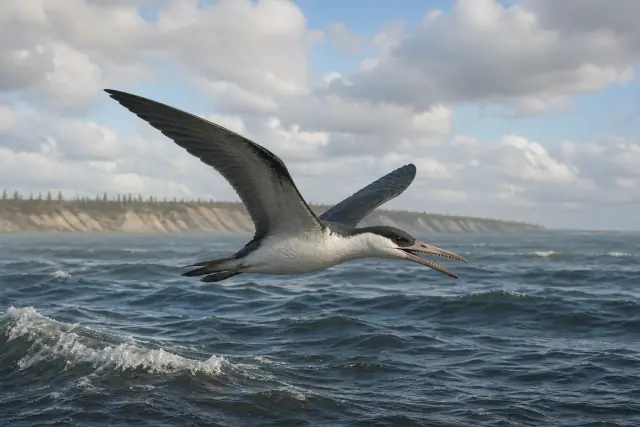
Ichthyornis dispar
Its body and flight resembled a tern, but a row of true teeth remained inside the long jaws.