229Mesozoic
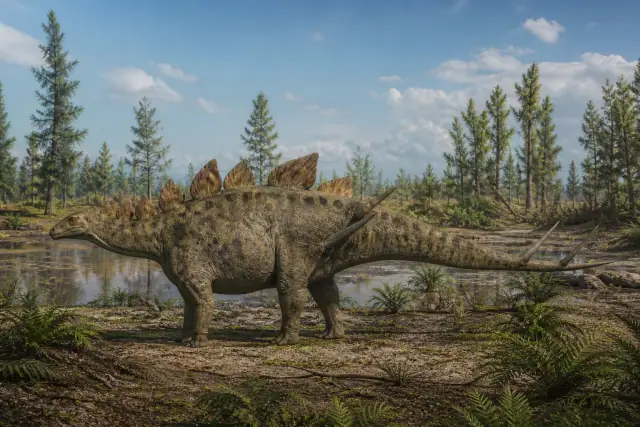
Kentrosaurus
Kentrosaurus aethiopicus
Plates covered the front body while long paired spikes armed the hips and tail, concentrating defense behind it.
 EXTINCT ATLASEXTINCT LIFE ARCHIVEBack to archive
Period · 201.4–143.1 million years ago
Explore Jurassic animals from sauropods and stegosaurs to early birds, pterosaurs and marine predators.
Kentrosaurus aethiopicus
Plates covered the front body while long paired spikes armed the hips and tail, concentrating defense behind it.
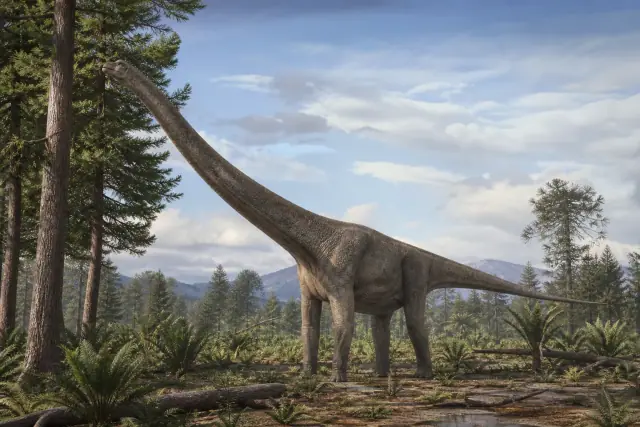
Mamenchisaurus hochuanensis
Nineteen elongated neck vertebrae placed nearly half the body's length in the neck, lightened internally by air spaces.
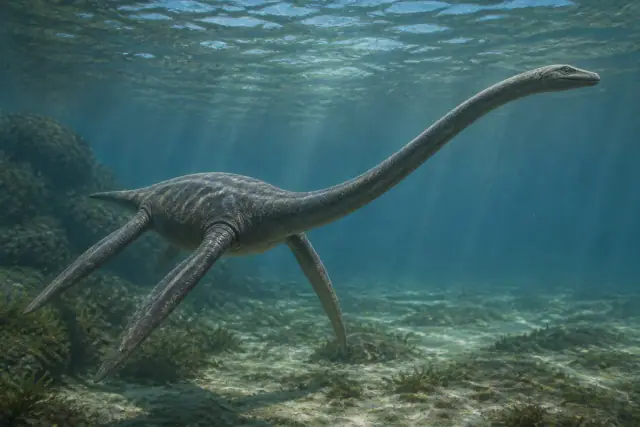
Plesiosaurus dolichodeirus
Four long flippers flew through water while a long flexible neck carried the small head toward prey.
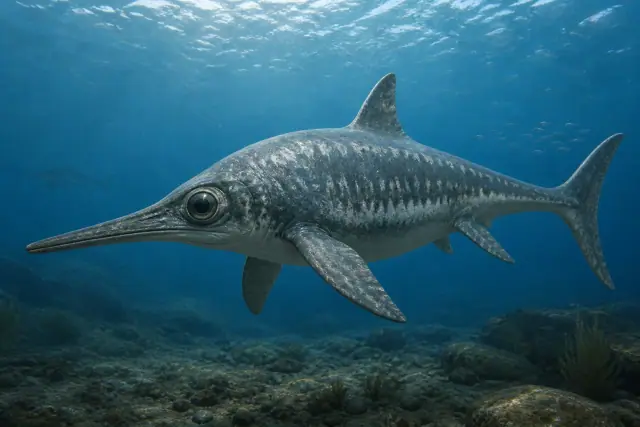
Ophthalmosaurus icenicus
Huge bony eye rings supported vision under pressure and may have helped track soft prey in dim water.
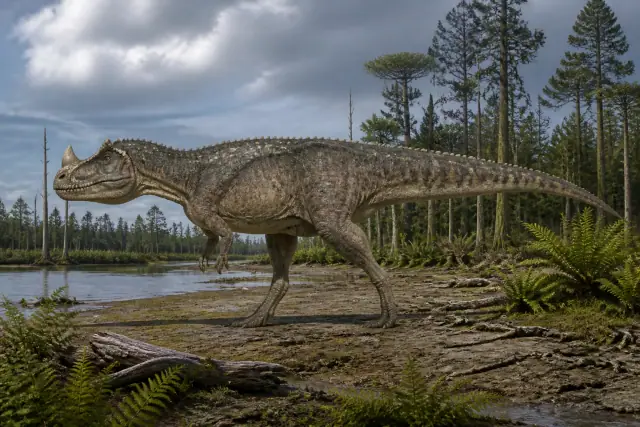
Ceratosaurus nasicornis
A nasal horn, brow ridges and small midline osteoderms made this predator unmistakable.
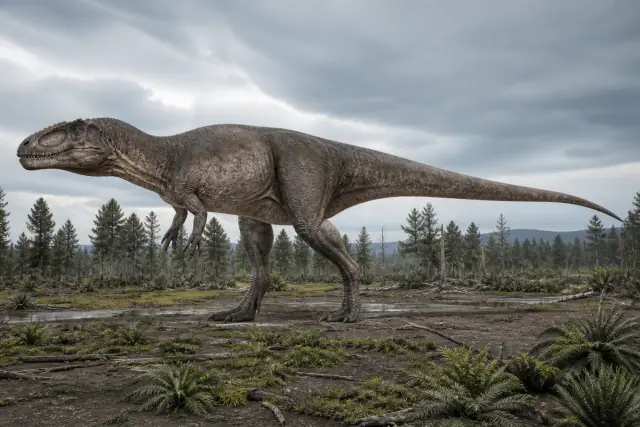
Torvosaurus tanneri
A huge skull and unusually powerful three-fingered arms marked one of the largest megalosaurids.
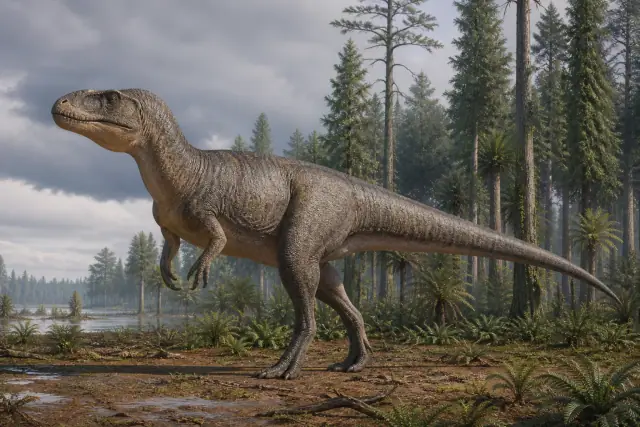
Megalosaurus bucklandii
The first formally named non-avian dinosaur later became a wastebasket for unrelated theropod bones.
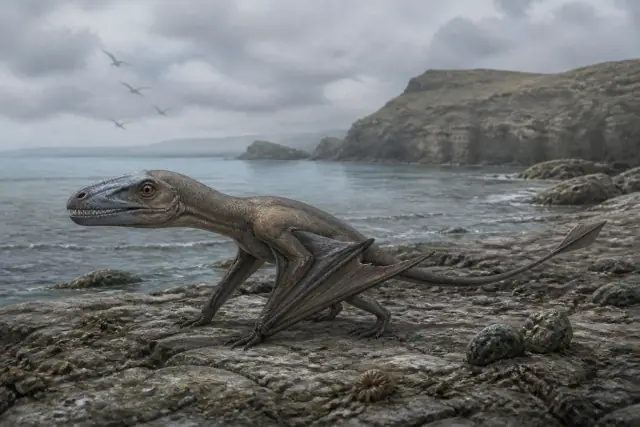
Dimorphodon macronyx
Two distinct tooth shapes gave this early pterosaur its name.
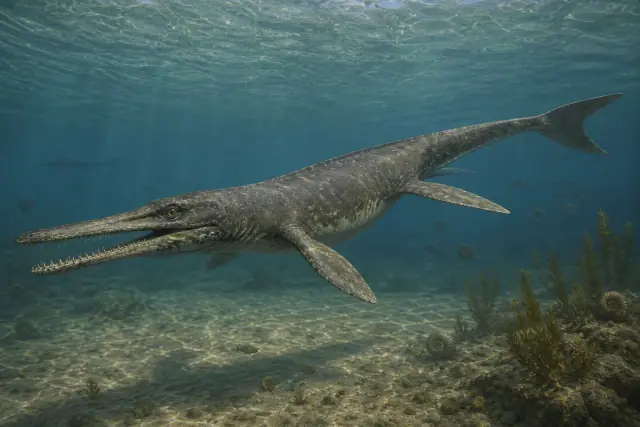
Metriorhynchus superciliosus
Flippers, a downturned tail fin and reduced armor transformed a crocodile relative into a pelagic swimmer.
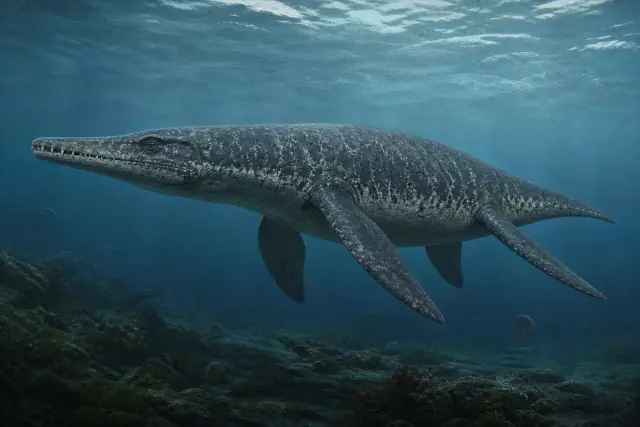
Pliosaurus funkei
A skull nearly two meters long and huge teeth formed an apex-predator bite apparatus.
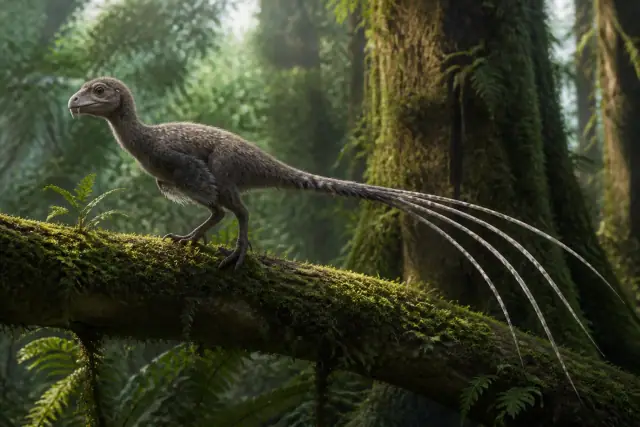
Epidexipteryx hui
Four long tail feathers displayed rather than powering flight.
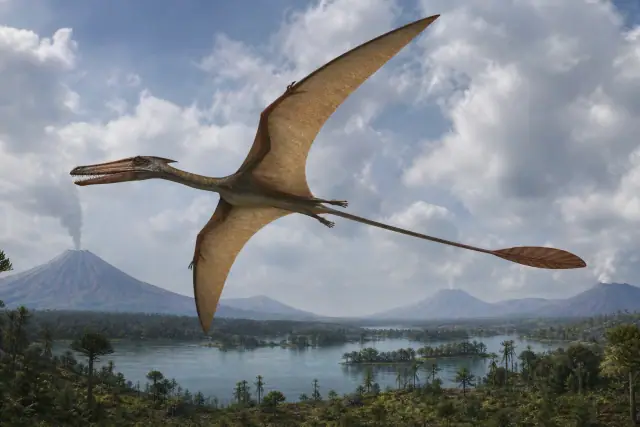
Darwinopterus modularis
A long tail and advanced skull combine features once separated between pterosaur groups.
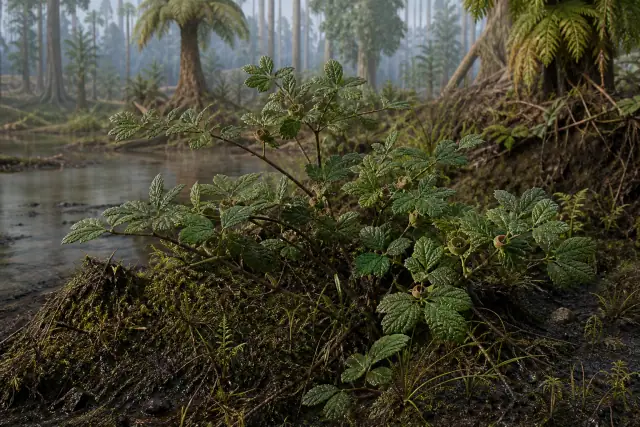
Sagenopteris rhoifolia
Four net-veined leaflets belonged to a seed fern rather than a true fern.
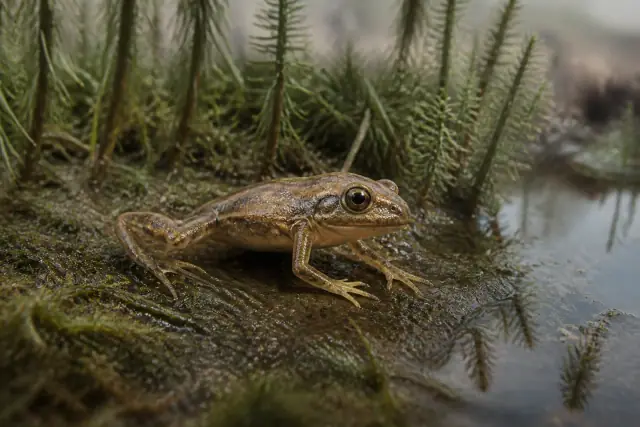
Vieraella herbstii
The adult tail was gone, but the trunk remained more primitive than in modern frogs.
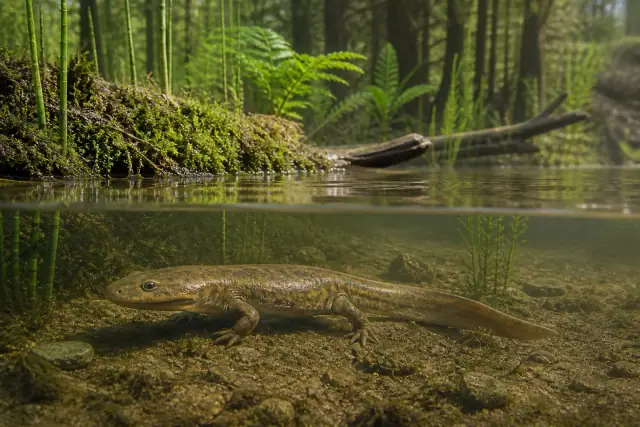
Karaurus sharovi
A broad head, short trunk and long tail show the salamander plan already well established.
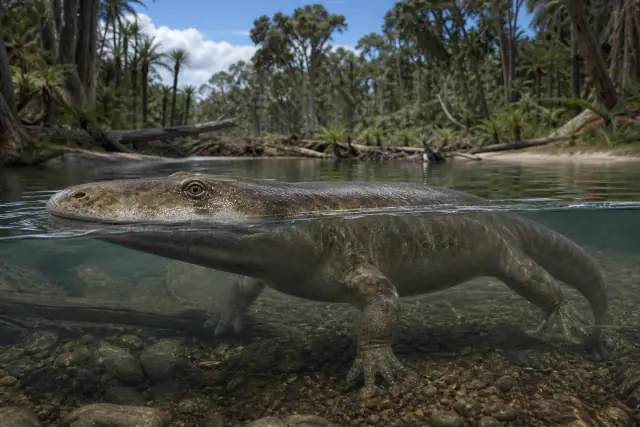
Siderops kehli
A giant temnospondyl still occupied river ambush niches in the dinosaur era.
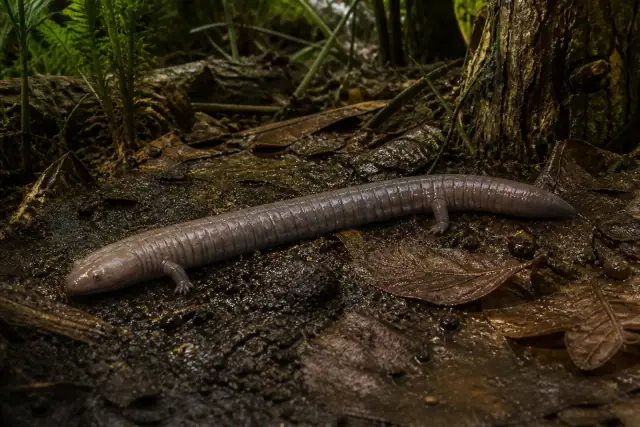
Eocaecilia micropodia
It had a caecilian-like body but still retained four tiny legs.
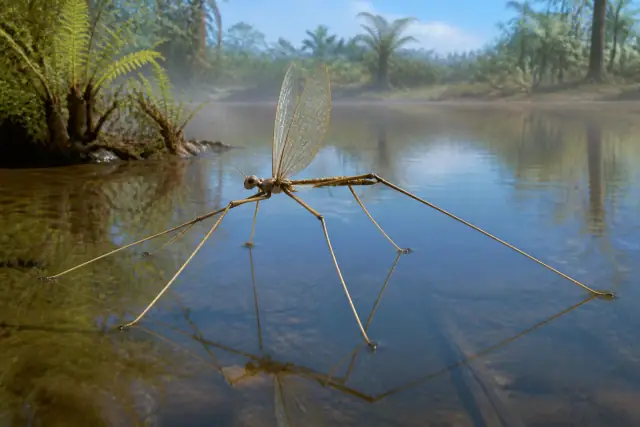
Chresmoda obscura
Six extremely long legs may have spread its weight across the water surface.
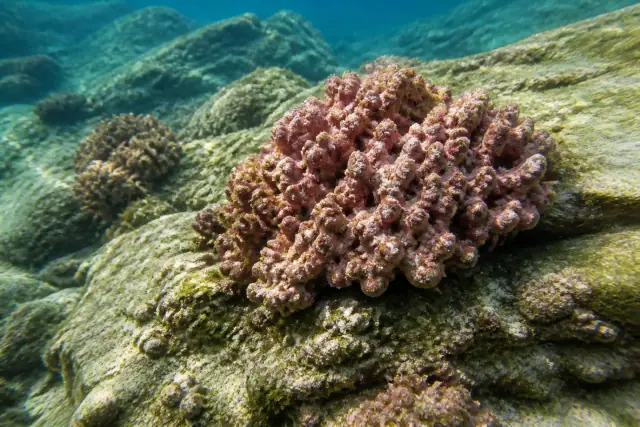
Solenopora jurassica
Pink calcified masses were long assigned to red algae, but their identity is being reassessed.
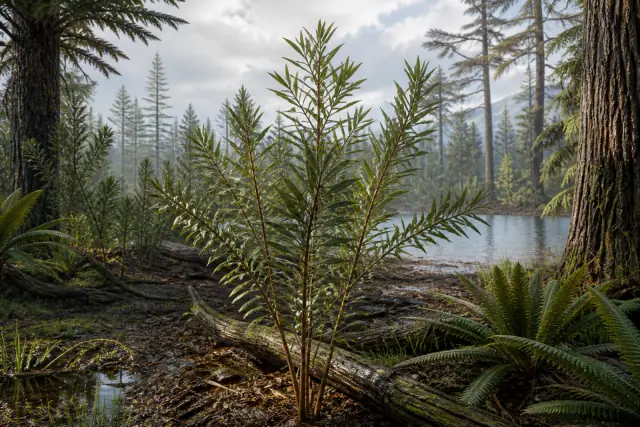
Podozamites lanceolatus
Orderly lance-shaped leaves lined stems of a widespread but enigmatic plant.
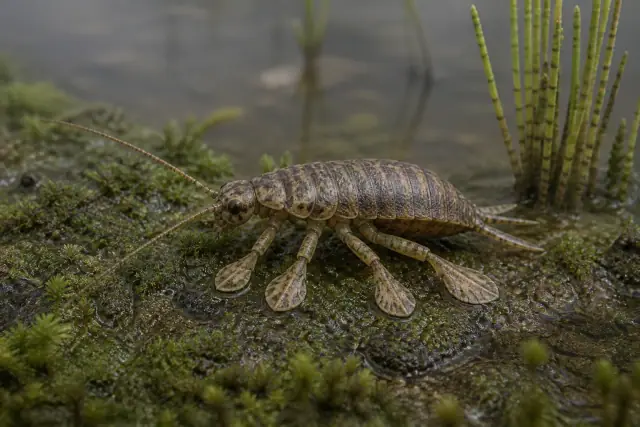
Strashila incredibilis
Once imagined as a parasite, it was later shown to have an aquatic juvenile stage.
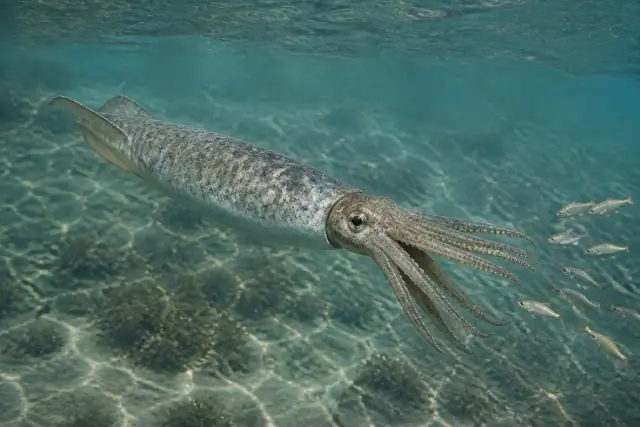
Belemnotheutis antiquus
Rare soft tissues restore the ink sac, fins and ten hooked arms around an internal shell.
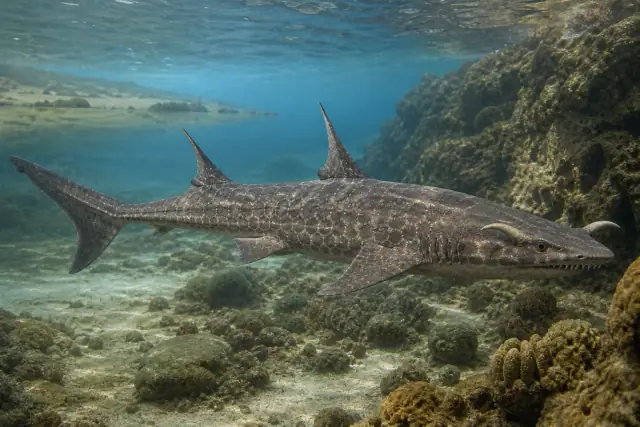
Hybodus reticulatus
Dorsal fin spines and two tooth shapes handled fish and hard-shelled prey.
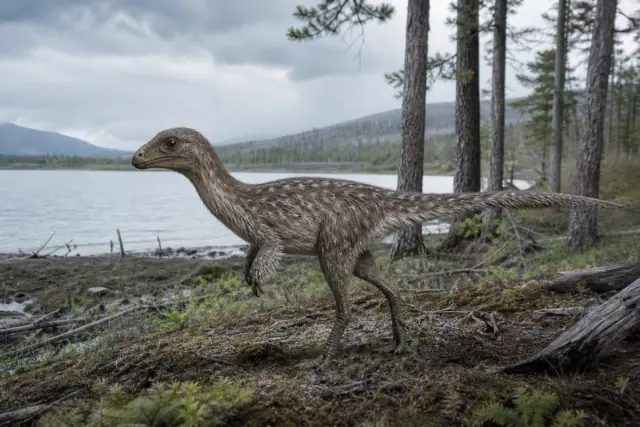
Kulindadromeus zabaikalicus
Scales, simple filaments and branching feather-like structures covered one small herbivore.