296Cenozoic
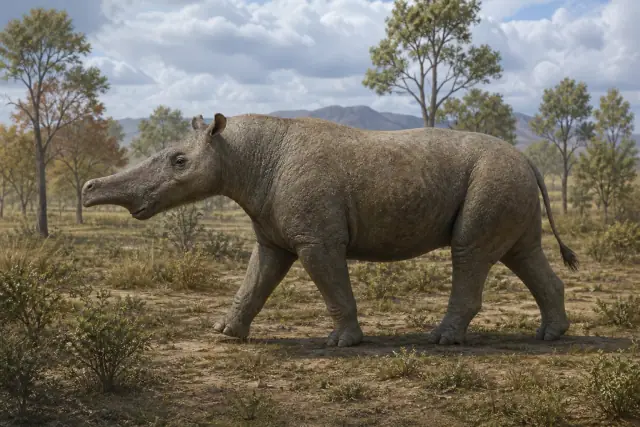
Embolotherium
Embolotherium andrewsi
A broad hollow nasal ram rose from the skull of this immense brontothere.
 EXTINCT ATLASEXTINCT LIFE ARCHIVEBack to archive
Period · 66–23.04 million years ago
Meet early whales, giant birds and diverse mammals from the Paleocene, Eocene and Oligocene.
Embolotherium andrewsi
A broad hollow nasal ram rose from the skull of this immense brontothere.
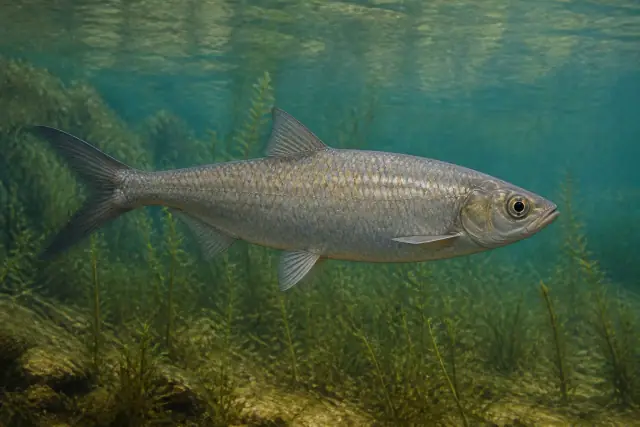
Diplomystus dentatus
Schools of herring-like fish were sealed into fine lake sediments.
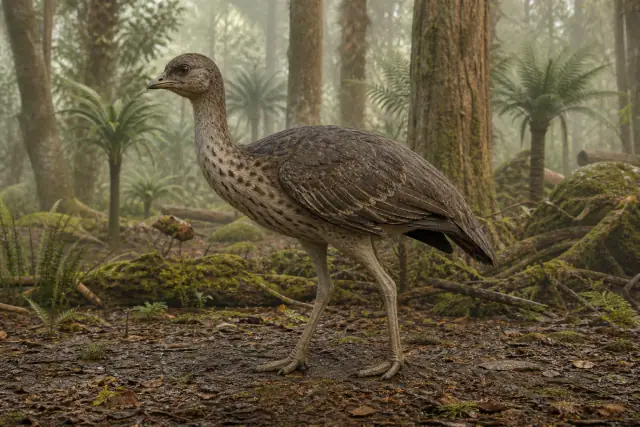
Lithornis vulturinus
A strong flyer belonged near lineages whose living members are mostly flightless.
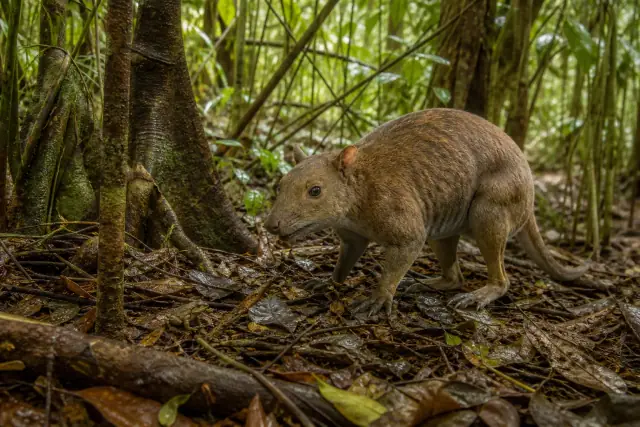
Ekaltadeta ima
Deep jaws and slicing teeth suggest an ancient kangaroo relative that ate meat.
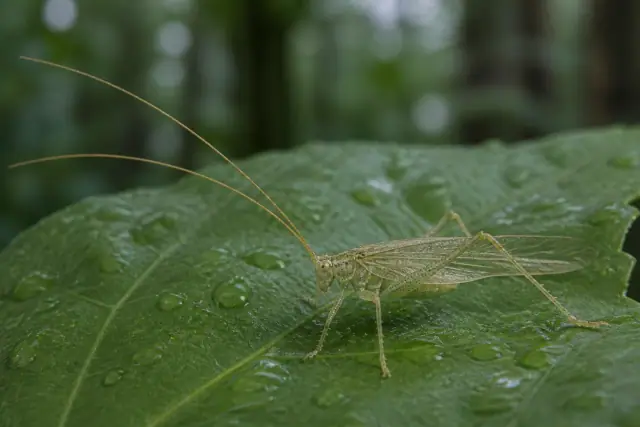
Eomortoniellus handlirschi
Tiny ear canals in the forelegs show that it heard ultrasonic calls.
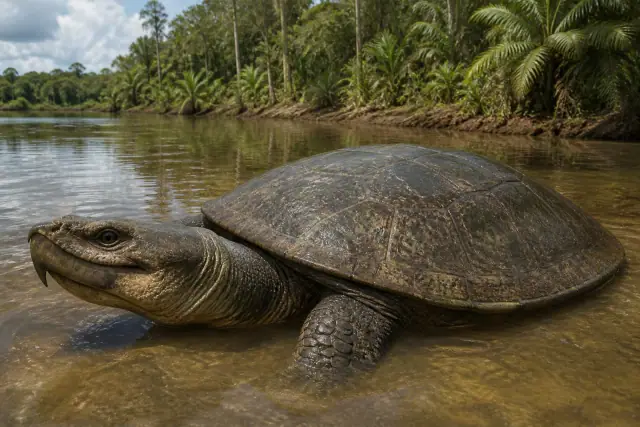
Carbonemys cofrinii
A shell nearly two meters long came from hot wetlands soon after the dinosaur extinction.
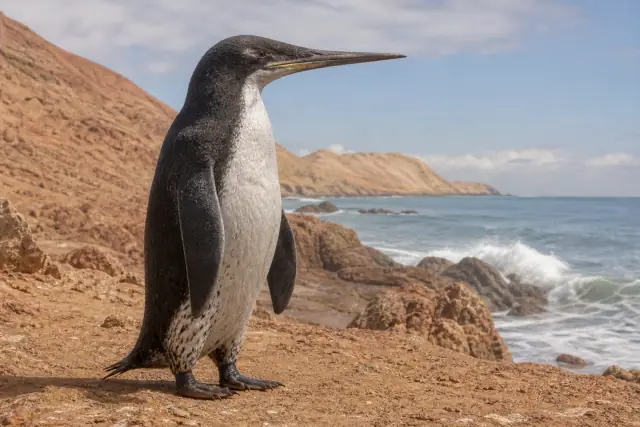
Icadyptes salasi
A one-and-a-half-meter penguin lived near the equator with a spear-like beak.
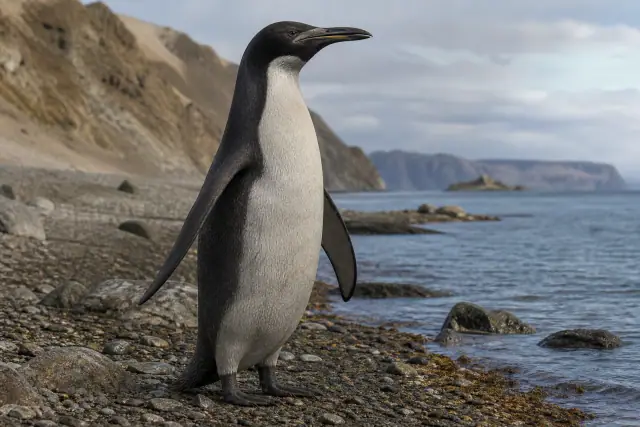
Anthropornis nordenskjoeldi
At almost 1.8 meters, it was a giant diver on a warmer Antarctic coast.
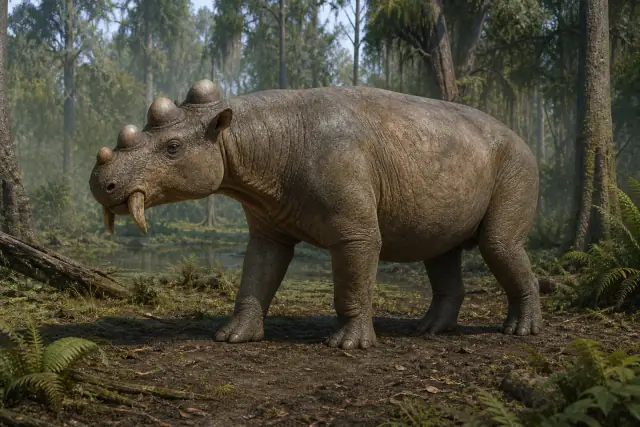
Eobasileus cornutus
Three pairs of skull bosses and long canines crowned a rhino-sized herbivore.
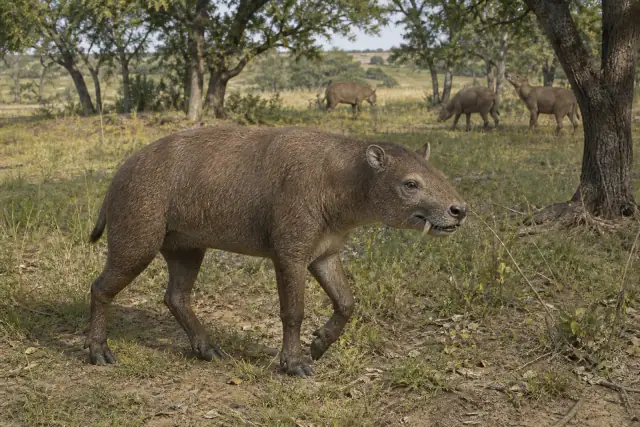
Merycoidodon culbertsonii
A short face, tusk-like canines and grinding cheeks marked a herd-forming artiodactyl relative.
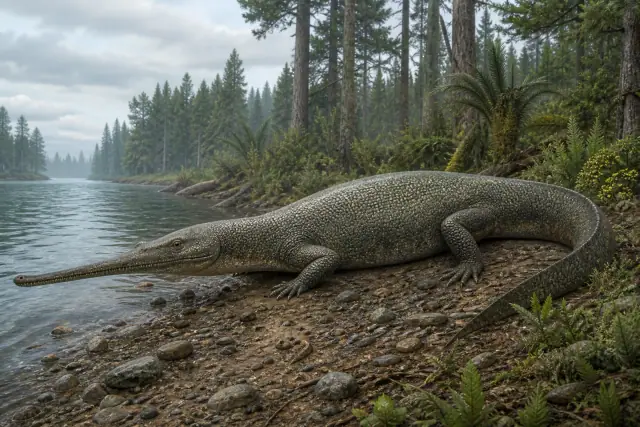
Champsosaurus gigas
Long jaws and a powerful tail let choristoderes retain a crocodile-like niche after the dinosaurs.
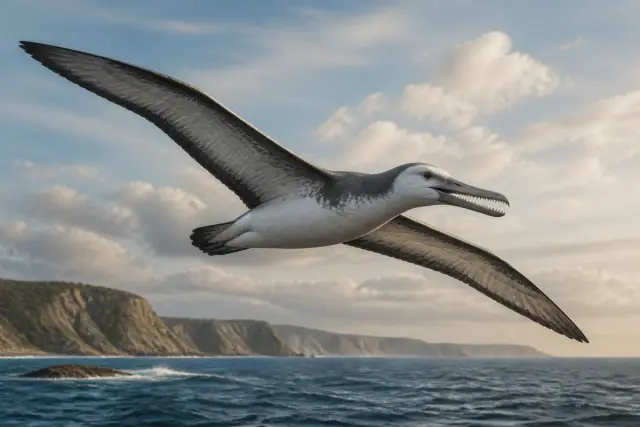
Dasornis emuinus
A near-six-meter wingspan and bony pseudoteeth armed a giant seabird.
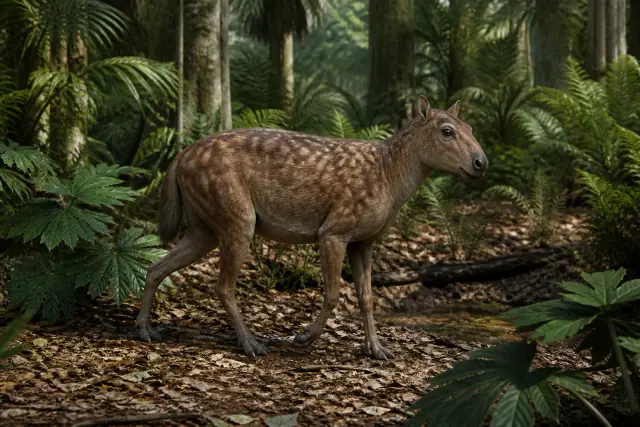
Propalaeotherium hassiacum
This fox-sized perissodactyl was a palaeothere relative, not a direct horse ancestor.
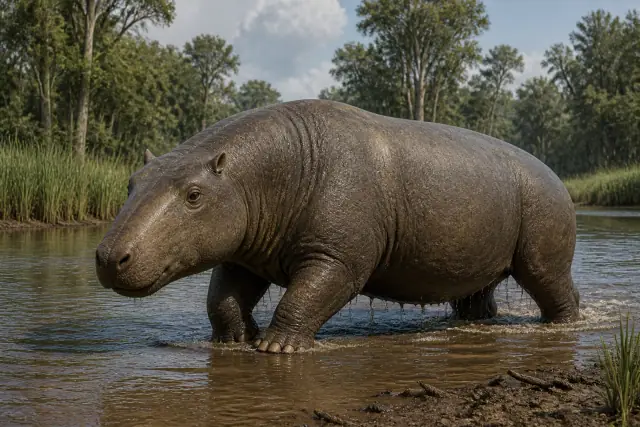
Metamynodon planifrons
Short legs, a broad body and high-set eyes adapted a hornless rhinoceros relative to semiaquatic life.
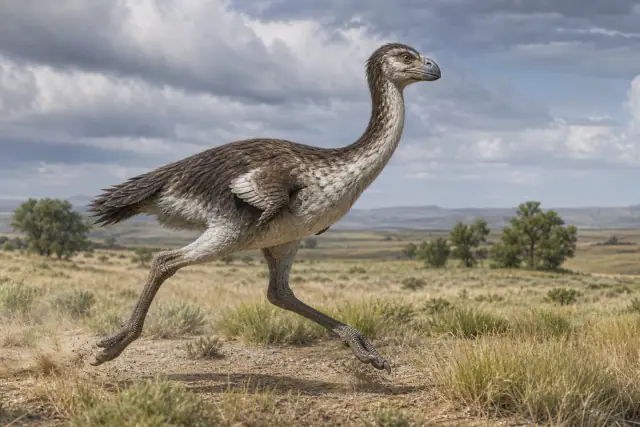
Bathornis grallator
Long legs and a strong beak belonged to a terrestrial bird with little or no flight.
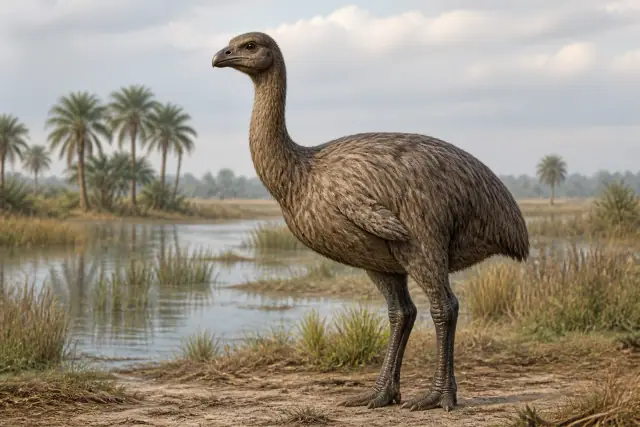
Eremopezus eocaenus
Robust leg bones belonged to a giant flightless African bird whose skull remains unknown.
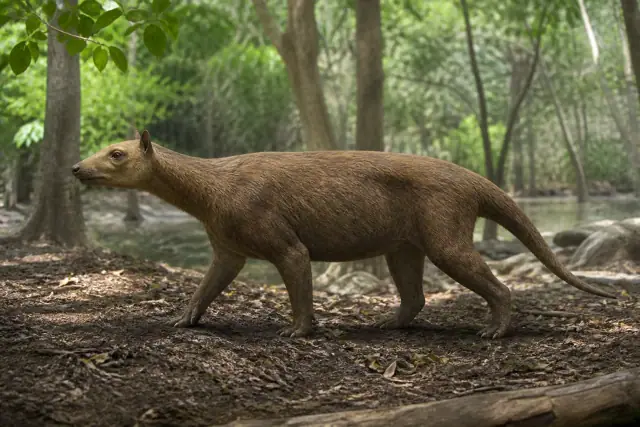
Phenacodus primaevus
Five-toed feet and generalized teeth record an early radiation of hoofed-mammal relatives.
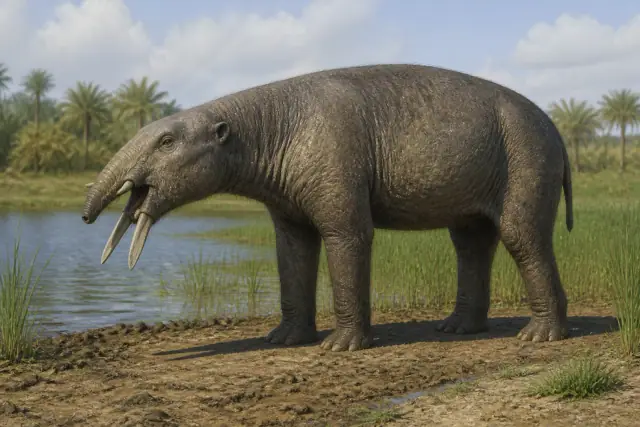
Palaeomastodon beadnelli
A short trunk and upper and lower tusks mark an early stage of proboscidean evolution.
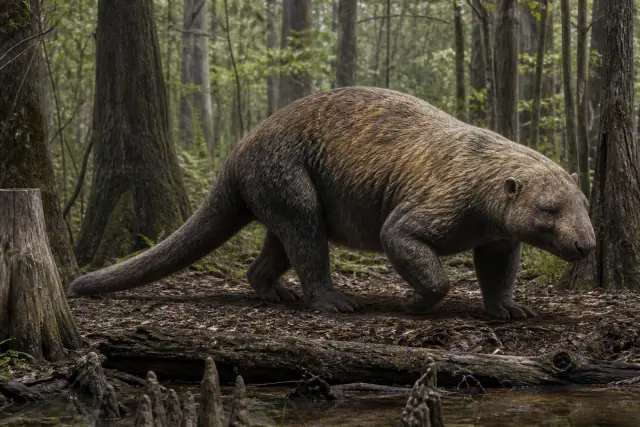
Barylambda faberi
A bear-sized heavy body and five-toed feet belonged to a pantodont herbivore.
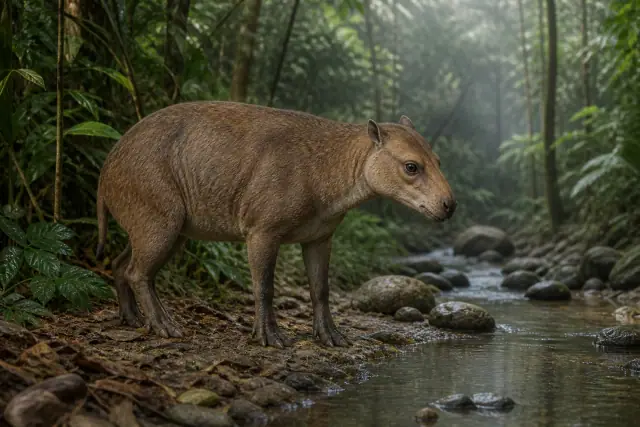
Hyrachyus modestus
A small hornless body combined traits near the early split of rhinos and tapirs.
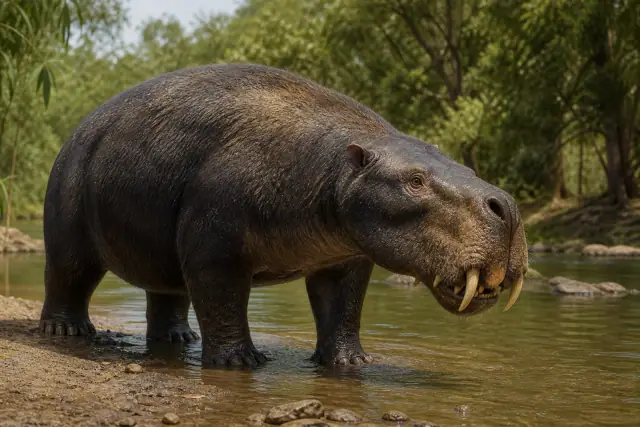
Coryphodon eocaenus
A barrel body, short legs and large canines marked one of the first widespread large mammals.
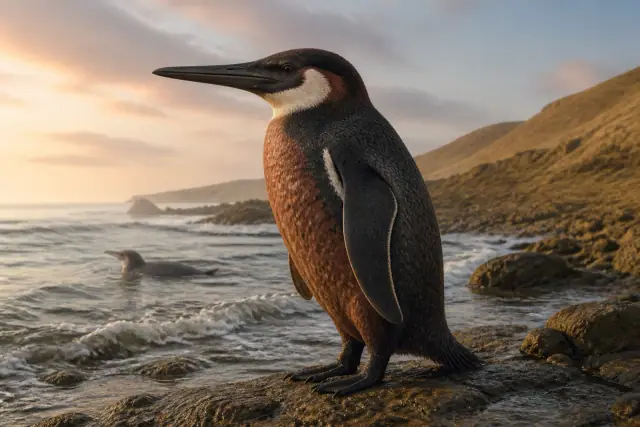
Inkayacu paracasensis
A near-human-height diving bird preserves feathers and melanosomes that opened direct study of ancient penguin color.
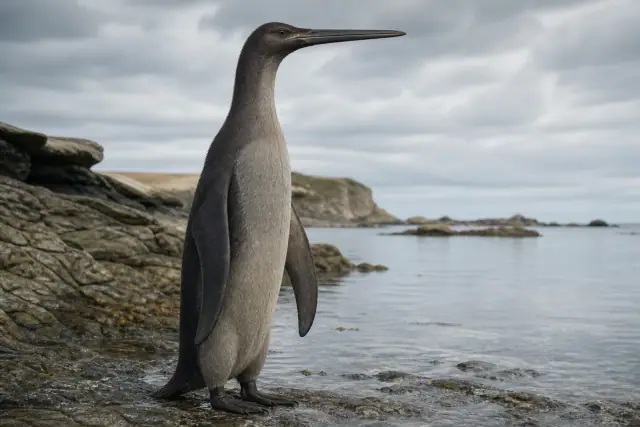
Kairuku grebneffi
A slender trunk, long bill and large flippers produced a taller silhouette than modern penguins.
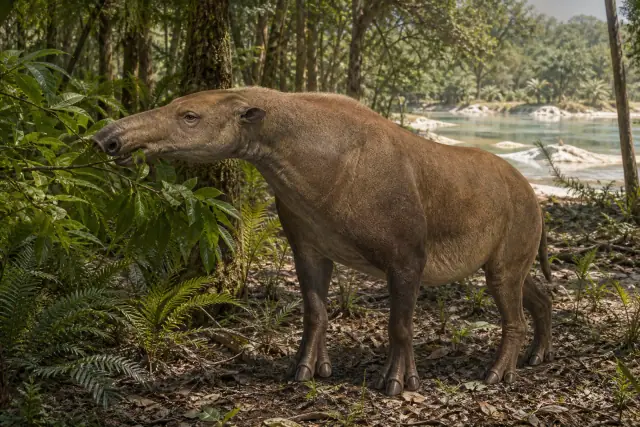
Palaeotherium magnum
A short face, low-crowned teeth and three-toed feet belonged to a European herbivore near horse relatives.