341Cenozoic
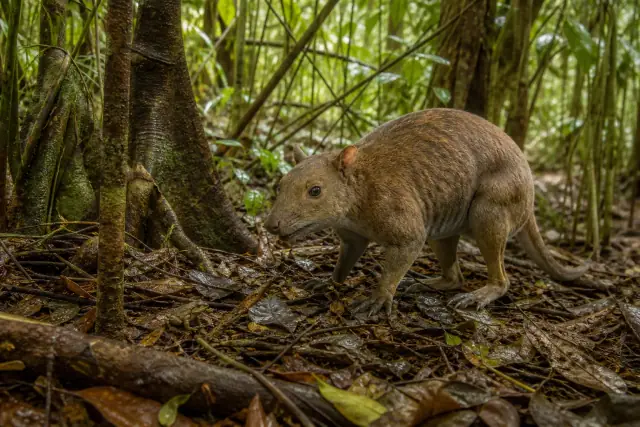
Ekaltadeta
Ekaltadeta ima
Deep jaws and slicing teeth suggest an ancient kangaroo relative that ate meat.
 EXTINCT ATLASEXTINCT LIFE ARCHIVEBack to archive
Period · 23.04–2.58 million years ago
Explore Miocene and Pliocene life, from giant marine predators to grazing mammals and flightless birds.
Ekaltadeta ima
Deep jaws and slicing teeth suggest an ancient kangaroo relative that ate meat.
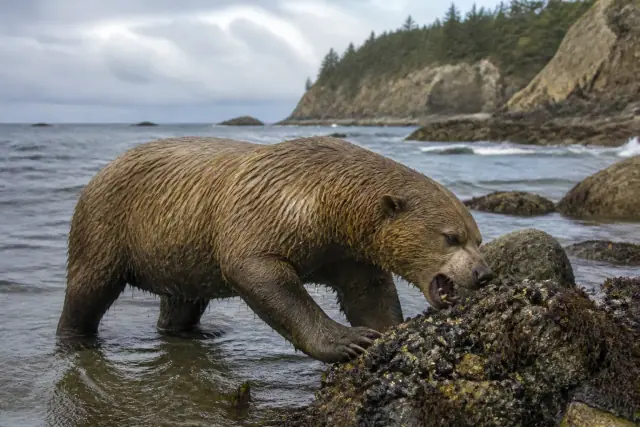
Kolponomos newportensis
A bear-like carnivore used powerful jaws to pry and crush shellfish.
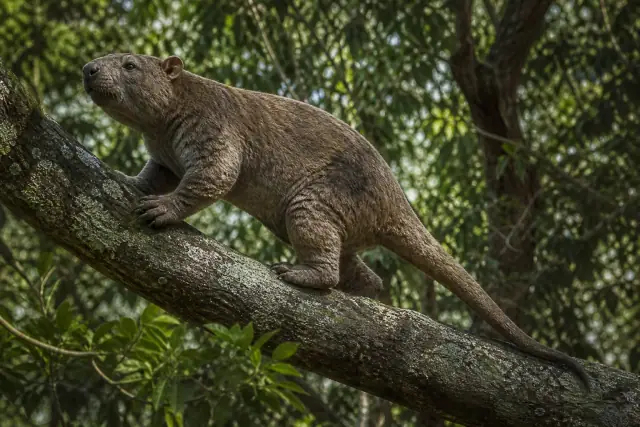
Nimbadon lavarackorum
Grasping feet and flexible shoulders reveal a large climbing marsupial.
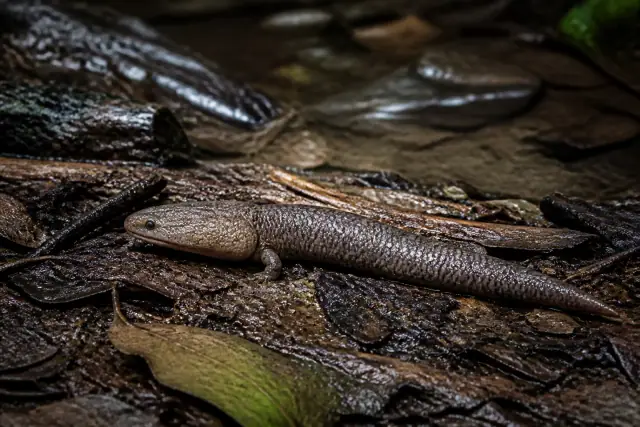
Albanerpeton inexpectatum
Its wedge-shaped skull belonged to an ancient amphibian lineage separate from frogs and salamanders.
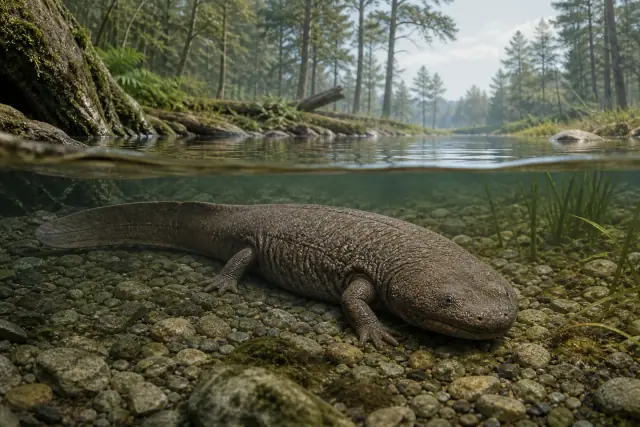
Andrias scheuchzeri
Its skeleton was once mistaken for a human killed in the biblical flood.

Coprinites dominicana
Its pleated bell cap may have deliquesced like a modern inkcap.

Aureofungus yaniguaensis
A golden-brown cap retained three-dimensional gills in amber.

Protomycena electra
Radial striations remained visible across a minute translucent cap.
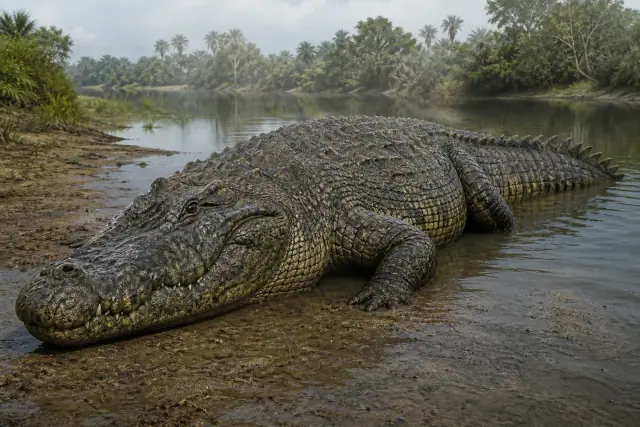
Purussaurus brasiliensis
A skull over a meter long belonged to a dominant Miocene caiman.
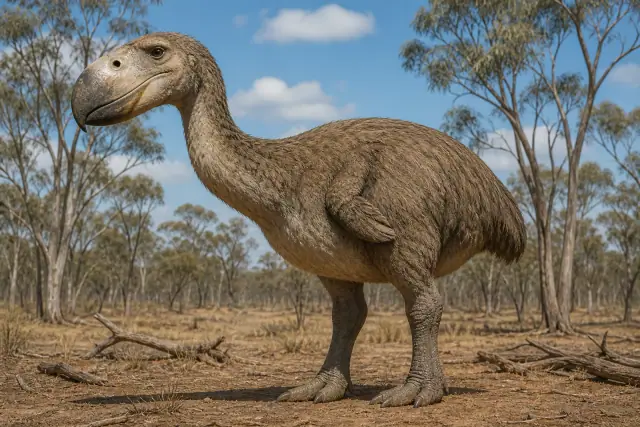
Dromornis stirtoni
Three meters tall with a massive beak, it was among the heaviest birds.
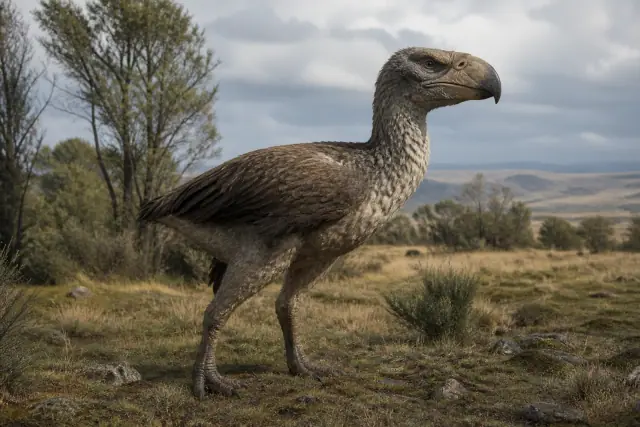
Kelenken guillermoi
A seventy-centimeter skull and hooked beak armed one of the largest terror birds.
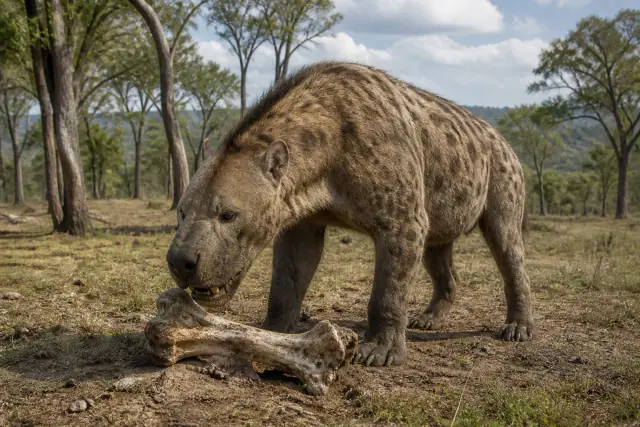
Dinocrocuta gigantea
Massive jaws and rounded carnassials crushed bone, though it was not a modern hyena.
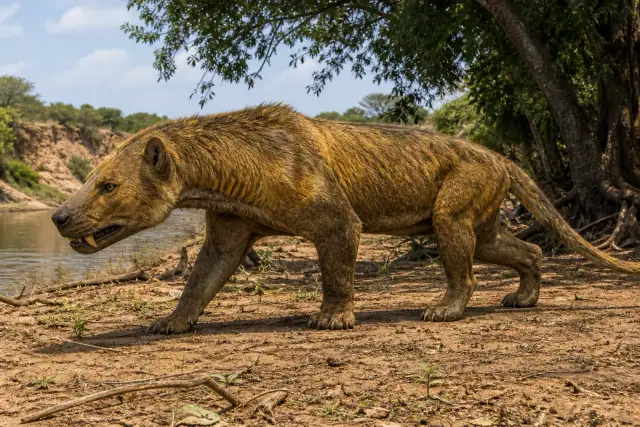
Simbakubwa kutokaafrika
Huge cutting teeth came from a hyaenodont predator heavier than a modern lion.
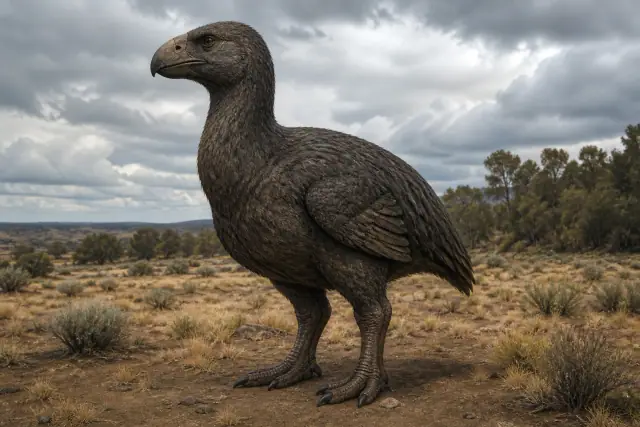
Brontornis burmeisteri
Brontornis burmeisteri was a giant flightless bird with exceptionally robust hind limbs.
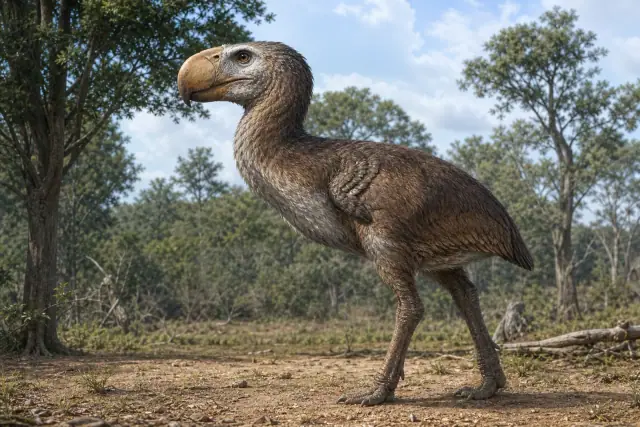
Paraphysornis brasiliensis
A deep beak and massive legs made a heavyweight South American terror bird.
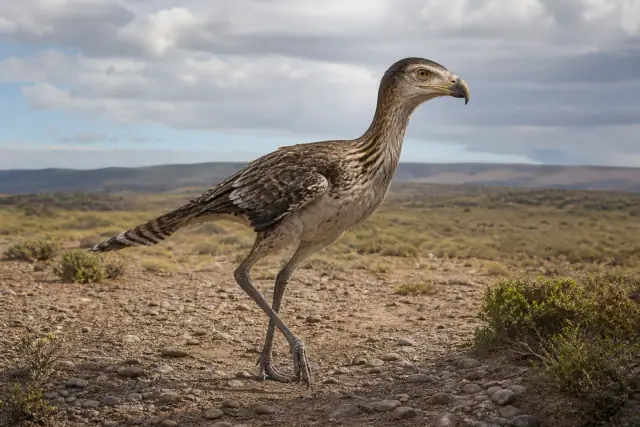
Psilopterus bachmanni
A lighter terror bird had long toes suited to rapid pursuit.
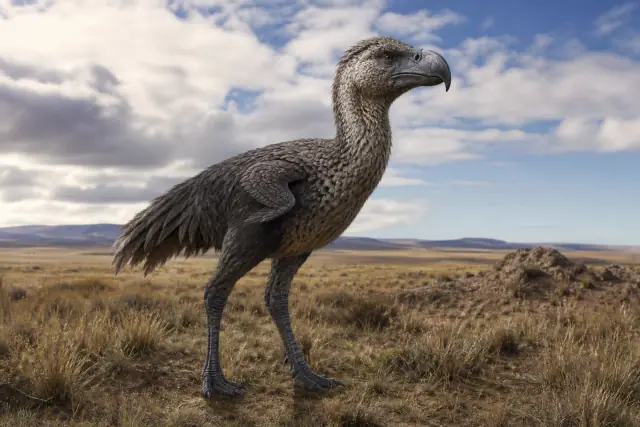
Llallawavis scagliai
Its complete inner ear reveals sensitivity to relatively low-frequency sound.
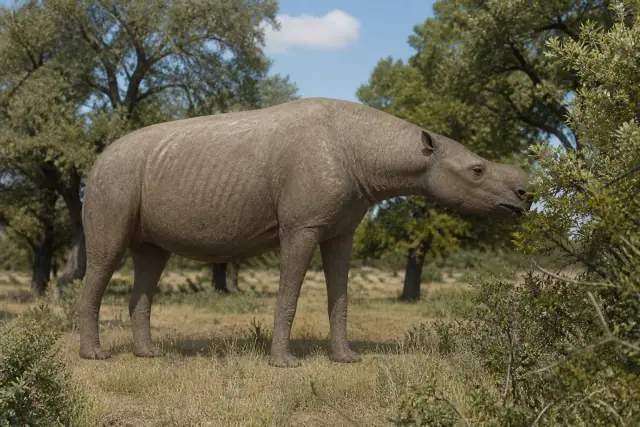
Aphelops mutilus
A hornless, long-limbed rhinoceros was built for travel across open woodland.
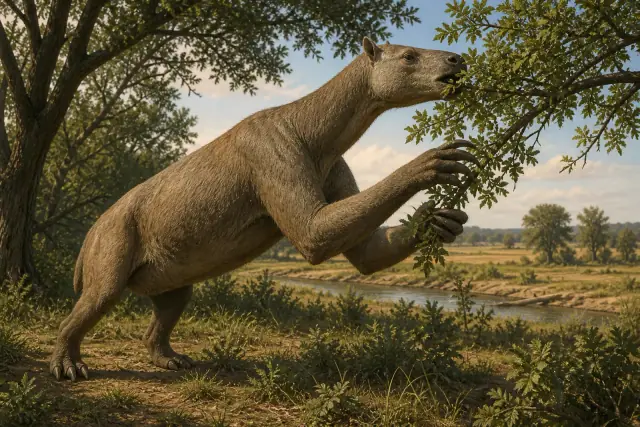
Moropus elatus
A horse-like head and enormous curved claws belonged to a herbivorous perissodactyl walking on its knuckles.