133Recently extinct
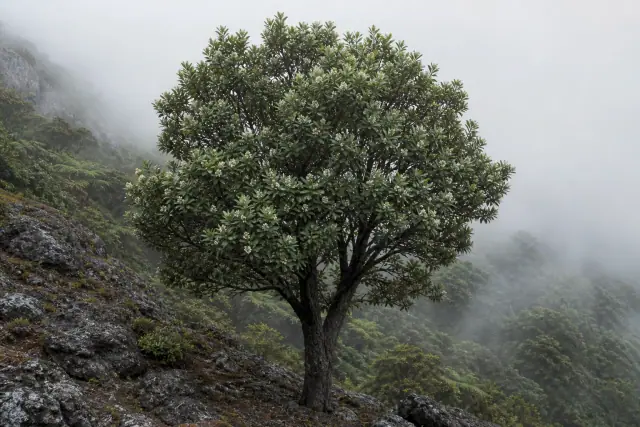
Saint Helena Olive
Nesiota elliptica
It was not a true olive; the last wild tree died in 1994 and its last cultivated descendant in 2003.
 EXTINCT ATLASEXTINCT LIFE ARCHIVEBack to archive
Epoch · Quaternary · 11,700 years ago–present
Follow lost island animals, surviving Ice Age lineages and historically documented extinctions from the Holocene to today.
Nesiota elliptica
It was not a true olive; the last wild tree died in 1994 and its last cultivated descendant in 2003.
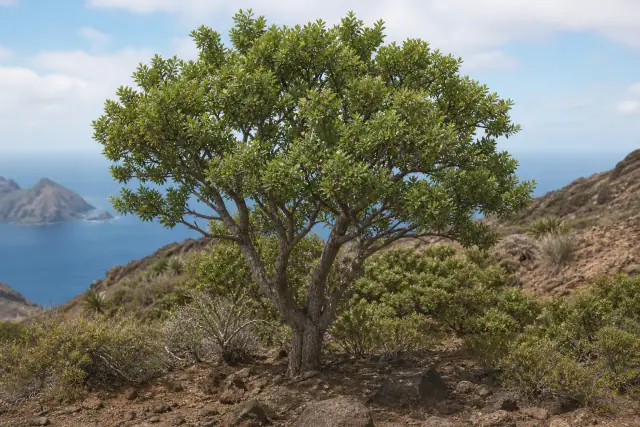
Santalum fernandezianum
Demand for fragrant wood reduced this island tree to a final individual recorded in 1908.
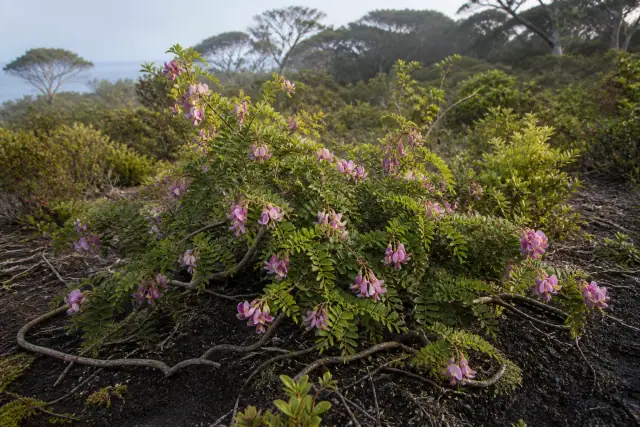
Streblorrhiza speciosa
Pink-purple pea flowers once carried this monotypic island plant into European glasshouses.
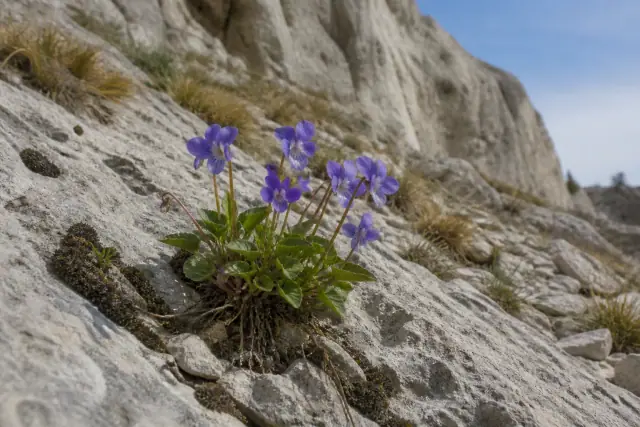
Viola cryana
This violet occupied one small patch of pale limestone before quarrying removed its habitat.
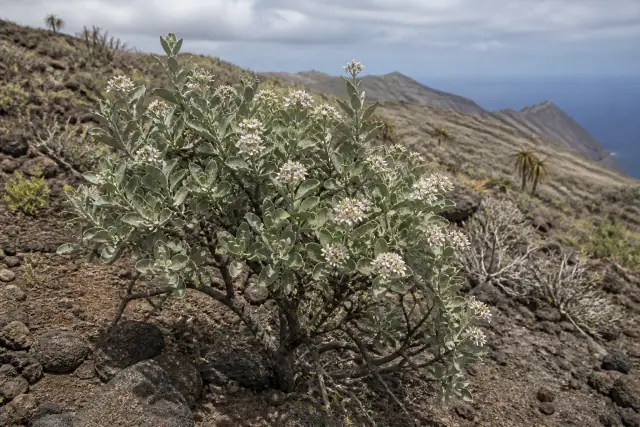
Trochetiopsis melanoxylon
Silvery hairy leaves and small pale flowers once covered dry slopes; the last reliable collection was made in 1771.
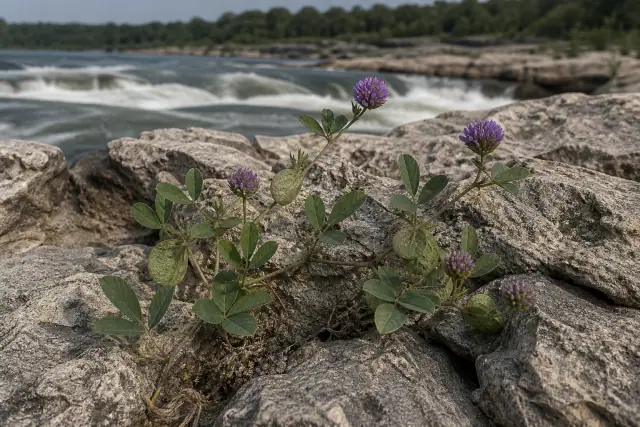
Orbexilum stipulatum
Purple pea flowers grew on one limestone river island, with the final herbarium collection made in 1881.
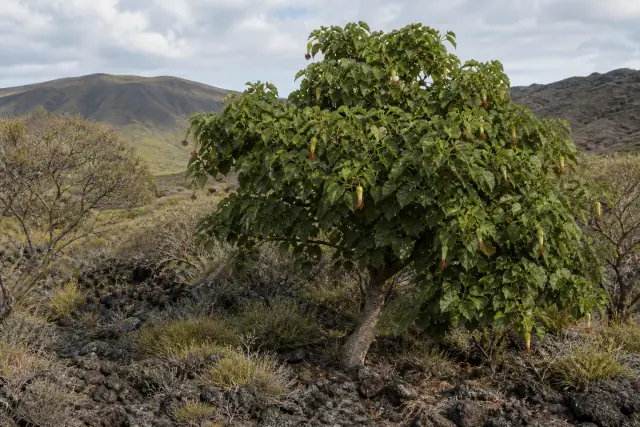
Hibiscadelphus wilderianus
The only scientifically recorded tree bore curved yellow-green tubular flowers probably adapted to Hawaiian honeycreepers.
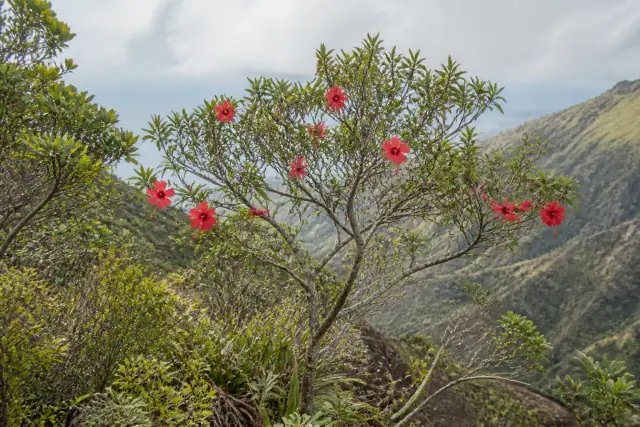
Kokia lanceolata
Narrow leaves and hibiscus-like red flowers were confined to southeastern Oʻahu and vanished within decades of discovery.
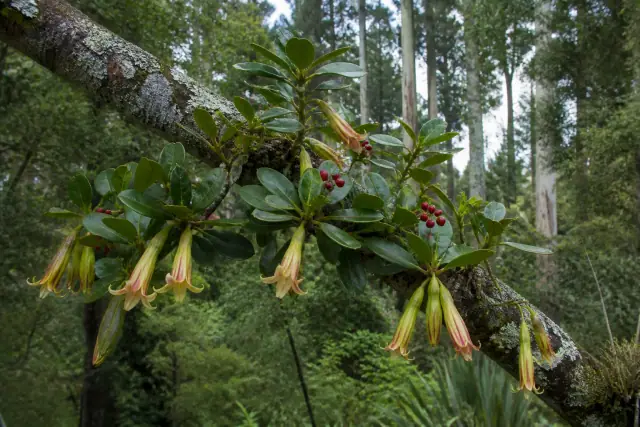
Trilepidea adamsii
Red-striped yellow-green tubular flowers opened among fleshy paired leaves; the last reliable sighting was in 1954.
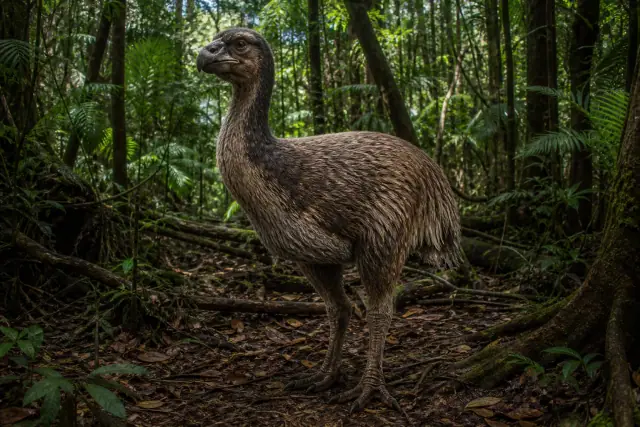
Sylviornis neocaledoniae
This tall flightless island bird was closer to megapodes than its heavy build suggested.
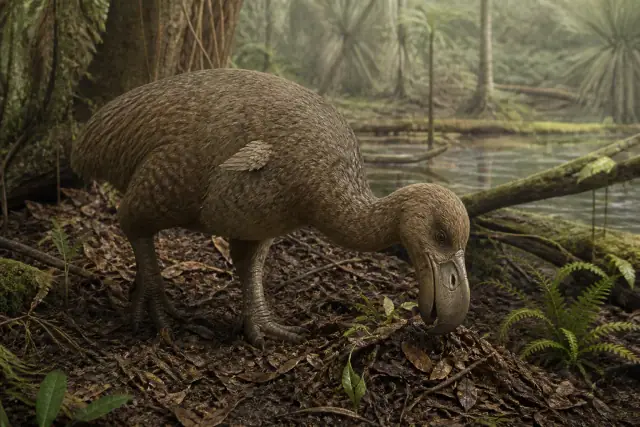
Aptornis otidiformis
Powerful legs and a heavy bill belonged to a flightless ground forager.
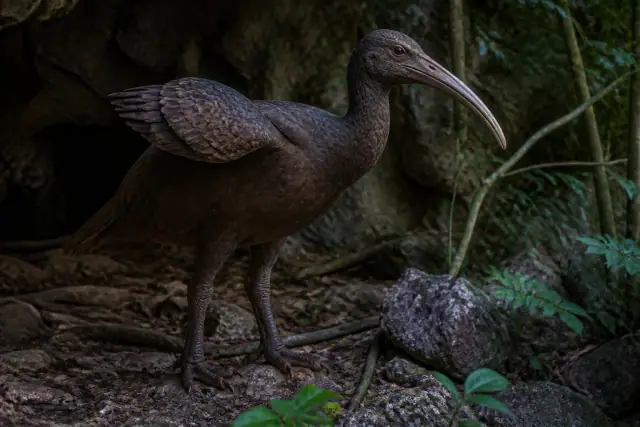
Xenicibis xympithecus
A flightless ibis turned thickened wrist bones into club-like weapons.
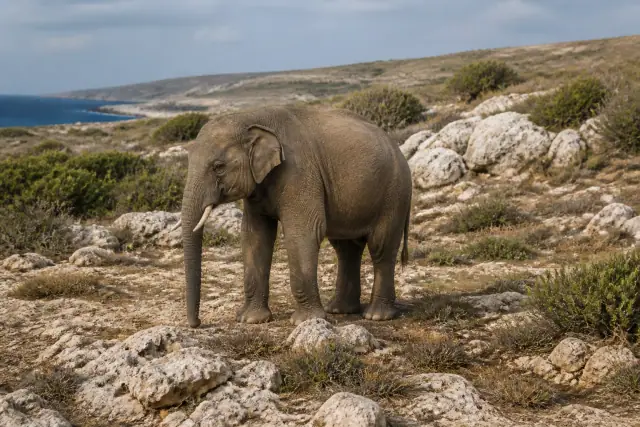
Palaeoloxodon cypriotes
Island scarcity shrank a giant-elephant lineage to about one meter at the shoulder.
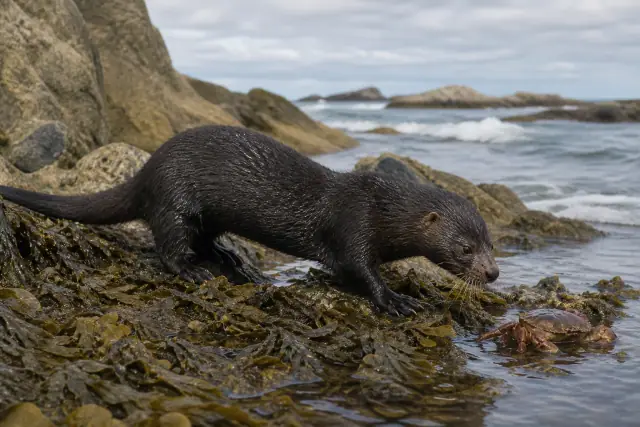
Neogale macrodon
It was hunted out for fur before scientists could describe a living animal.
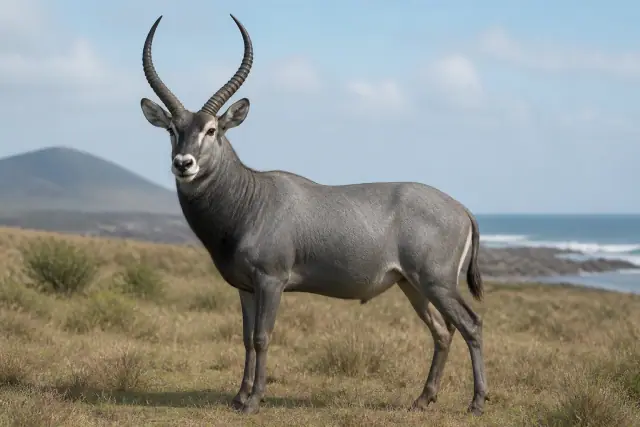
Hippotragus leucophaeus
Its blue cast likely came from gray hair over dark skin rather than bright fur.
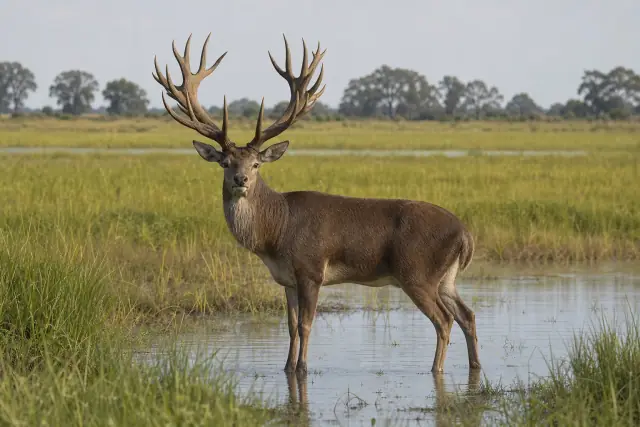
Rucervus schomburgki
Broad multi-tined antlers formed a crown above floodplain grasslands.
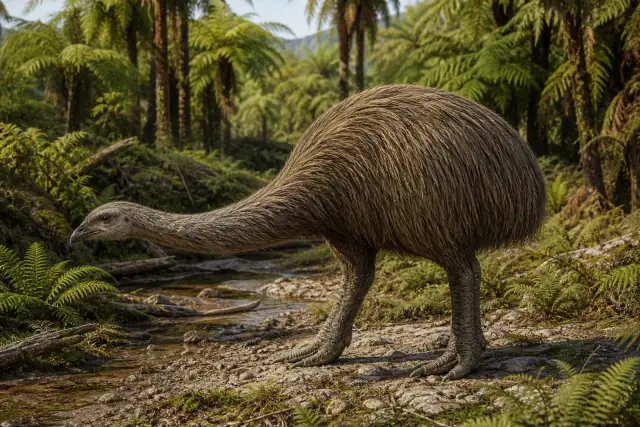
Emeus crassus
Emeus crassus was a medium-sized, flightless moa with a bulky body and short, robust legs.
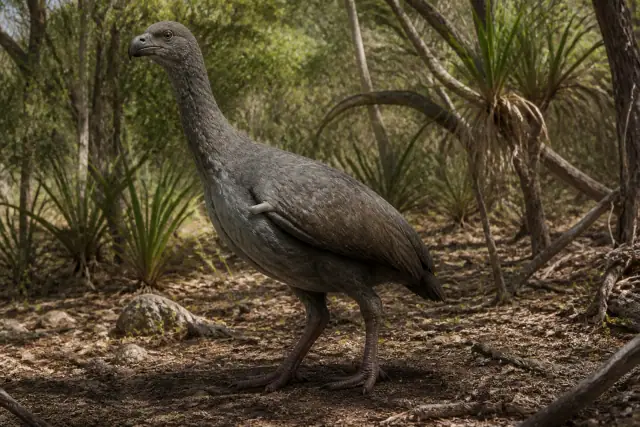
Pezophaps solitaria
This giant flightless pigeon fought with bony wing knobs and was the dodo's closest relative.
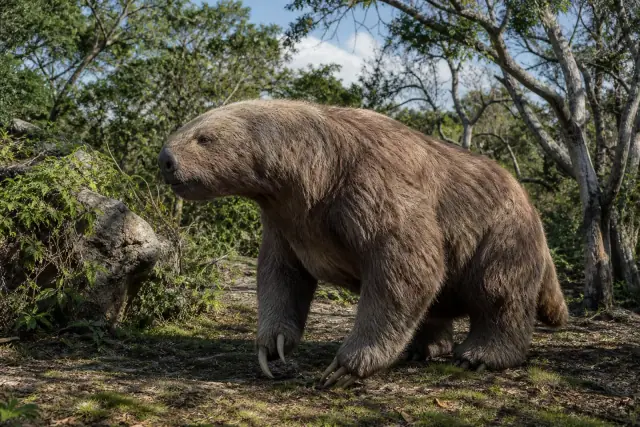
Megalocnus rodens
Megalocnus rodens was a large Cuban ground sloth that survived into the Holocene.