Lives & losses
10 Extinct Animals Humans Actually Saw
Historical accounts, museum specimens and captive records connect these animals to people who knew them alive. Explore losses that belong to human history, not only to the fossil record.
Explore the animals 10 ↘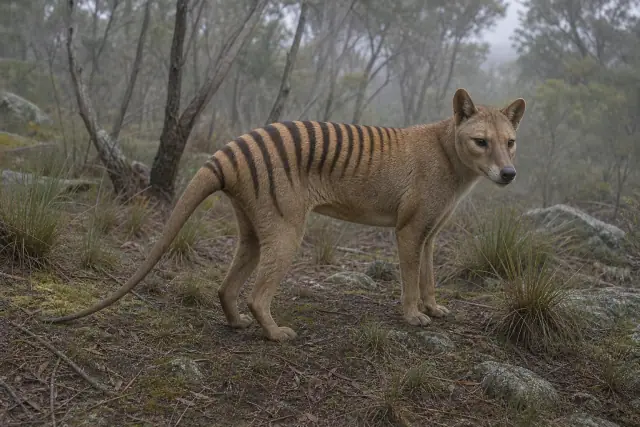
How this list was selected
Selected animals with historical human observations, specimens or captive documentation. This is a history-led selection, not a claim that only these animals overlapped with humans. Quagga is an extinct subspecies of plains zebra. Follow each entity’s historical sources; an illustration is not eyewitness evidence.
In this guide 10
Explore the animals
10 atlas records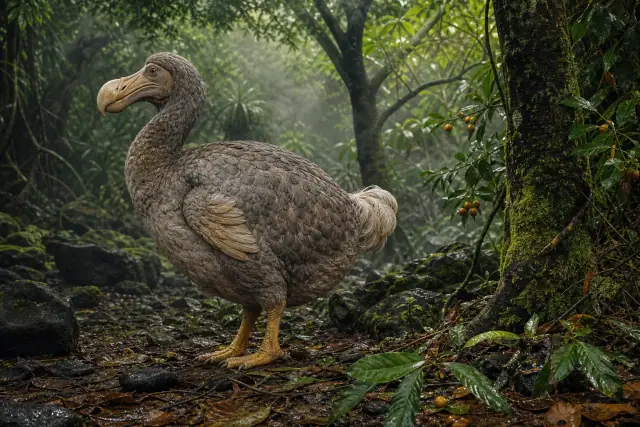
Historical records: 1598–1662; extinct in the 17th century
Dodo
Raphus cucullatus
A flightless Mauritian pigeon, about 70 cm tall and typically estimated at 10–14 kg. Compare its size, surviving evidence and extinction history.
Mauritius
About 4 million years ago–1936
Thylacine
Thylacinus cynocephalus
Australia’s striped marsupial predator survived longest in Tasmania.
Mainland Australia · Tasmania
Prehistory–1914
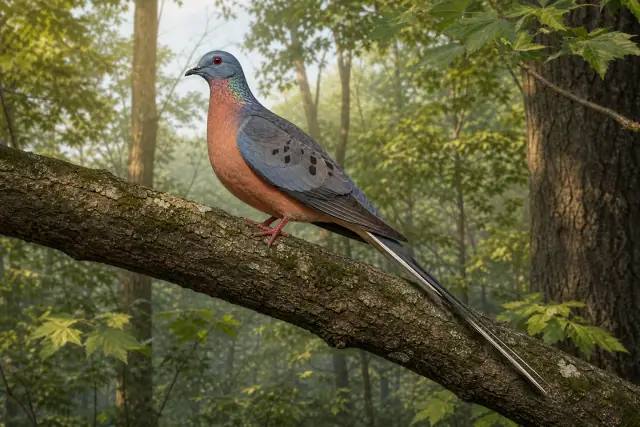
Passenger Pigeon
Ectopistes migratorius
Flocks once darkened the sky, yet abundance could not protect a species dependent on immense colonies.
Eastern North America
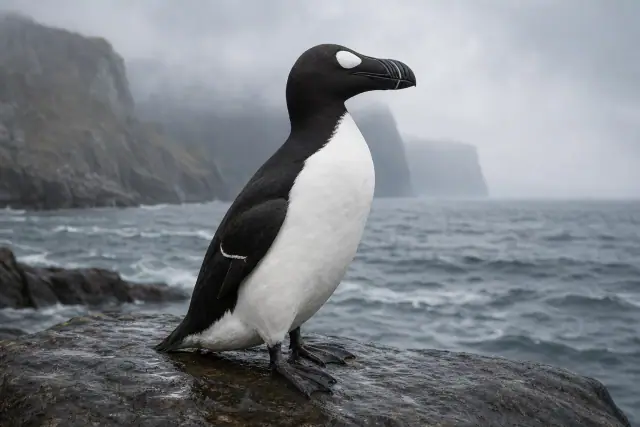
About 5 million years ago–1844
Great Auk
Pinguinus impennis
This flightless North Atlantic seabird used its wings as powerful underwater paddles.
Rocky islands of the North Atlantic
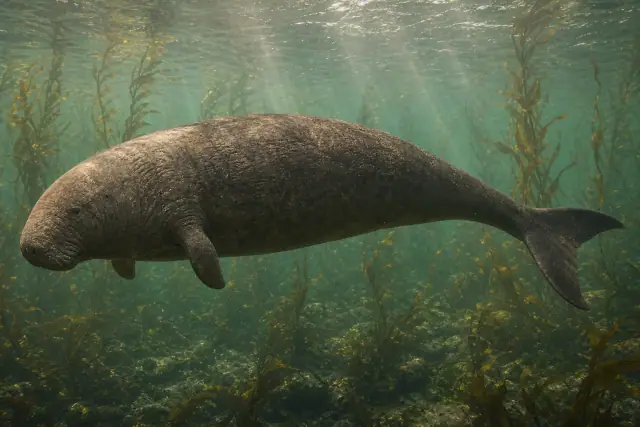
About 8 million years ago–1768
Steller’s Sea Cow
Hydrodamalis gigas
This enormous, slow sirenian grazed kelp in cold shallow water.
Commander Islands, Bering Sea
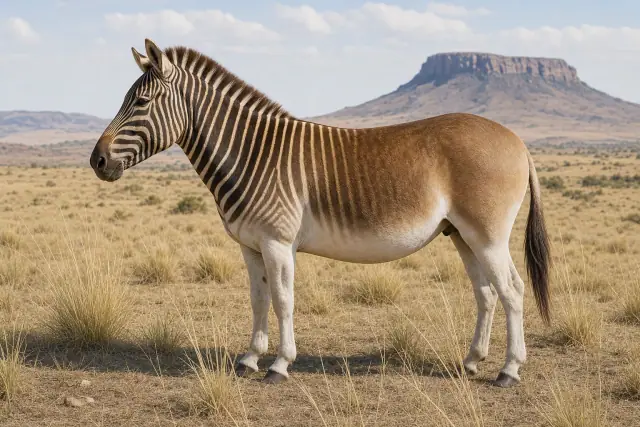
Late Pleistocene–1883
Quagga
Equus quagga quagga
This plains zebra had bold stripes in front fading into a plain brown rear body.
South African grasslands
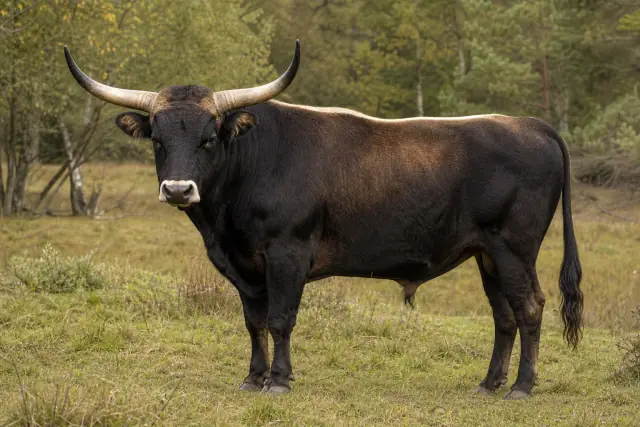
About 700,000 years ago–1627
Aurochs
Bos primigenius
The powerful wild ancestor of domestic cattle once ranged across three continents.
Europe · Asia · North Africa
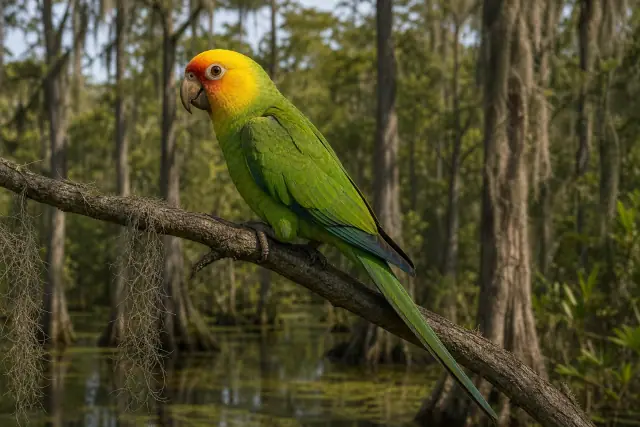
Late Pleistocene–1918
Carolina Parakeet
Conuropsis carolinensis
Bright green flocks once made this the only parrot native to the eastern United States.
Eastern and central United States
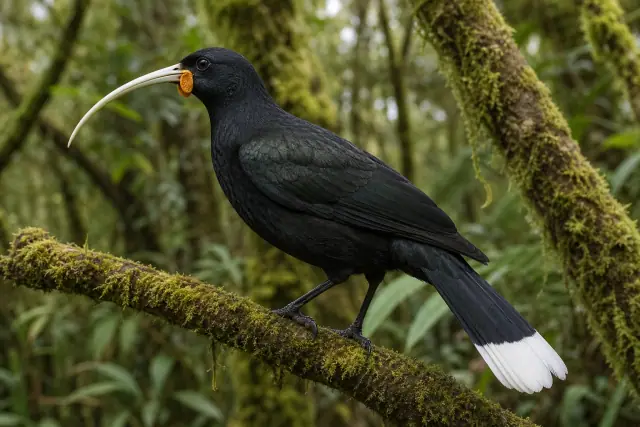
Prehistory–early 20th century
Huia
Heteralocha acutirostris
Males and females had dramatically different bills but foraged as a pair.
North Island, New Zealand
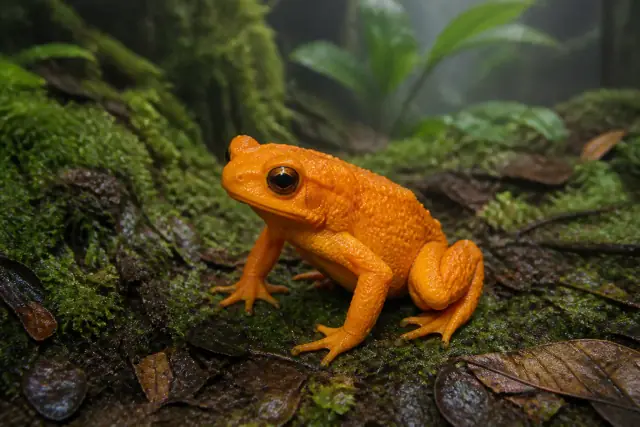
Prehistory–1989
Golden Toad
Incilius periglenes
Brilliant orange males gathered briefly each rainy season within a tiny highland range.
Monteverde cloud forest, Costa Rica