434Mesozoic
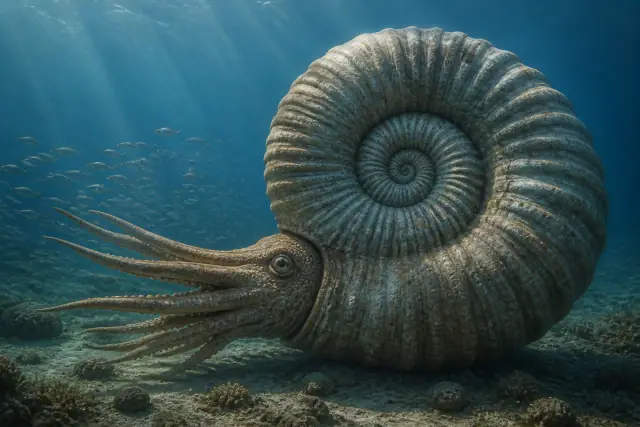
Parapuzosia
Parapuzosia seppenradensis
A coiled shell nearly two meters wide belonged to the largest known ammonite.
 EXTINCT ATLASEXTINCT LIFE ARCHIVEBack to archive
Period · 143.1–66 million years ago
Browse Cretaceous dinosaurs, marine reptiles, birds, insects and flowering plants before the extinction 66 million years ago.
Parapuzosia seppenradensis
A coiled shell nearly two meters wide belonged to the largest known ammonite.
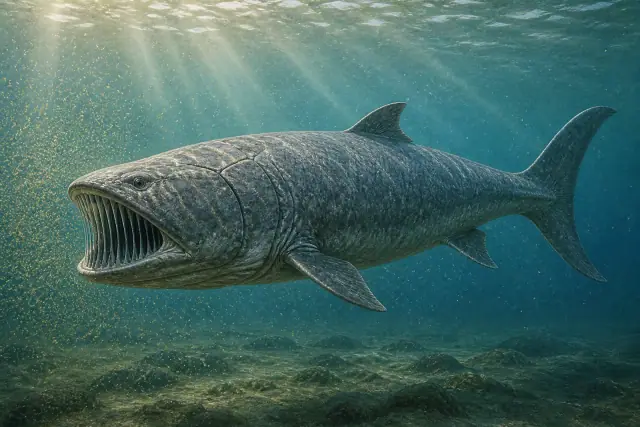
Bonnerichthys gladius
A giant bony fish filtered plankton near the ocean surface.
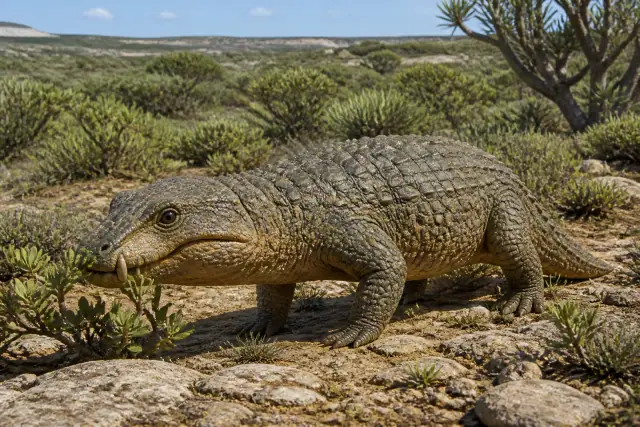
Simosuchus clarki
A short square snout, leaf-shaped teeth and armor belonged to a likely plant-eating crocodyliform.
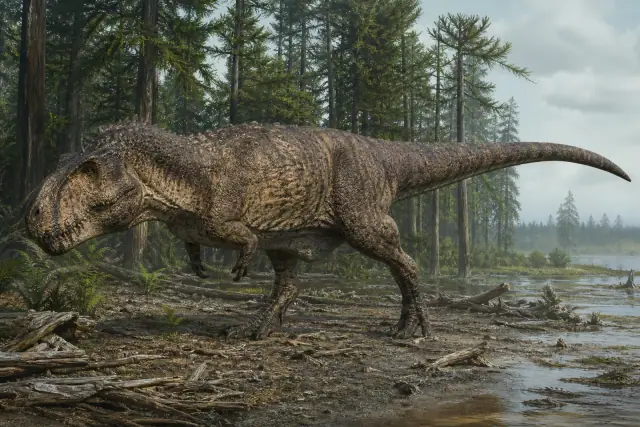
Thanatotheristes degrootorum
A deep snout with facial ridges marked an early northern tyrannosaurid.
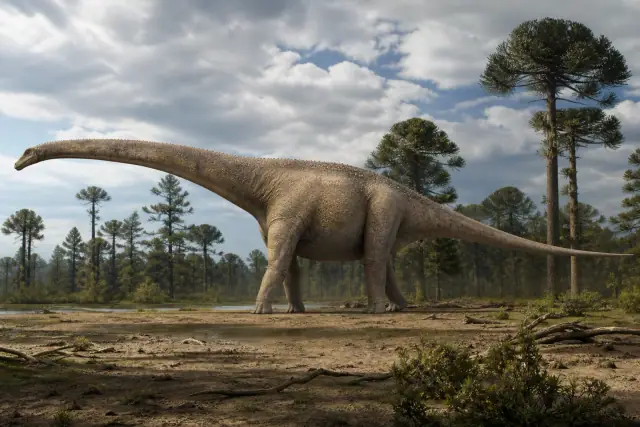
Dreadnoughtus schrani
A relatively complete skeleton makes this giant titanosaur unusually measurable.
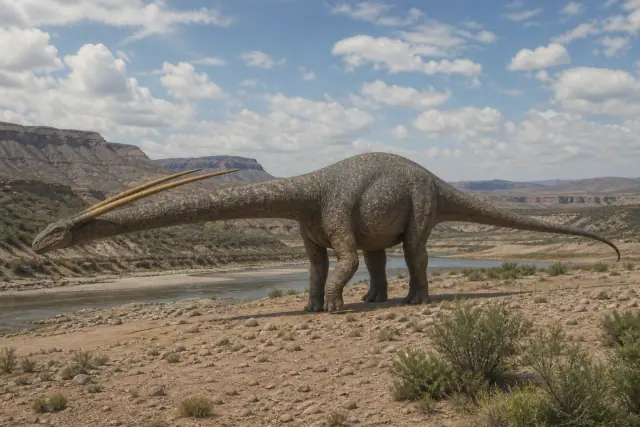
Bajadasaurus pronuspinax
Paired neck-vertebra spines curve forward; a described pair measures 58 cm.
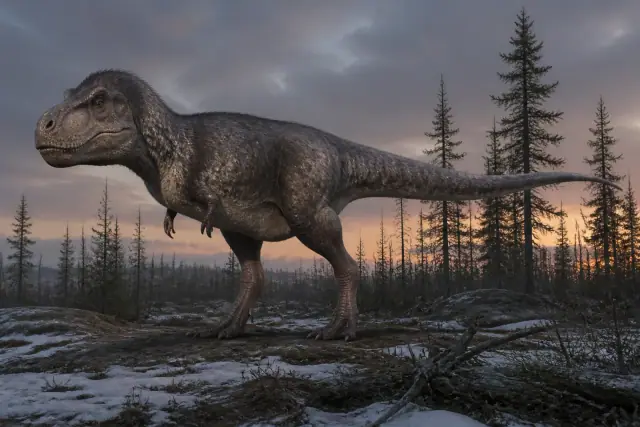
Nanuqsaurus hoglundi
It hunted through polar night, though its supposedly dwarf size remains uncertain.
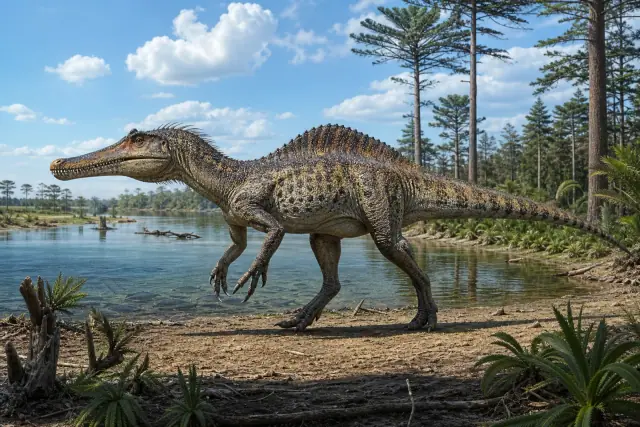
Irritator challengeri
A long snout, conical teeth and low crest belonged to a spinosaurid that frequently ate fish.
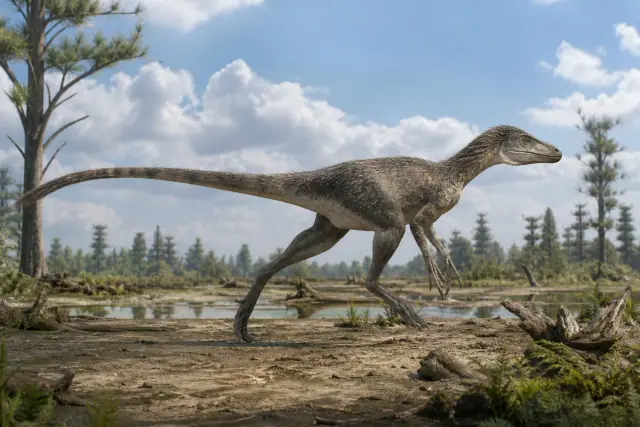
Eotyrannus lengi
Long three-fingered arms and a light body preceded the giant two-fingered tyrannosaurs.
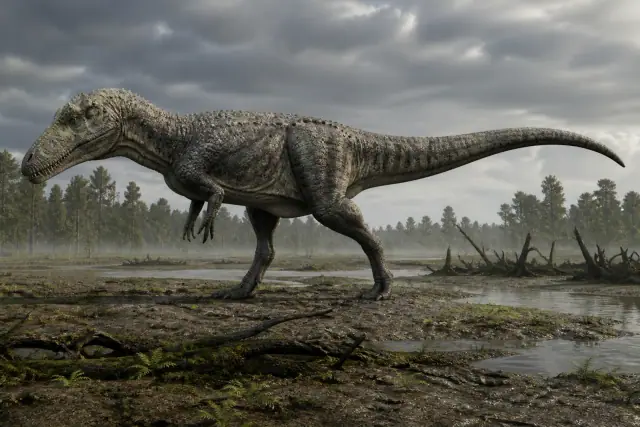
Mapusaurus roseae
This giant carcharodontosaurid shared plains with enormous sauropods and is known from a multi-individual bone bed.
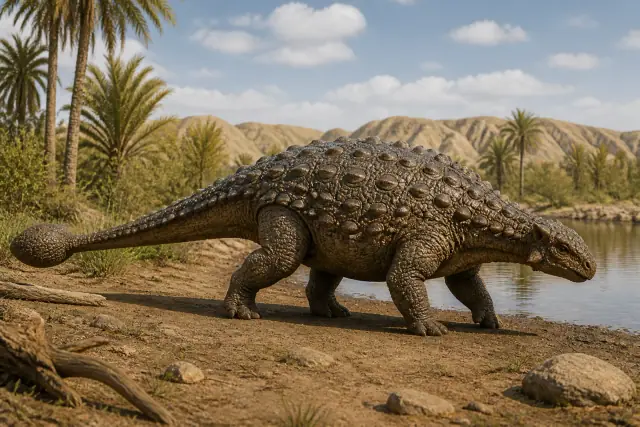
Tarchia kielanae
Heavy skull armor, neck rings and a tail club belonged to a large Gobi ankylosaur.
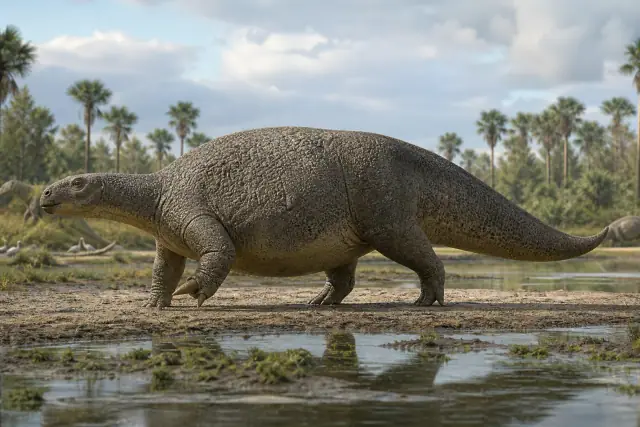
Lurdusaurus arenatus
Short legs, a broad trunk and giant thumb spike made an unusually low heavy iguanodontian.
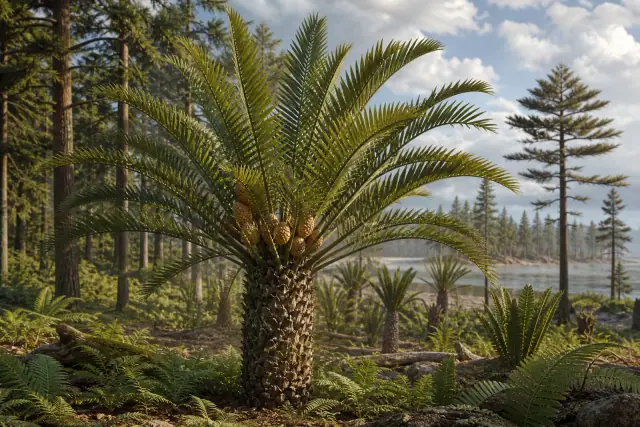
Bennettites
Tough pinnate leaves crowned cycad-like trunks around compact flower-like reproductive organs.
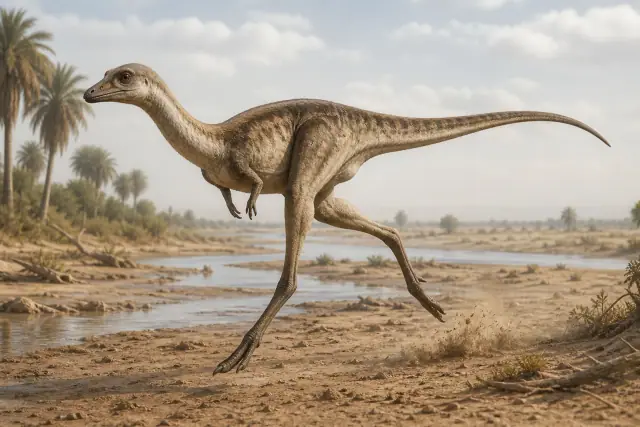
Deltadromeus agilis
Long hind limbs and a lightly built skeleton indicate a large, fast-moving theropod.