330Mesozoic
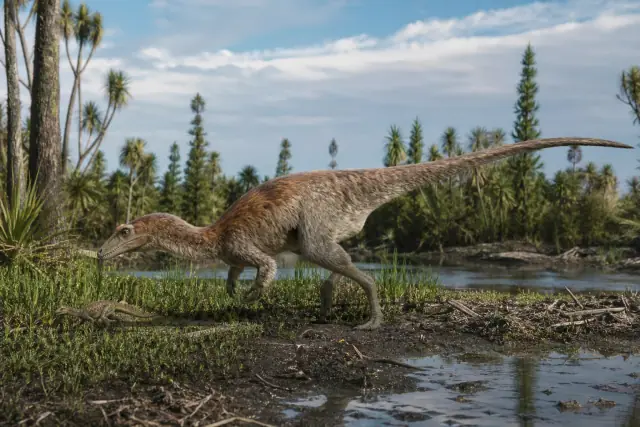
Masiakasaurus
Masiakasaurus knopfleri
Forward-projecting front teeth may have hooked small slippery prey.
 EXTINCT ATLASEXTINCT LIFE ARCHIVEBack to archive
Period · 143.1–66 million years ago
Browse Cretaceous dinosaurs, marine reptiles, birds, insects and flowering plants before the extinction 66 million years ago.
Masiakasaurus knopfleri
Forward-projecting front teeth may have hooked small slippery prey.
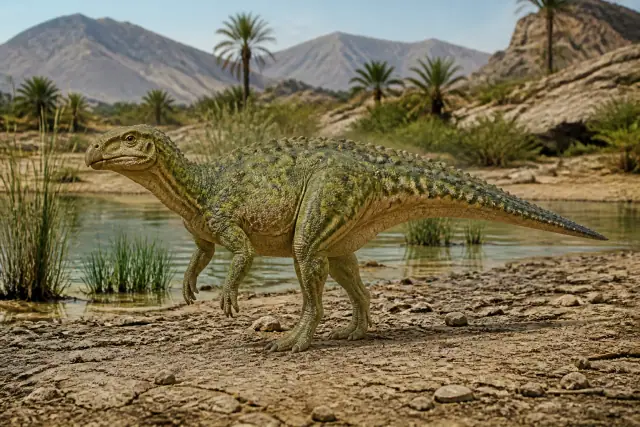
Jakapil kaniukura
A small plant eater combined low armor with an unusually deep jaw.
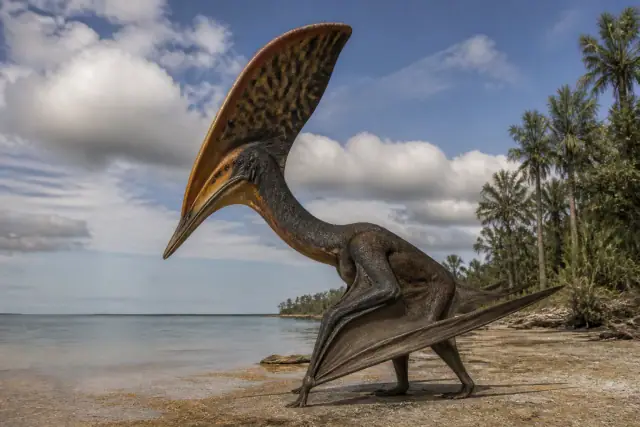
Tupandactylus imperator
Most of its enormous head crest was soft tissue used as a visual signal.
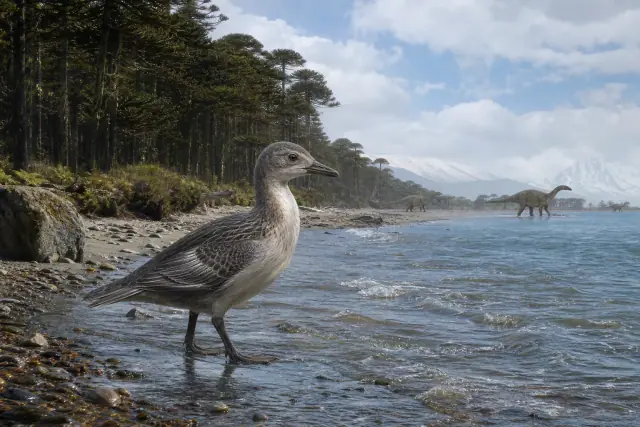
Vegavis iaai
A waterbird close to ducks lived before the non-avian dinosaurs vanished.
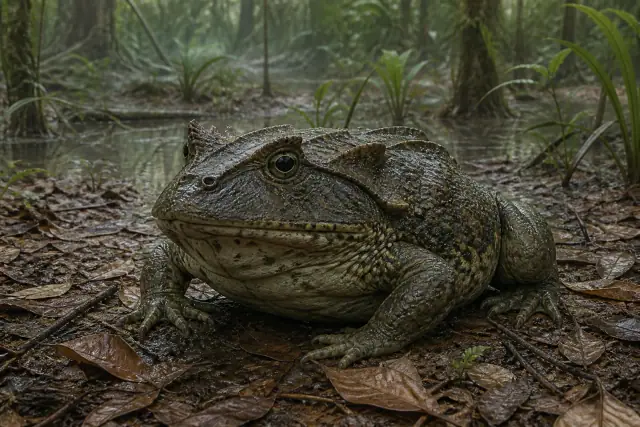
Beelzebufo ampinga
A broad skull and massive body made it one of the largest known frogs.
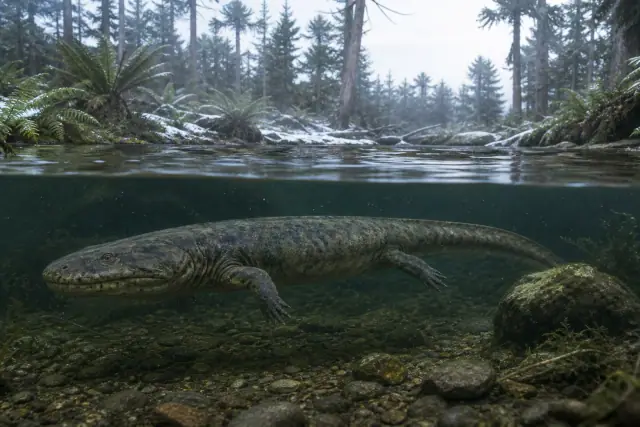
Koolasuchus cleelandi
A giant amphibian still occupied cold rivers where crocodyliforms were uncommon.
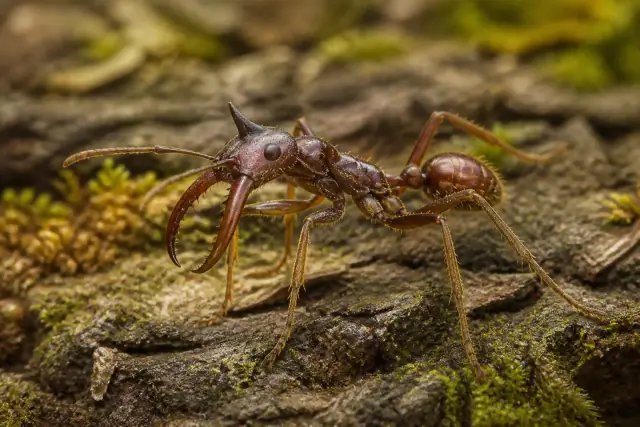
Haidomyrmex cerberus
Its sickle mandibles closed upward against the head instead of sideways.
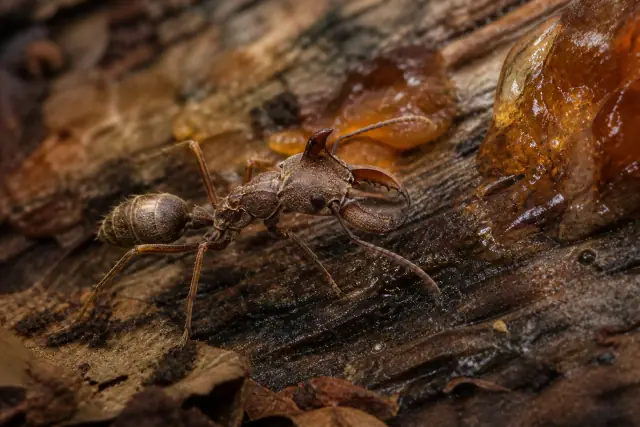
Linguamyrmex vladi
A metal-reinforced head horn and rising jaws formed a specialized clamp.
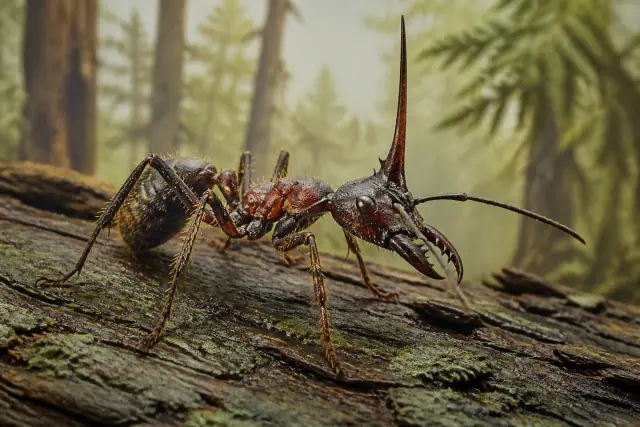
Ceratomyrmex ellenbergeri
A long forehead horn opposed upward-curving mandibles.
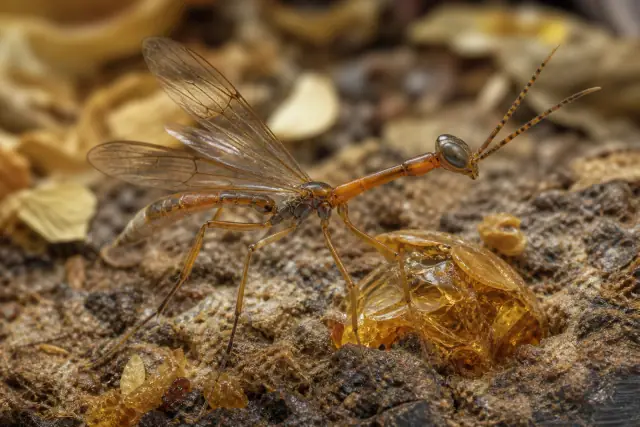
Camelomecia janovitzi
An elongated prothorax gave this aculeate relative a neck-like outline.
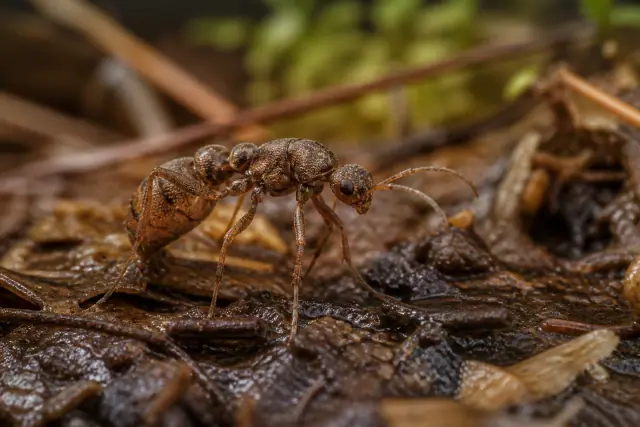
Aptenoperissus burmanicus
Wingless females combined a wasp waist with enlarged jumping hind legs.
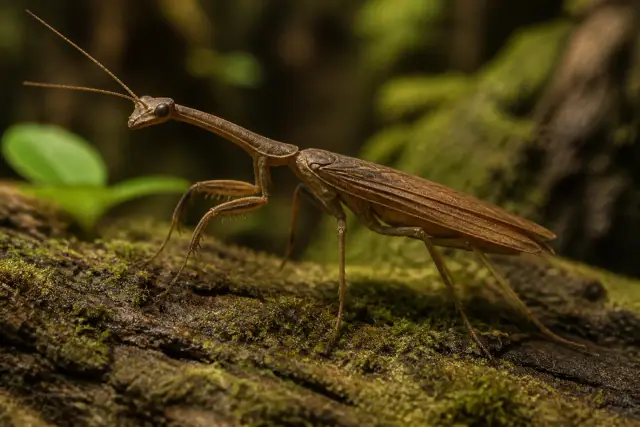
Manipulator modificaputis
A long neck and grasping forelegs converged on the mantis body plan.
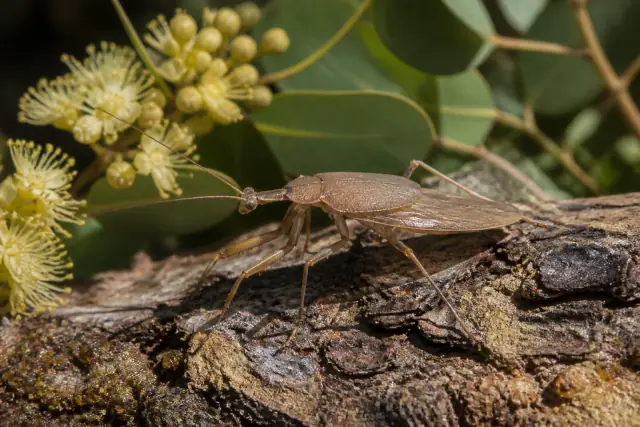
Alienopterus brachyelytrus
Short leathery forewings covered folded membranous hindwings.
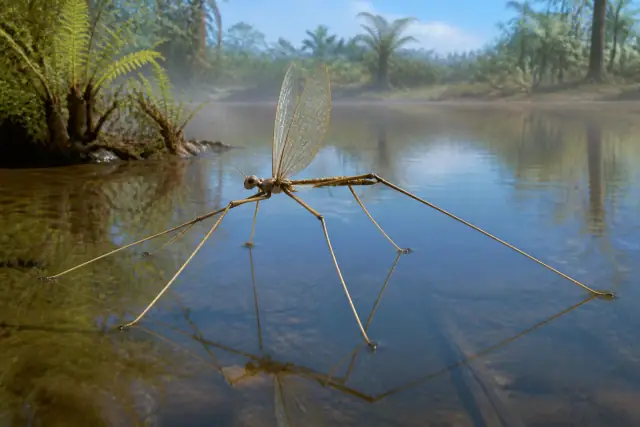
Chresmoda obscura
Six extremely long legs may have spread its weight across the water surface.
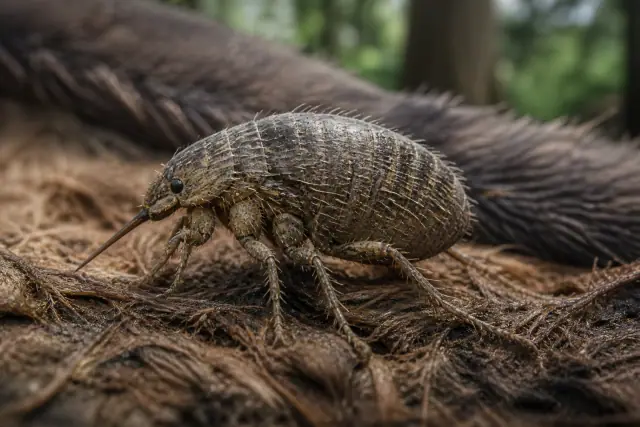
Tarwinia australis
It resembled a giant primitive flea but may not be a direct flea ancestor.
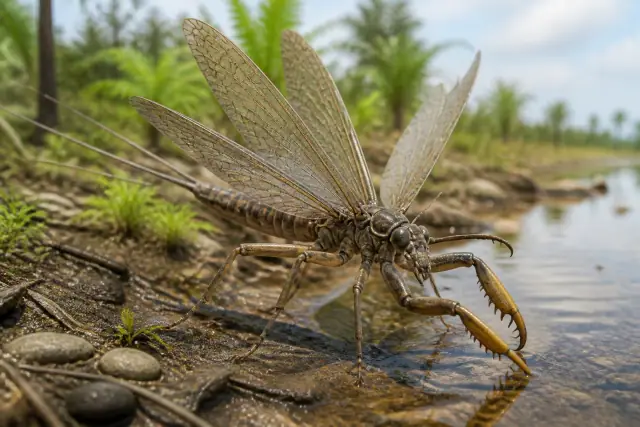
Mickoleitia longimanus
Raptorial forelegs and three tail filaments formed a lost mayfly body plan.
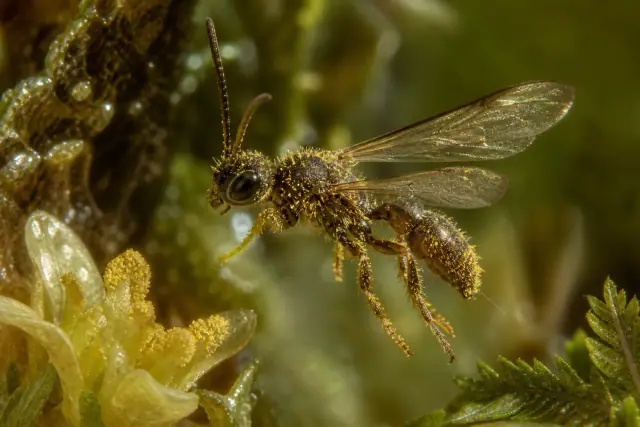
Discoscapa apicula
Pollen on the legs and body records an early pollination relationship.
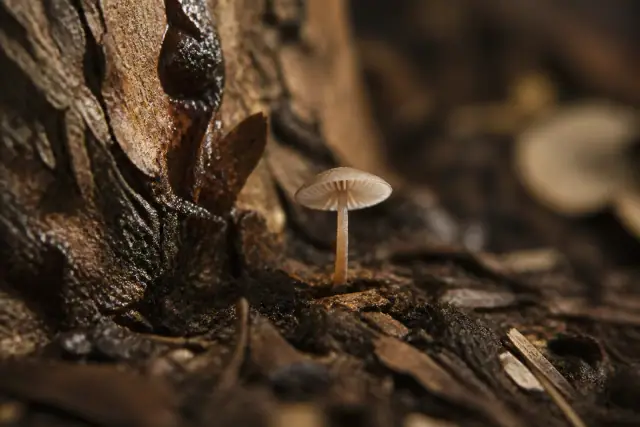
Palaeoagaracites antiquus
A millimeter-scale cap and gills show agaric mushrooms in the dinosaur era.
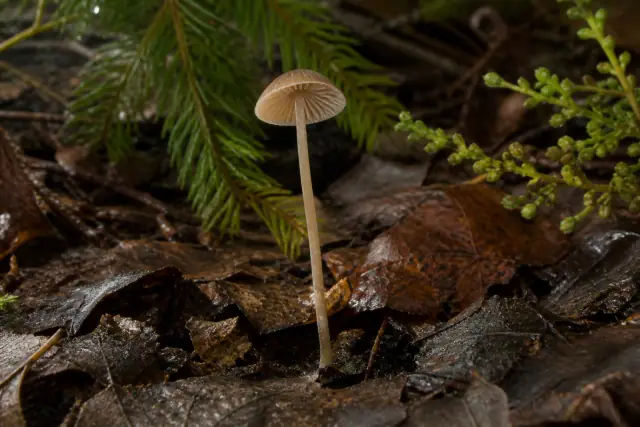
Archaeomarasmius leggettii
A slender stem and tiny cap already resembled marasmioid mushrooms.
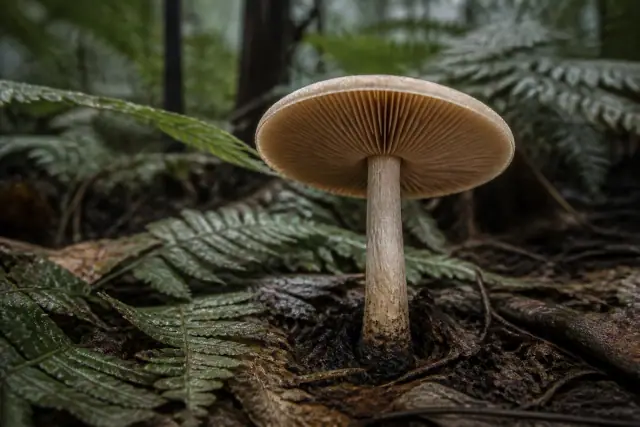
Gondwanagaricites magnificus
A mineralized cap brings early agaric evidence to the southern continents.
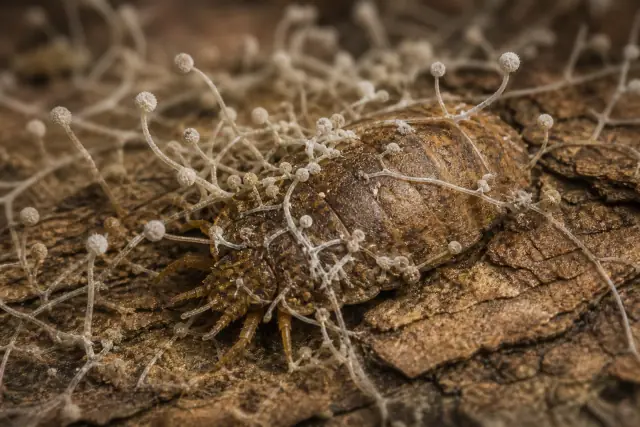
Gerontomyces lepidotus
Hyphae surrounding a scale insect preserve a tiny Cretaceous association.
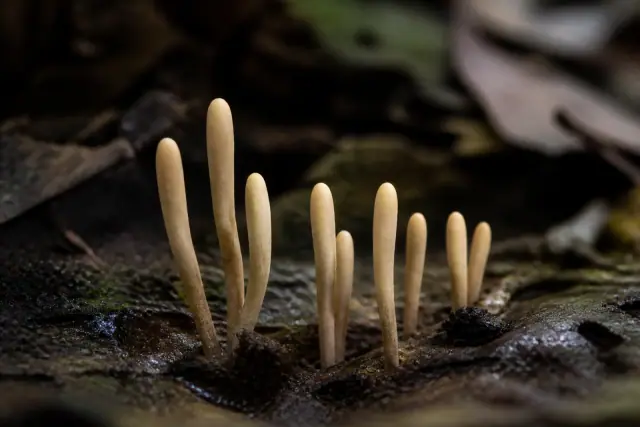
Palaeoclavaria burmitis
Simple club-shaped fruiting bodies show non-gilled fungi in Cretaceous forests.
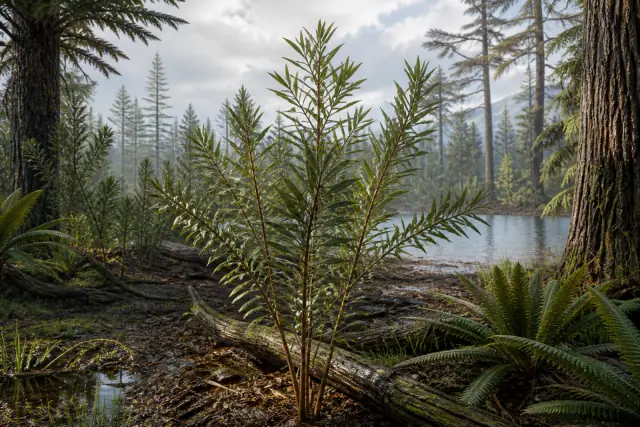
Podozamites lanceolatus
Orderly lance-shaped leaves lined stems of a widespread but enigmatic plant.
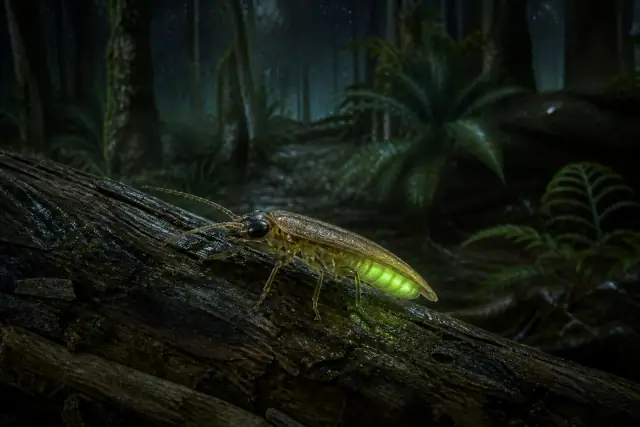
Cretophengodes azari
An abdominal light organ pushes beetle bioluminescence into the dinosaur age.